Sorting through the mixed messages on cyclosporiasis

If your time is short
- Thousands of cases of the nasty gastrointestinal illness cyclosporiasis have been reported in 41 states, breaking U.S. records.
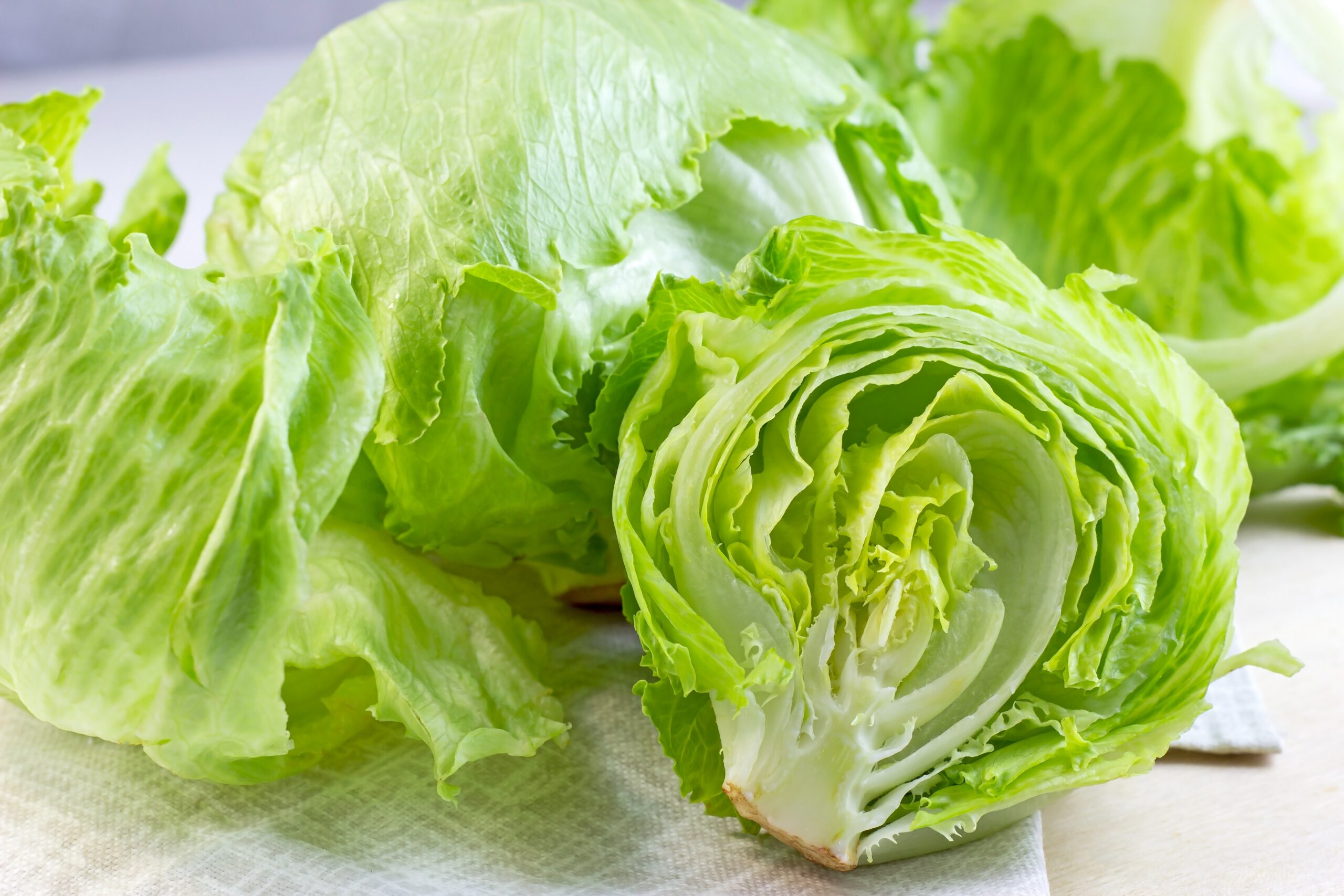
- Public health officials say shredded iceberg lettuce from the supplier Taylor Farms de Mexico is linked to cyclosporiasis cases in nine states, but other foods could be contributing to different states’ case clusters.
- Don’t eat any products recalled in connection with a cyclosporiasis outbreak and consider cooking produce to 158 degrees Fahrenheit to avoid getting sick.
Lettuce has probably never made you so nervous.
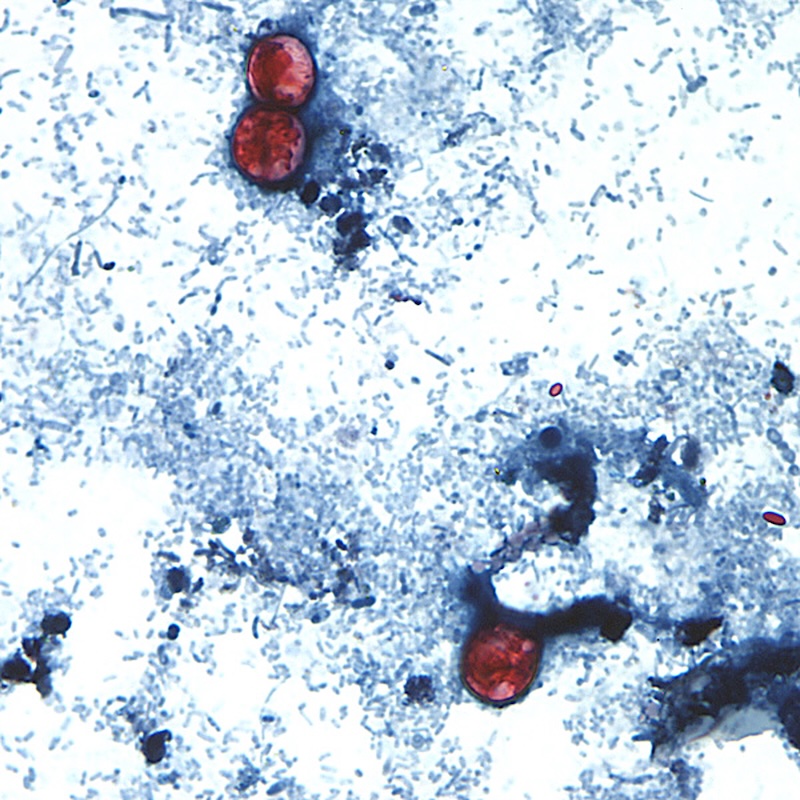
The news about cyclosporiasis, an illness people can contract by eating raw produce contaminated with a diarrhea-causing parasite, keeps evolving. U.S. cases are the highest on record with 41 states reporting more than 4,000 lab-confirmed cases.
That number is expected to keep rising and even the U.S. Centers for Disease Control and Prevention’s finalized data will likely be an undercount because some people recover without getting tested or treated for the parasite.
On July 16, health officials announced that some of the cases were linked to shredded iceberg lettuce from a single producer, which recalled several products. In the days that followed, the U.S. Food and Drug Administration announced a lettuce sample had tested positive for cyclospora, then walked that back, saying the test result was flawed.
“We do have the outbreak under control,” said Health Secretary Robert F. Kennedy Jr. on July 21. “We’ve identified the source of the outbreak and the companies that are involved have implemented a recall.”
The next day, the FDA opened an investigation into another ongoing cyclospora-related outbreak.
It’s been a confusing whirlwind of events.
So, what does all of this mean for you and what’s the outlook on cyclosporiasis?
Q: What is the best advice right now for avoiding this?
A: Continue to steer clear of recalled shredded iceberg lettuce from the supplier Taylor Farms de Mexico, which public health officials say is linked to the cyclosporiasis cases in nine states.
Beyond that, cook your produce. Cooking food to at least 158 degrees Fahrenheit kills cyclospora, so that’s the best way to avoid illness after eating something contaminated.
The parasite can cling to fresh produce, so thoroughly washing your produce and herbs under running water might reduce your chances of getting sick, but it won’t eliminate the risk entirely.
Q: What products and states are affected by this outbreak?
A: Taylor Farms’ July 17 recall involved shredded iceberg lettuce products distributed June 29 through July 16 in more than 25 states.
That included lettuce in products sold at numerous Taco Bell locations and Marketside-brand products sold at Walmart stores in 15 states, some of which had “best by” dates through Aug. 3. Check the produce in your fridge against the recall details and throw it away if you have it.
Taylor Farms lettuce was clearly linked to cyclosporiasis in nine states: Illinois, Indiana, Kansas, Kentucky, Michigan, Ohio, Oklahoma, Pennsylvania and West Virginia. Cyclosporiasis cases have also been reported in another 32 states.
Q: I got the memo on iceberg lettuce. But should I steer clear of all lettuce?
A: That depends on your risk tolerance.
For some people, even the smallest threat of a violent bout of gastrointestinal distress could outweigh the joy of a fresh salad. For others, it might be worth taking a chance.
Since there are multiple outbreaks, other foods in addition to lettuce could be contributing to different case clusters. Sometimes, officials can’t successfully pinpoint a cyclosporiasis outbreak’s source. That’s because these investigations typically rely on people accurately self-reporting the things they’ve eaten, and people struggle to remember everything they ate days earlier.
Some experts said they were taking steps to temper the risk. Jill Roberts, a professor of environmental health microbiology at the University of South Florida College of Public Health, said because cases have been linked to foreign produce, she is eating domestically grown produce for the time being.
Meanwhile, Don Schaffner, a food science specialist at Rutgers University, said he hasn’t changed his behavior. Most fresh produce in this country is not linked to foodborne disease, he said: “I’ve had a salad for dinner most nights, and will definitely be having a salad for dinner tonight.”
Q: Is the outbreak “under control” as Kennedy said?
Health Secretary Robert F. Kennedy Jr. answers questions about rising cyclosporiasis cases July 21, 2026. (C-SPAN)
A: It’s hard to say precisely because there are several outbreaks and data on cyclosporiasis cases is slow and limited. Schaffner said the CDC has been particularly slow to report information on symptomatic people and new cases.One day after Kennedy made the comment on July 21, the FDA opened an investigation into its sixth cyclospora-related outbreak. Of the currently active cyclospora investigations, the FDA says four outbreaks are ongoing. Only one active investigation has linked an outbreak to a product — the iceberg lettuce.
If the other outbreaks are linked to common sources, more recalls could follow.
Three days after Kennedy made the comment on July 21, the CDC said the number of states with reported cyclosporiasis cases linked to Taylor Farms’ iceberg lettuce had increased from five to nine. And reported cyclosporiasis case numbers have continued to rise.
The CDC said July 24 the outbreak could be even larger and involve more states than reported so far because not every case is reported.
That cases are rising doesn’t necessarily mean people are being newly exposed. It can take up to two weeks for symptoms to develop.
Although cyclosporiasis hasn’t made these kinds of news-leading headlines in recent years, it is not new. Public health officials are used to seasonal outbreaks from May 1 to Aug. 31 because it thrives in warm temperatures.
Q: I’ve found it difficult to understand how and where this is spreading. Is it just me?
A: It’s not just you. Some of the confusion stems from the nature of the illness — it takes a while to develop symptoms and therefore track cases — but other factors have also muddied the picture.
News that the FDA had gotten a false positive test result on a Taylor Farms lettuce sample introduced uncertainty about what was and wasn’t causing cases to spread.
We don’t know all the details, but to detect cyclospora in a lab setting, scientists have to create chemical reactions to amplify the presence of the parasite’s DNA. Sometimes the amplification process can create false positives. The FDA stayed firm on its recommendation to avoid Taylor Farms’ recalled products, saying other signs still pointed to the company’s lettuce as the most likely culprit.
View this post on Instagram
Bloomberg reported that the false-positive incident came after Taylor Farms had delayed issuing a product recall until after an FDA deadline, all of which may have contributed to communication lags and further spread.
Food safety experts say the Trump administration’s cuts to the federal workforce and public health and research funding have also hindered the government’s response and communication.
Public health laboratories work on food-related disease outbreaks and recalls, and those labs were “decimated in the last year,” Roberts said.
Kennedy said July 21 that only “redundant” food safety surveillance programs were cut.
Food Fix, a newsletter about federal food policy, pointed out that the federal government cut billions in funding for state and local health officials, who are critical to foodborne illness surveillance. It also cut CDC lab staff specialized in cyclospora and USAID funding that supported domestic cyclospora research.
PolitiFact Staff Staff Writer Grace Abels and PolitiFact Staff Researcher Caryn Baird contributed to this report.
RELATED: What is cyclosporiasis and how can you avoid catching this, uh, ‘explosive’ GI illness?
Our Sources
Email interview with Don Schaffner, a Rutgers University distinguished professor and extension specialist in food science, July 22, 2026
Email interview with Jill Roberts, a professor of environmental health microbiology at the University of South Florida College of Public Health, July 22, 2026
CBC, How the outbreak of an intestinal parasite in the U.S. unfolded, July 21, 2026
FoodSafety, Michigan, Ohio Together Report More than 8,000 Cyclosporiasis Cases, July 21, 2026
WUSF, The cyclospora outbreak was predictable and preventable, an expert says, July 14, 2026
Food and Drug Administration, Investigations of Foodborne Illness Outbreaks, accessed July 22, 2026
U.S. Centers for Disease Control and Prevention, Symptoms of Cyclosporiasis, accessed July 23, 2026
U.S. Centers for Disease Control and Prevention, Surveillance of Cyclosporiasis, accessed July 23, 2026
The New York Times, Cyclospora Cases in the U.S. Hit Record High, July 21, 2026
U.S. Centers for Disease Control and Prevention, Cyclospora Outbreak Linked to Iceberg Lettuce in 9 States, July 18, 2026
U.S. Food and Drug Administration, Investigation of 5-State Outbreak of Cyclospora Illnesses: Iceberg Lettuce (July 2026), updated July 19, 2026
U.S. Food and Drug Administration, Investigations of Foodborne Illness Outbreaks, accessed July 22, 2026
The New York Times, Dirty lettuce, July 22, 2026
U.S. Centers for Disease Control and Prevention, Domestically Acquired Cyclosporiasis Cases in Multiple U.S. States, 2026, July 14, 2026
U.S. Food and Drug Administration, Taylor Fresh Foods Recalls Iceberg Lettuce from Central Mexico Because of Possible Health Risk, July 18, 2026
Bloomberg, As Parasite Spawned Chaos, Taylor Farms Slow-Walked Response, July 21, 2026
USA Today, RFK Jr. says cyclosporiasis ‘under control,’ rebukes criticisms, July 21, 2026
The New York Times, F.D.A. Announces New Cyclosporiasis Outbreak with 72 Cases, July 23, 2026
U.S. Centers for Disease Control and Prevention, Where People Got Sick: Cyclospora Outbreak, July 2026, accessed July 24, 2026
Cleveland.com, Ohio cyclosporiasis cases surge to 2,576 in growing outbreak – cleveland.com, July 23, 2026
Michigan Health & Human Services, Infectious Disease Outbreaks, accessed July 24, 2026
CBS News, Michigan cyclosporiasis outbreak tops 6,500 cases, state health officials say, July 21, 2026
PBS News, What you need to know about the cyclosporiasis outbreak, July 10, 2026
U.S. Food and Drug Administration, Investigation of 5-State Outbreak of Cyclospora Illnesses: Iceberg Lettuce (July 2026), archived July 19, 2026
CNBC, Cyclospora outbreak tests RFK Jr.’s promise to overhaul food system, rebuild trust in CDC, July 23, 2026
The Guardian, Trump’s deep public health cuts hinder response to record US cyclosporiasis outbreak, July 18, 2026
C-SPAN, HHS Secy. Kennedy, Dr. Oz, and Others Hold News Conference on Combating Fraud | Video, July 21, 2026
Merck Manual Professional Edition, Cyclosporiasis – Infectious Disease, May 2024
Johns Hopkins Bloomberg School of Public Health, Understanding the Cyclosporiasis Outbreak, July 22, 2026
The Guardian, CDC cuts leave US less prepared for disease outbreaks, former officials warn, July 22, 2026
FoodFix, RFK Jr. says the cyclospora outbreak is ‘under control.’ It’s not., July 24, 2026
CNN, Trump’s funding cuts created ‘the perfect storm’ that slowed the government’s cyclosporiasis response, July 20, 2026
CNN, Trump administration pulls back billions in Covid-era funding for state, local health departments, March 26, 2025