Why mRNA vaccines are giving cancer patients hope

If your time is short
- Messenger RNA vaccines carry information to the body’s immune system. When it comes to treating cancer, personalized mRNA vaccines teach the immune system to recognize and try to kill cancer cells.
- So far, customized mRNA cancer vaccines are most promising for cancers that the body’s immune system already recognizes as foreign and tries to fight such as melanoma and lung cancer. With more research, scientists hope that more cancers might become targets.
- Creating personalized vaccines can be costly and takes time.
For a lot of Americans, the first time they heard the letters “mRNA” was during the early, panic-filled months of the COVID-19 pandemic, as scientists raced to develop a vaccine.
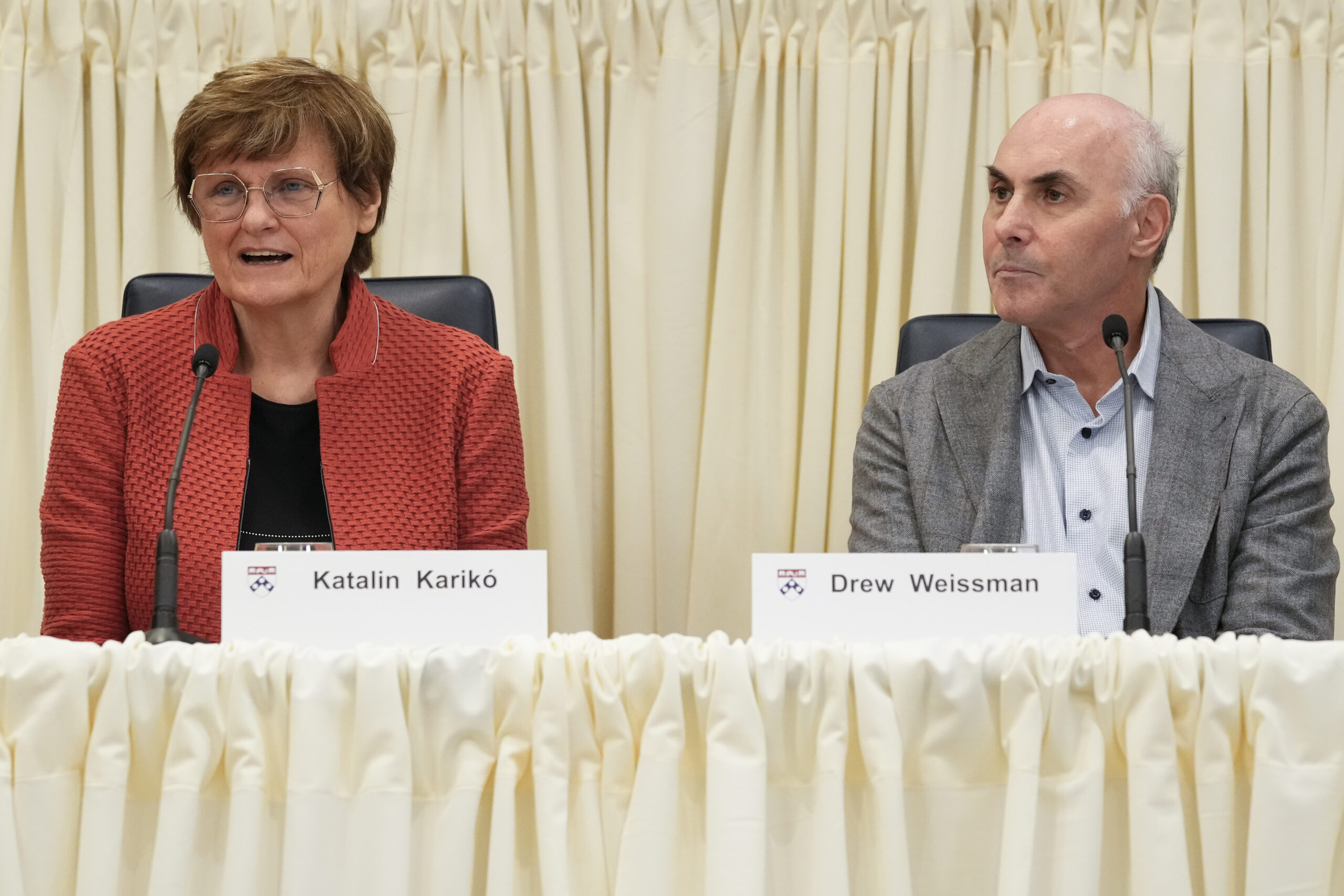
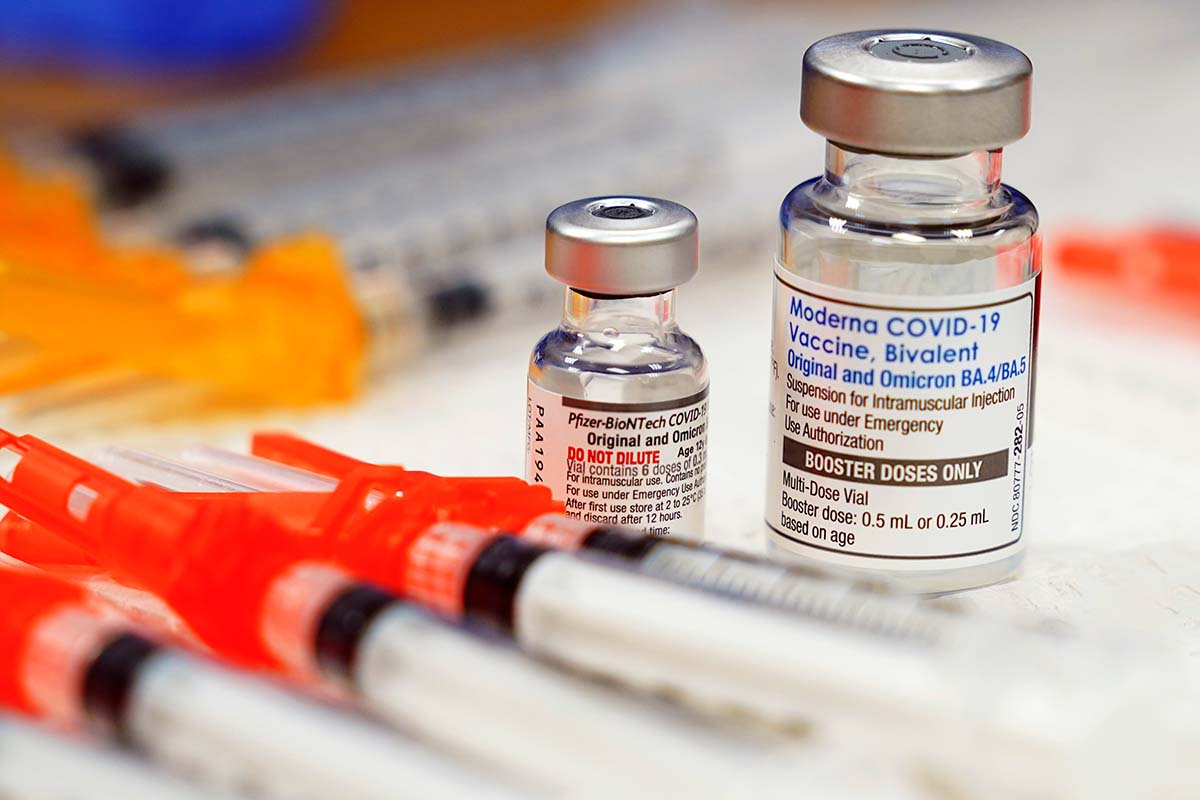
The COVID-19 vaccines became the first mRNA — or messenger RNA — vaccines ever approved by the U.S. Food and Drug Administration. The researchers whose scientific discoveries fueled the vaccines’ successful development were awarded a 2023 Nobel Prize.
Yet skeptics worried. People afraid of or opposed to the vaccines circulated false statements, including that mRNA causes cancer.
Five years later, mRNA is making headlines again because it shows promise to do the opposite: treat cancer.
Using the same technology that helped human immune systems find and attack the coronavirus’ spike protein, mRNA is helping doctors create customized vaccines that teach human bodies how to best fight their specific cancers.
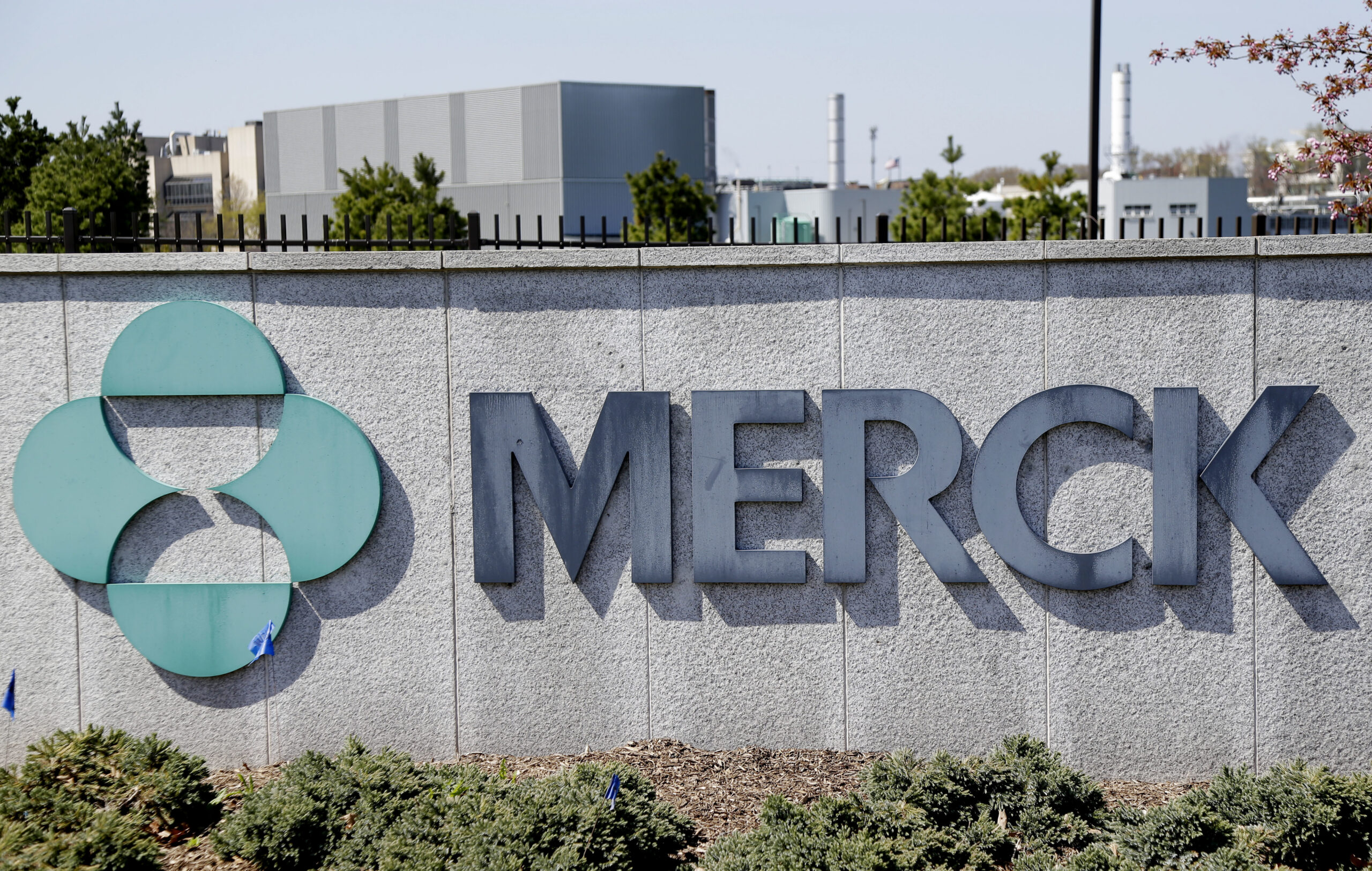
On Aug. 19, pharmaceutical companies Merck and Moderna announced hopeful human clinical trial results for individualized mRNA vaccines that protect against melanoma.
Combining these personalized vaccines with an FDA-approved immunotherapy drug improved patients’ recurrence-free survival, the companies said in a statement.
Phase 3 clinical trials are usually one of the last steps before the FDA reviews and approves a drug. If the FDA gives it the go-ahead, it would become the first FDA-approved mRNA cancer treatment of its kind — but not the last.
“What this could be is an entire class of new drugs that’s personalized, that makes incurable conditions curable,” said Dr. Elias Sayour a pediatric oncologist and University of Florida neurosurgery and pediatrics professor.
Here’s how it works.
Messenger RNA vaccines carry information to the body’s immune system
Because vaccines using mRNA technology are customizable, they were easily updated to target the alpha, delta and omicron COVID-19 variants. It’s also why they lend themselves well to personalized cancer vaccine development.
“The same thing has to be done in cancer,” Sayour said.
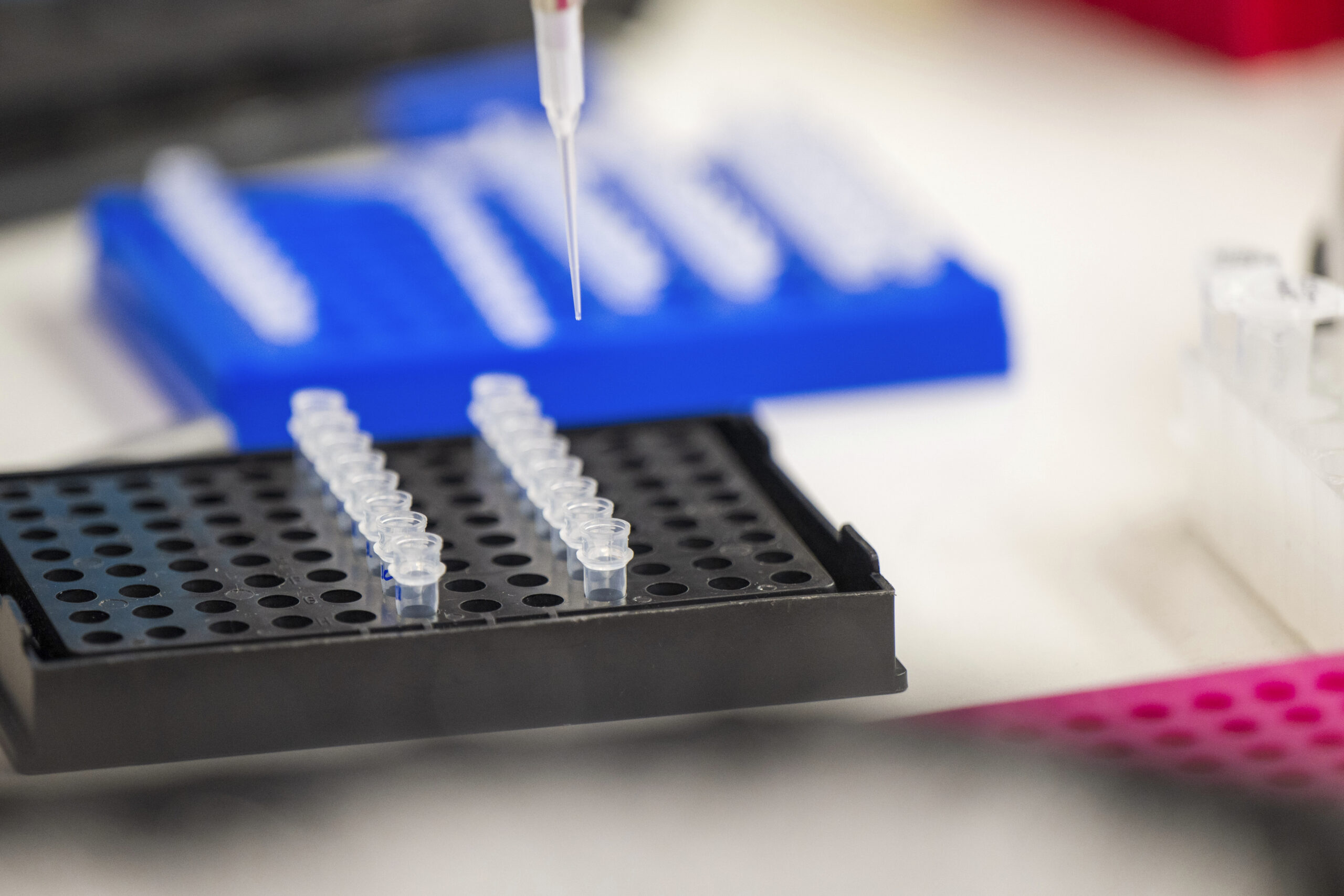
To determine a cancer patient’s ideal vaccine target, doctors take a blood sample and a sample of the patient’s cancer cells — either with a biopsy or after a tumor is removed.
From there, scientists extract the cells’ DNA and RNA and sequence it. They compare the DNA from normal blood cells and the tumor to identify any of the tumor’s mutations. (This might involve sending the tumor tissue to the company that makes the cancer vaccines and has the technology to sequence the DNA.)
Scientists then create a customized vaccine containing specific mRNA instructions that tell the body to make the mutated proteins found on that person’s tumor cells. When it is injected into the body, the mRNA enters healthy cells and triggers the immune system to make antibodies and cytotoxic T cells, a type of white blood cell that can kill cancer cells.
Through this process, the mRNA vaccine essentially teaches the body’s immune system to recognize and try to kill any cancer cells that have the mutated protein.
Like other medical treatments, the vaccines can have side effects. Merck and Moderna said the most common reactions to the melanoma mRNA vaccine itself were fatigue, pain at the injection site and chills.
The mRNA vaccine approach works best if it boosts an existing natural immune response
So far, the mRNA cancer vaccine approach is most promising for cancers with a lot of mutations that the body’s immune system already recognizes as foreign and tries to fight.
Sayour said he thinks of it as a race.
“The best chance of getting these to work right now is in the context of a tumor where our immune system is already off the starting line,” he said. “That is melanoma. That is lung cancer.”
It also includes triple-negative breast cancer, certain colon cancers and some kidney cancers, said Keith Knutson, a professor of immunology at Mayo Clinic who works on mRNA cancer vaccines.
Researchers are exploring pairing the vaccines with certain immunotherapy drugs, which are sometimes used in cancer treatment because they can essentially block a tumor’s attempts to suppress the body’s immune system.
The melanoma vaccine trial, for example, combined the mRNA vaccine with the immunotherapy drug Keytruda, also called pembrolizumab (pem-broh-LIH-zoo-mab). Dr. Ryan Sullivan, a researcher at Massachusetts General Research Institute and a professor at Harvard Medical School who is involved in the clinical trial, said it’s unclear exactly how much the pembrolizumab does. It was used because it’s part of the standard of care for melanoma patients.
In theory, Sullivan said it might be more effective to give the personalized vaccine and pembrolizumab together because pembrolizumab gives tumor-specific T cells an easier path to attack the tumor, but that has not been proven yet.
Clinical trials that will establish different treatment protocols are still underway. Patients in the melanoma vaccine trial received up to nine doses of the vaccine.
Ultimately, the number of vaccines a patient needs could vary, depending on each person’s immune response.
There’s also likely to be variation in terms of what shows that the treatment is working, depending on a person’s situation and the cancer the vaccine is targeting.
For some mRNA cancer vaccines, the idea is to reduce the risk of the cancer returning after its surgical removal, which was the case with the melanoma vaccine.
Other vaccines might aim to teach a body to attack cancer that cannot be surgically removed, meaning that tumor shrinkage or even slowing disease progression might signal success.
Personalized mRNA vaccines take time and money
The melanoma mRNA vaccine trial’s promising results mark a positive development in the field, but the research has limitations.
This vaccine takes about three months to make, and it’s expensive, Sayour said, estimating the cost is “a six-figure sum.”
Biotherapeutics, treatments that use substances from living organisms to treat disease, are an expensive class of drug.
This technology is still so new that there aren’t existing, inexpensive manufacturing approaches, Knutson said. Plus, that personalization adds costs, including biopsies and DNA sequencing.
As the technology improves, experts said they expect it to be possible to make the vaccines quicker and cheaper.
“There’s going to be competition in the marketplace to make these vaccines,” and interest in reducing costs, Knutson said.
Researchers also have limited information about which mutated proteins are the best to teach the immune system to target.
“Each person has their own mutations,” and out of all of them, scientists have to decide which ones the immune system will recognize and try to fight, Knutson said. Artificial intelligence might play a role in improving and speeding up that decision-making, he said.
It will also take more time and research to develop vaccines that help the body attack cancers the immune system isn’t already primed to fight — or ones the immune system is actually shielding or protecting. The body sometimes protects cancers like glioblastoma, which can form in the brain or on the spinal cord, Sayour said.
“In those contexts, I still believe the mRNA has a major role,” he said. But they’ll likely require combining other treatments including immunotherapies, and “the design of those vaccines may need to be a little different.”
PolitiFact Staff Researcher Caryn Baird contributed to this report.
RELATED: What are biologics and will the Trump administration’s plans make them cheaper?
Our Sources
Interview with Dr. Elias Sayour, a pediatric oncologist and a neurosurgery and pediatrics professor at the University of Florida’s College of Medicine, Sept. 2, 2026
Interview with Keith Knutson, a professor of immunology at Mayo Clinic, Sept. 1, 2026
Email interview with Dr. Ryan Sullivan, a researcher at Mass General Research Institute and a professor at Harvard Medical School, Aug. 31, 2026
ABC 7 Eyewitness News, Personalized mRNA cancer vaccine shows promise in extending lifespan in melanoma trial, Aug. 19, 2026
American Cancer Society, mRNA Vaccines, accessed Sept. 3, 2026
The Washington Post, Cancer treatment could face landmark moment with promising vaccine, Aug. 19, 2026
KIMT, Personalized mRNA vaccines offer new hope in fight against cancer, Aug 28, 2026
Memorial Sloan Kettering Cancer Center, Investigational Pancreatic Cancer Vaccine Shows Lasting Results in Early Trial, Supporting Continued Testing, April 19, 2026
University of Florida Health, Surprising finding could pave way for universal cancer vaccine – UF Health, July 18, 2025
The University of British Columbia, mRNA cancer vaccines are coming. What are they and how could they transform cancer treatment? – UBC Faculty of Medicine, Aug. 21, 2026
American Medical Association EdHub, Cancer-Treating Vaccines Are on the Horizon, April 10, 2026
American Cancer Society Cancer Action Network, Overwhelming Majority of Cancer Patients and Survivors Support Broad Community Immunization and Oppose Limiting Access to Vaccines, Feb. 18, 2026
PolitiFact, No, Joe Biden didn’t get ‘turbo cancer’ from COVID-19 vaccines. There’s no such thing, May 20, 2025
PolitiFact, Claim Fox News commentator Kelly Powers died from cancer caused by COVID-19 vaccines is unfounded, Dec. 6, 2024
PolitiFact, No, mRNA vaccines don’t send the immune system into ‘perpetual overdrive,’ March 15, 2021
PolitiFact, 10 types of COVID-19 vaccine misinformation swirling online, fact-checked, July 26, 2021
American Society of Gene + Cell Therapy, Comirnaty Becomes First-Ever mRNA Vaccine to Receive FDA Approval, Aug. 27, 2021
American Society of Gene + Cell Therapy, Second mRNA Vaccine for COVID-19 Approved in the U.S., Dec. 18, 2021
Johns Hopkins Bloomberg School of Public Health, The Long History of mRNA Vaccines, Oct. 6, 2021
National Institute of Allergy and Infectious Diseases, Decades in the Making: mRNA COVID-19 Vaccines, accessed Sept. 3, 2026 (Archived here)
New Scientist, What are mRNA vaccines and how useful will they be? Nov. 18, 2020
National Cancer Institute, Definition of phase III clinical trial – NCI Dictionary of Cancer Terms, accessed Sept 3, 2026
National Cancer Institute, Definition of T cell – NCI Dictionary of Cancer Terms, accessed Sept 3, 2026
National Cancer Institute, Definition of cytotoxic T cell – NCI Dictionary of Cancer Terms, accessed Sept 3, 2026
National Cancer Institute, Definition of mutation – NCI Dictionary of Cancer Terms, accessed Sept 3, 2026
National Cancer Institute, How mRNA Vaccines Might Help Treat Cancer, Jan 20, 2022
National Cancer Institute, Definition of dendritic cell – NCI Dictionary of Cancer Terms, accessed Sept 3, 2026
National Cancer Institute, Definition of B cell – NCI Dictionary of Cancer Terms, accessed Sept 3, 2026
National Cancer Institute, Definition of triple-negative breast cancer – NCI Dictionary of Cancer Terms, accessed Sept. 4, 2026
National Cancer Institute, Definition of immunotherapy – NCI Dictionary of Cancer Terms, accessed Sept. 4, 2026
National Cancer Institute, Definition of pembrolizumab – NCI Dictionary of Cancer Terms, accessed Sept. 4, 2026
Cleveland Clinic, T Cells: Types and Function, accessed Aug. 4, 2026
National Library of Medicine, A Clinical Study of Intismeran Autogene (V940) Plus Pembrolizumab in People With High-Risk Melanoma (V940-001), accessed Aug. 4, 2026
Melanoma Research Alliance, A New Milestone in Melanoma: Personalized mRNA-Based Cancer Therapy Shows Positive Phase 3 Results, Aug. 19, 2026
NobelPrize.org, Press release: The Nobel Prize in Physiology or Medicine 2023, Oct. 2, 2023
MedlinePlus, What are mRNA vaccines and how do they work?: MedlinePlus Genetics, accessed Aug. 3, 2026
National Human Genome Research Institute, Understanding COVID-19 mRNA Vaccines, accessed Aug. 4, 2026
Mayo Clinic, COVID-19 and related vaccine development and research, accessed Sept. 3, 2026
Johns Hopkins Bloomberg School of Public Health, The New Technology Behind COVID-19 mRNA Vaccines and What This Means for Future Outbreaks, Jan. 15, 2021
Johns Hopkins Bloomberg School of Public Health, For mRNA Vaccines, COVID-19 Is Just the Beginning, Jan. 29, 2021
PolitiFact, A patient got the weight loss medication retatrutide before FDA approval. How does that work?, July 1, 2026
PolitiFact, First UK patient received mRNA cancer dose in October, months before reports of King Charles’ cancer, Feb. 9, 2024