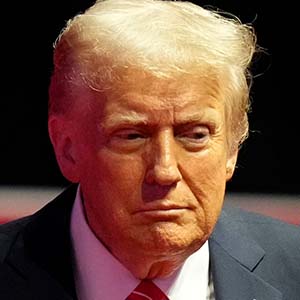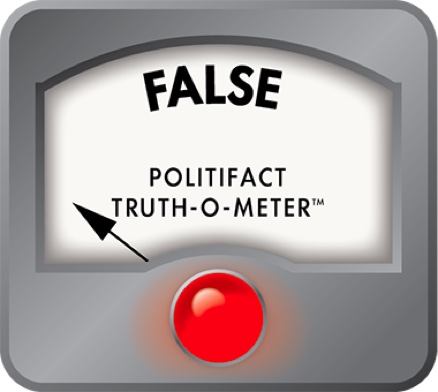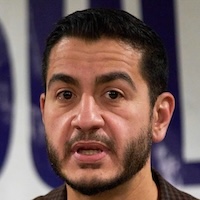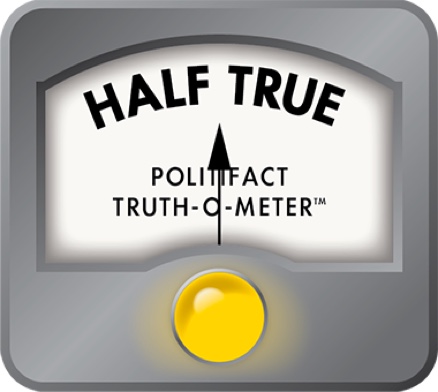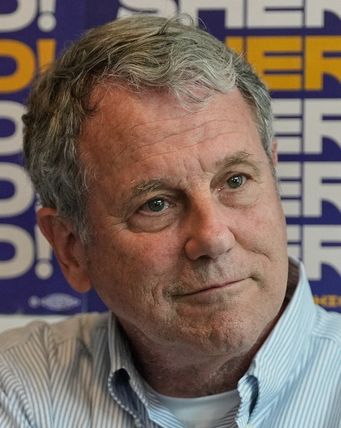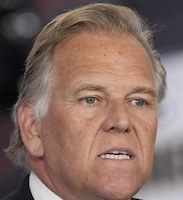
Abdul El-Sayed “could not condemn the terrorist who tried to attack and kill 140 Jewish children right here in Michigan.”
El-Sayed condemned Michigan synagogue attack. Critics said his other comments appeared to justify it
If your time is short
- A day after a man drove his vehicle into a Michigan synagogue in March, Abdul El-Sayed said, “I condemn what he did.”
- El-Sayed also said “hurt people hurt people” and called the attack by a man who investigators had identified as Arab-American and Muslim an example of a cycle of violence. Critics said El-Sayed’s comments sought to excuse or justify the attacker’s motives.
- In August, El-Sayed apologized in response to a question he was asked while speaking to a group of Jewish Democrats and said he did not intend to minimize their pain.
In Michigan’s U.S. Senate race, Republican Mike Rogers criticized Democrat Abdul El-Sayed’s response to a March synagogue attack in their state.
In a Sept. 24 interview with Fox News host Sean Hannity, Rogers said El-Sayed failed to condemn the man who drove his truck into a synagogue where children were attending preschool. The assailant died from what police said was a self-inflicted gunshot wound; no one else was killed.
“(El-Sayed) could not condemn the terrorist who tried to attack and kill 140 Jewish children right here in Michigan,” said Rogers, a former Republican congressman, referring to Ayman Mohamad Ghazali’s attack on a synagogue in the Detroit area’s West Bloomfield Township. “‘Hurt people hurt people’ is all he could come up with.”
The day of the attack, before many details were known about the attacker and his motives, El-Sayed issued an initial statement denouncing antisemitism and saying he was “standing in solidarity with all of us who value our right to pray how we choose to pray against antisemitism and hate in all its forms.”
In a separate video statement the next day, after the attacker had been identified, El-Sayed twice condemned the attack and said “there is no justification for what (Ghazali) did.” But he also said “hurt people hurt people,” comments that drew criticism from people who said El-Sayed was seeking to justify the attack by also pointing to how Ghazali’s family was affected by violence in the Middle East prior to Ghazali targeting the synagogue.
In August, El-Sayed apologized and said he should have ended his comments at condemnation.
When we asked Rogers’ campaign for information to support the statement, his campaign spokesperson called El-Sayed’s apology inauthentic.
“The only reason he issued a fake apology five months later is because the polling told him to,” Rogers spokesperson Alyssa Brouillet said, calling it “an insult” to Michigan’s Jewish community.
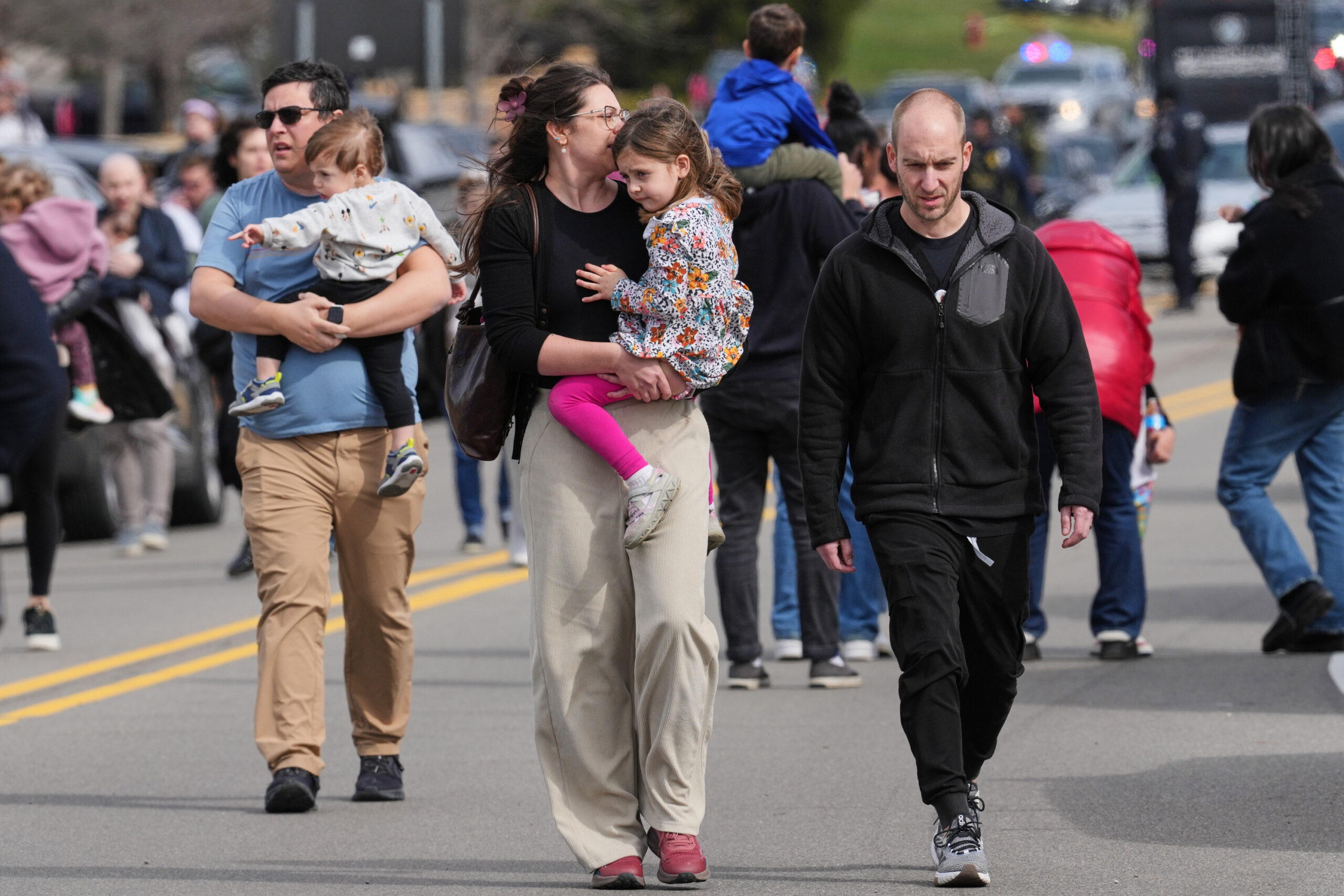
Ghazali was armed with a rifle March 12 when police say he drove a truck filled with fireworks and gasoline into the Temple Israel synagogue. About 140 people, mostly children, were in the building. Ghazali and security guards shot at each other before police said he shot himself. The FBI described it as a Hezbollah-inspired act of terrorism deliberately targeting Michigan’s largest Jewish synagogue.
El-Sayed’s statement at the time of the attack
In his first statement on March 12 about the incident, El-Sayed said, “To my Jewish sisters and brothers, you have a right to worship in peace. You have a right to send your kids to the synagogue in the morning and know they’ll come home safely at night. And you have a right to know that your religious identity and faith practice are respected.”
In a longer video statement released the next day, he noted that the investigation found Ghazali was Arab-American and Muslim.
“I condemn what he did,” El-Sayed said. “There is never a justification for attacking innocent people or houses of worship. Never.”
He called it a “heinous attack” for which there was no justification and said “antisemitism has no place in our communities.” He described the attack as part of a cycle of violence, saying Ghazali’s family members, including children, had been killed in an air strike in Lebanon the week before the Michigan attack.
“As an epidemiologist, I’ve spent my career studying the worst things that happen to people to understand how to stop them from happening, and I’ll never forget one of the simplest lessons I learned while on my psychiatry rotation in medical school: hurt people hurt people,” El-Sayed said in the video.
“Violence is a cycle,” he continued. After Ghazali’s family members were killed in Lebanon, El-Sayed said, Ghazali acted “in an evil act of displaced rage.”
“He tried to take it out on innocent children, who had nothing to do with the loss of the innocent children he lost, except that they share a faith,” El-Sayed said before referring to Israel’s wars in Gaza and Lebanon. “We can and must condemn the attack on Temple Israel, and we can and must condemn the violence 6,000 miles away.”
Reflecting on the attack at Temple Israel. pic.twitter.com/u9p4BwdzoA
— Dr. Abdul El-Sayed (@AbdulElSayed) March 13, 2026
El-Sayed’s campaign pointed us to multiple instances after the March incident in which he called the attack “horrific” and said he condemned it. In those interviews, he made the same comments about Israel’s conduct, a cycle of violence and the attacker’s anger being directed at innocent people.
El-Sayed apologized in August for March comments
El-Sayed’s “hurt people hurt people” comments drew criticism from Temple Israel congregants and Jewish Democrats, who said he was justifying or excusing the synagogue attack.
Addressing Michigan’s Jewish Democratic Caucus in August, El-Sayed apologized in response to a question about the statement. He said his comments were meant to “offer broader context,” The New York Times reported. “If my statement caused pain, I’m sorry,” El-Sayed said.
“I should have issued a statement, of course condemning it, and it just should have been the full stop,” he said, according to the Times.
Jewish voters’ reactions to the apology have been split, according to reporting from NPR and local outlets. Other issues have caused division between El-Sayed’s candidacy and the Jewish community; El-Sayed has called Israel’s conduct in Gaza a genocide, called to end U.S. military aid to Israel and declined to affirm Israel’s continued existence as a Jewish state.
Our ruling
Rogers said El-Sayed “could not condemn the terrorist who tried to attack and kill” children in a Michigan synagogue in March.
El-Sayed said on the day of the attack “there is no room for antisemitism in America” and he stood with Jewish people.
The next day, he released a video statement in which he said of the attacker, “I condemn what he did.” He also said “hurt people hurt people,” drawing criticism for appearing to justify or excuse the attack by connecting it to the attacker’s family members killed in the ongoing Israel-Hezbollah war.
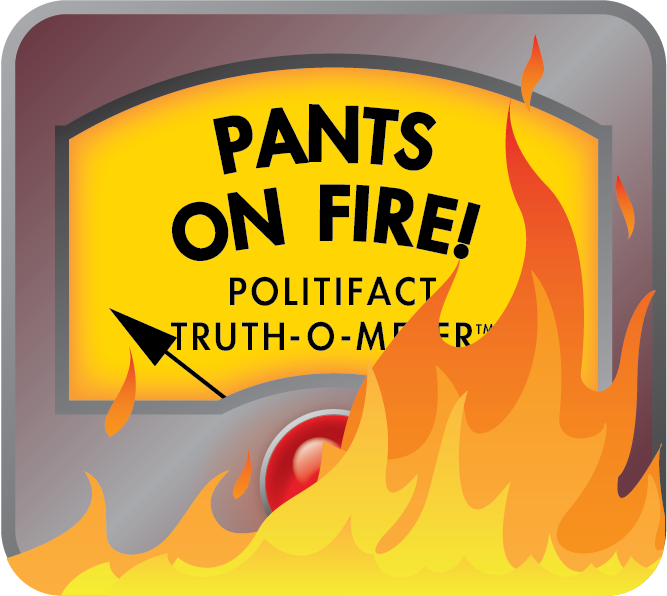
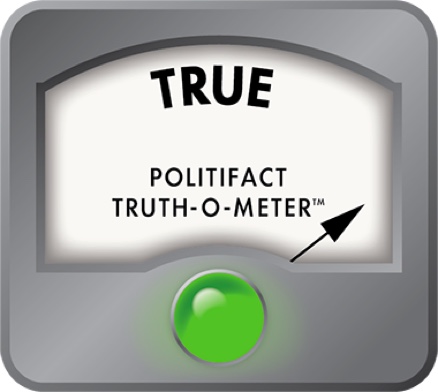
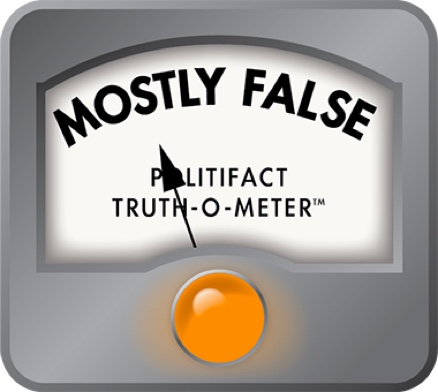
The statement contains an element of truth but ignores critical facts that would give a different impression. We rate it Mostly False.
Our Sources
Fox News Clips, El-Sayed COULDN’T CONDEMN the IRGC: Mike Rogers, Sept. 25, 2026
The Associated Press, El-Sayed apologizes for comments he made responding to an attack on a Michigan synagogue, Aug. 29, 2026
The New York Times, A Crash, Gunfire and Then a Race to Save a Synagogue Full of Children, March 13, 2026
CBS News, Suspect in Michigan’s Temple Israel attack died from self-inflicted gunshot wound, FBI says, March 13, 2026
Federal Bureau of Investigation, Detroit Special Agent in Charge Jennifer Runyan Delivers Final Update on West Bloomfield Attack, March 30, 2026
Abdul for U.S. Senate, Abdul El-Sayed Statement on West Bloomfield Synagogue Attack, March 12, 2026
Dr. Abdul El-Sayed, X post, March 13, 2026
Jewish Democratic Council of America, NEW OP-ED: Stop Rationalizing Antisemitic Violence, March 16, 2026
Abdul for U.S. Senate, VIDEO: Abdul El-Sayed Reflects on Temple Israel Attack, March 13, 2026
Breaking Points, Dem Party Civil War Over Hasan Piker, March 27, 2026
CNN, Michigan Senate candidate Abdul El-Sayed discusses his race and the party, June 30, 2026
The Free Press, They Were Lifelong Democrats. Then a Terrorist Attacked Their Synagogue., Sept. 22, 2026
The New York Times, ‘I Made a Mistake’: El-Sayed Apologizes for Comment About Synagogue Attack, Aug. 29, 2026
El-Sayed split Michigan Democrats. Whether they unify could decide Senate control, Sept. 4, 2026
The Detroit News, Jewish voters in Michigan signal support for El-Sayed for Senate, Sept. 17, 2026