Ketamine: What to know about the sedative drug some college students are using recreationally
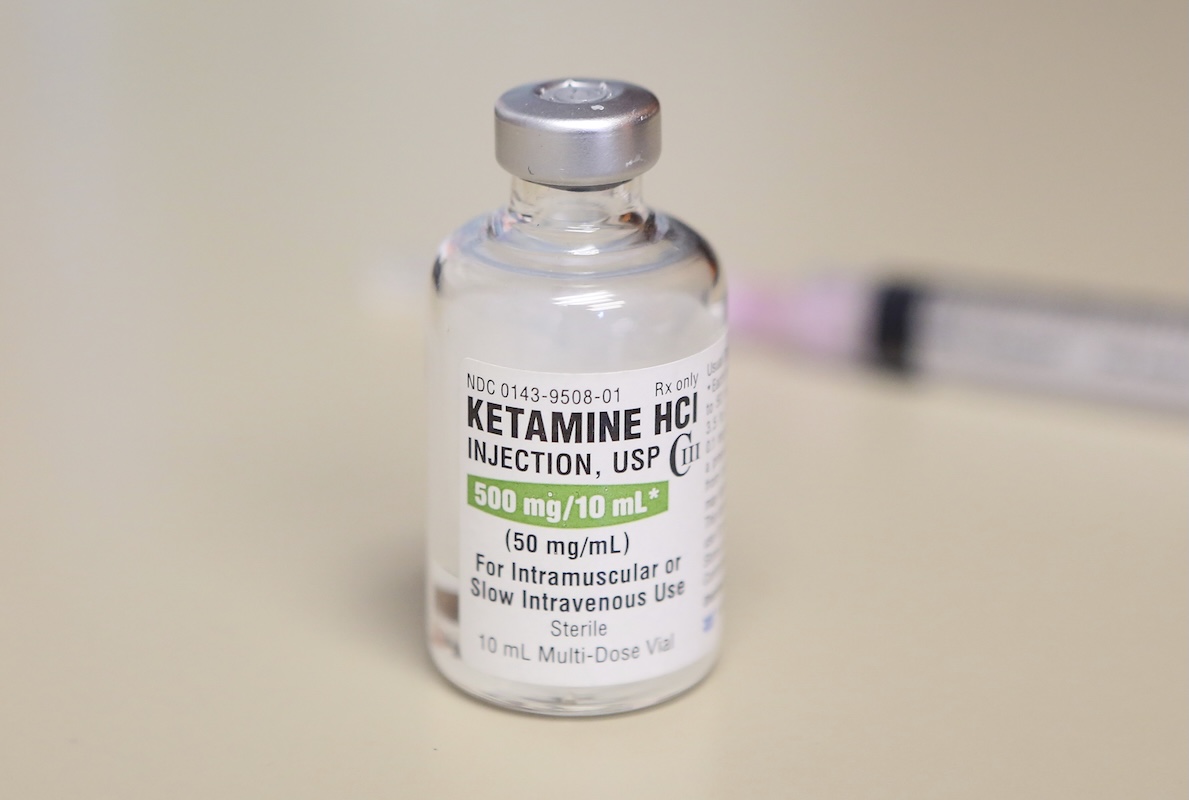

If your time is short
- Ketamine a is a hallucinogenic anesthetic that can make a person feel detached from pain and the environment around them. When it’s taken in high doses, people can lose consciousness.
- The Food and Drug Administration approved ketamine for anesthesia purposes and a ketamine derivative, the nasal spray esketamine, to treat depression in very controlled circumstances.
- Ketamine’s side effects include headache, dizziness, nausea, agitation, blood pressure spikes, unconsciousness and dangerously slowed breathing. It can also be addictive.
Known as special K, key and K, ketamine is both a psychoactive club drug similar to acid or ecstasy and a promising option for treating depression or substance use disorder.
With its dueling profile, the anesthetic ketamine has made lots of headlines in recent years.
It was scrutinized for its role in “Friends” actor Matthew Perry’s 2023 death. During the 2024 election, billionaire and business owner Elon Musk said he used ketamine to treat depression while others reported he may have misused it.
Now, a former Cornell University student’s lawsuit alleging she was gang raped by a group of fraternity members in 2024 includes numerous descriptions of ketamine use by her and her attackers.
As recreational ketamine use rises and researchers continue to explore ways the drug could help people in clinical settings, here’s a primer on this drug, its uses and its risks.
What is ketamine?
It is a dissociative drug, meaning it makes users feel detached from their body, pain and the physical environment, according to the Drug Enforcement Administration. It can also cause hallucinations and sedation.
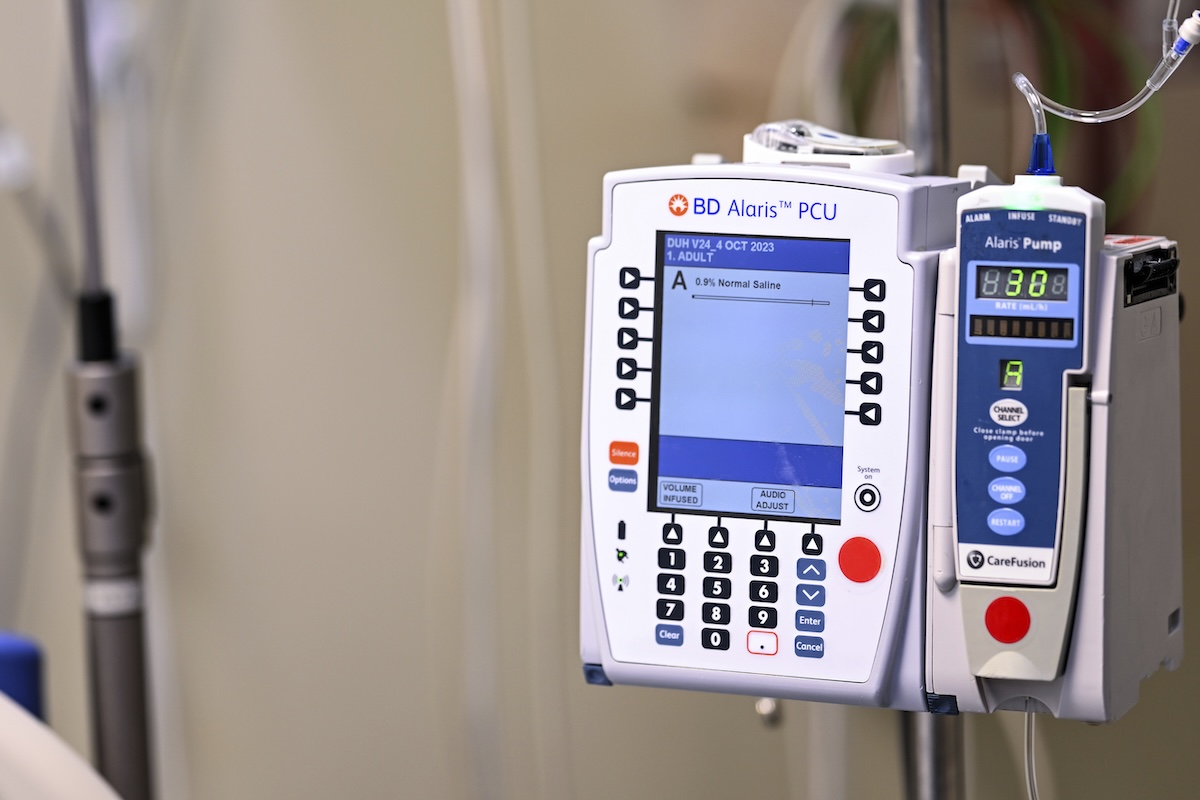
The Food and Drug Administration approves of ketamine for anesthesia purposes, as it can help block pain and cause unconsciousness. For this purpose, it is typically administered intravenously or injected into a muscle.
The FDA has also approved the nasal spray esketamine, a ketamine derivative, to treat depression in very controlled circumstances.
Under federal law, ketamine is classified a Schedule III drug, which means it has a “moderate to low” potential for physical and psychological dependence and less potential for abuse than Schedule II drugs such as cocaine and methamphetamine.
It has a reputation as a party, club and rave drug. Its other nicknames include ket, super K, vitamin K or super acid. Liquid ketamine is injected, mixed into drinks or evaporated into crystals that are then ground into powder that can be snorted or smoked. It has been used to facilitate sexual assault.
Ketamine is legal with a prescription for medical use, including for off-label uses such as treatment for post-traumatic stress disorder.
But its status as a Schedule III drug means that it is illegal to possess and distribute or traffic ketamine for recreational use.
What is ketamine used for in clinical settings?
Before and during a surgical procedure, it can be used at high doses to cause drowsiness, promote sleep and render a person unconscious.
Esketamine, sometimes also simply called ketamine, is used to manage depression that’s unresponsive to other treatments and can offer rapid relief. The spray is administered in a hospital or clinic and healthcare providers monitor patients for at least two hours before they are allowed to leave.
Ketamine therapy is when medical professionals administer low doses of the drug. Some people describe esketamine spray for depression as ketamine therapy, but the term also refers to doctors prescribing ketamine infusions off-label to treat conditions such as chronic pain, depression, obsessive compulsive disorder and PTSD. Medication being prescribed “off-label” means it isn’t FDA approved for that purpose.
Early research has also found short-term benefits to using ketamine as a substance use disorder treatment, but more research is needed.

How is ketamine misused or abused?
The drug is sometimes used recreationally because it can cause an out-of-body experience or produce hallucinations that last about 30 minutes to a few hours. Some people describe a dissociative state or experiencing oblivion, sometimes called a “k-hole.”
Ketamine can cause immobility, sedation, amnesia and distort a person’s sense of sight and smell. Overdosing on ketamine can cause unconsciousness and dangerously slowed breathing.
What are side effects and other risks of ketamine?
Side effects can include headache, dizziness, nausea, blurred vision, poor memory, confusion, anxiety, agitation, a spike in blood pressure and shortness of breath.
People can develop an addiction to ketamine, and that risk is higher for people who have a history of addiction.
Long-term ketamine abuse also carries risks such as poor memory and concentration, abnormal liver or kidney function and ketamine bladder syndrome (weakened bladder, incontinence and bladder ulceration), according to the Alcohol and Drug Foundation in Australia.
How does it mix with alcohol?
As a central nervous system depressant, alcohol slows brain activity. Mixing alcohol with ketamine increases the sedative effects of both drugs, increasing a person’s risk of losing consciousness.
At lower doses of combining the two, a person risks nausea and vomiting and at higher doses the risk of passing out and then aspirating vomit increases.
“Even on relatively small doses, you’re very detached from things,” New York University ketamine researcher Joseph Palamar told The New York Times. “You’re not as in touch with your emotions.” As the dose increases, it becomes harder to communicate, he said.
Our Sources
The New York Times, How Ketamine Emerged as a Key Factor in an Alleged Cornell Sex Assault, Oct. 10, 2026
The New York Times, Cornell’s Jane Doe Said She Was Given Ketamine. Here’s How the Drug Works, Sept. 30, 2026
Drug Enforcement Administration, Drug Fact Sheet: Ketamine, April 2020
Cleveland Clinic, Ketamine: Uses, Interactions & Side Effects, accessed Oct. 5, 2026
Johns Hopkins, What to Know About Ketamine, Jan. 26, 2024
The British Journal of Psychiatry via Cambridge University Press, Psychological effects of ketamine in healthy volunteers, Jan. 2, 2018
NBC News, The depths of Matthew Perry’s addiction: 6 to 8 shots a day and $55K for a month of ketamine, Aug. 15, 2024
The New York Times, Elon Musk Juggled Drugs and Family Drama on Trump’s Campaign Trail, May 30, 2025
Don Lemon’s YouTube channel, Elon Musk on Racism, Bailing Out Trump, Hate Speech, and More – The Don Lemon Show (Full Interview), March 18, 2024
The Washington Post, How ketamine, kratom and other dangerous drugs are changing Cornell and other schools, Oct. 4, 2026
CNN, FDA approves standalone use of J&J’s ketamine-derived depression treatment, Jan. 21, 2025
Cleveland Clinic, Ketamine Therapy: What It Is, How It Works & Side Effects, accessed Oct. 6, 2026
Drug Enforcement Agency, Drug Scheduling, accessed Oct. 6, 2026
Northwestern Medicine, Ketamine Therapy for Depression, April 2025
The Harvard Gazette, How ketamine affects three key regions of brain, May 31, 2023
Cleveland Clinic, Treatment-Resistant Depression: What It Is & Symptoms, accessed Oct. 6, 2026
Cleveland Clinic, Esketamine Nasal Spray, accessed Oct. 6, 2026
Mayo Clinic, Ten Common Questions (and Their Answers) About Off-label Drug Use, October 2012
Mayo Clinic Press, Ketamine for treatment-resistant depression: What you need to know, Dec. 19, 2022
The Ohio State University, Ketamine Therapy, accessed Oct. 6, 2026
UC Berkeley Center for the Science of Psychedelics, Ketamine Therapy Information, accessed Oct. 6, 2026
UCHealth Today, Is ketamine addictive, and is it safe for depression? accessed Oct. 6, 2026
MedLine Plus, Alcohol | Drinking, accessed Oct. 6, 2026
Georgia Urology, Chronic Ketamine Abuse and Its Impact on Bladder Health, June 4, 2025
Journal of Substance Use and Addiction Treatment via Science Direct, Role of ketamine in the treatment of substance use disorders: A systematic review, August 2025
NeuroSci, Ketamine’s Therapeutic Role in Substance Use Disorders: A Narrative Review, Aug. 27, 2025
National Institute on Drug Abuse, Hallucinogens And Dissociative Drugs, Oct. 7, 2026
National Institute on Drug Abuse, Ketamine, accessed Oct. 7, 2026
The University of Arizona, Ketamine, accessed Oct. 7, 2026
Drexel University, Laws Governing Drug Use, accessed Oct. 7, 2026
Department of Justice and Drug Enforcement Administration, Drugs of Abuse: A resource guide, 2026 edition