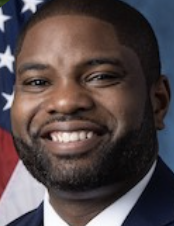
“Senate Bill 484 ensures that utility rates will not go up due to data centers.”

Donalds says FL law will prevent electric bill hikes from data centers. That’s not guaranteed.
If your time is short
- The way a new Florida law is written doesn’t guarantee consumers’ utility rates won’t go up because of new data centers, energy policy experts said
- The law says certain large data centers must bear their “full cost of service,” but it’s up to a state energy commission to ensure that happens. The law doesn’t cap consumer utility rates, nor does it ban future increases, experts said.
- Utilities governed by the commission, such as Florida Power & Light, are subject to the new regulations. Rural cooperatives and municipal utility companies are not. Any pricing rules for data centers in these areas are up to local boards.
Whether the biggest artificial intelligence data centers should open in Florida and what it means for people’s electric bills is a top issue in the state’s governor’s race.
GOP frontrunner U.S. Rep. Byron Donalds welcomes them, with consumer protections attached, and has received dozens of campaign contributions from AI companies. David Jolly, the leading Democrat in the race, wants a data center moratorium, which some counties have enacted already.
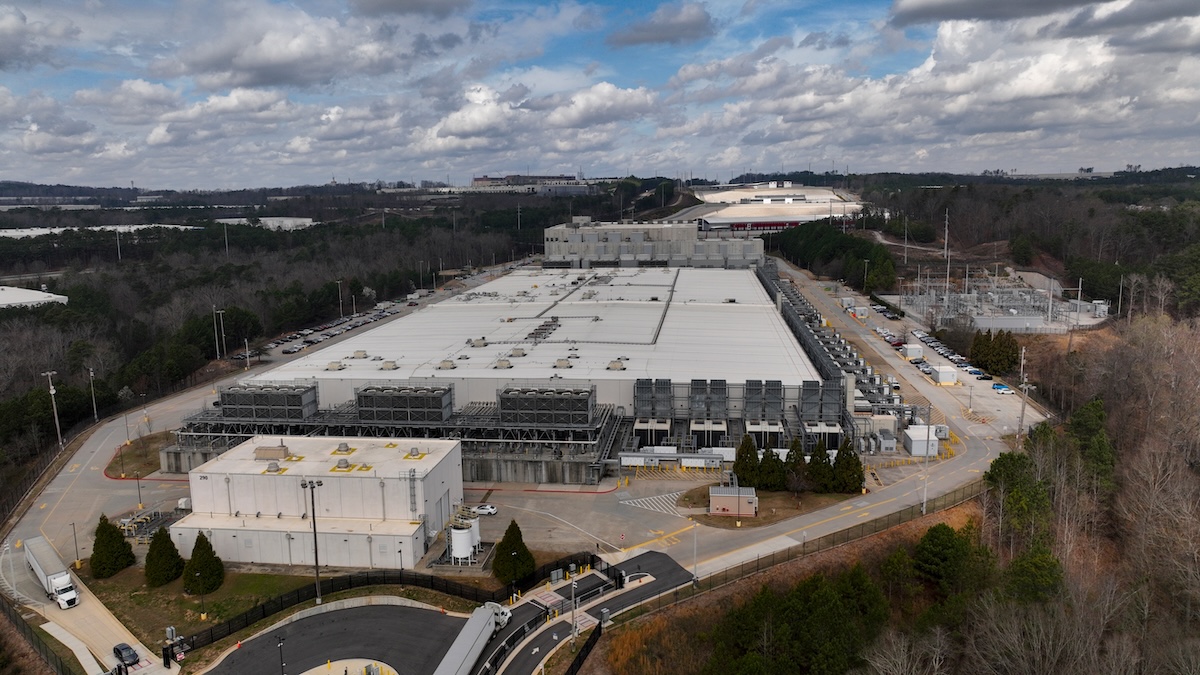
Florida has more than 100 operational data centers. There are proposals for hyperscale AI facilities, but none are open yet.
“Byron Donalds wants to rush them onto pristine land while dismissing the consequences,” Jolly said in a July 22 X post.
But Donalds said Jolly is wrong. “No protections for ratepayers and the environment = no data center. That’s the law on the books in Florida,” Donalds wrote July 22 on X, adding that he introduced a similar bill in Congress.
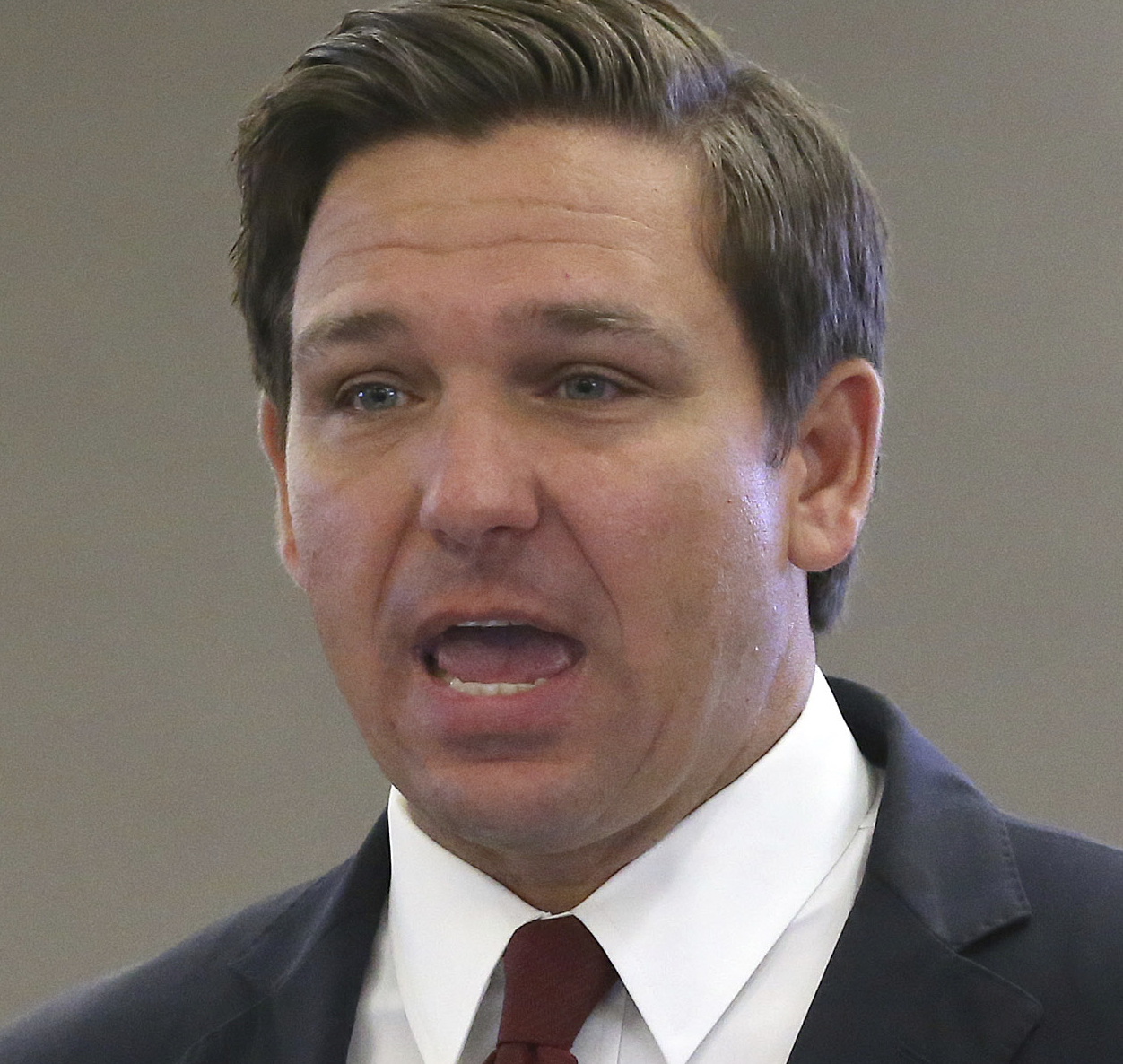
In another post the same day, Donalds said the 2026 law, SB 484, “ensures that utility rates will not go up due to data centers.”
Does the law guarantee consumers’ electric bills won’t increase because of new data centers?
Gates McGavick, Donalds’ campaign communications director, said “no electric rate change” takes effect without the state energy commission’s approval. The commission has to “ensure data centers pay their own cost of service and we expect municipal utilities and co-ops to follow suit,” McGavick said.
Energy policy experts said the law can protect consumers against spiking utility bills. But they also say Donalds overstated its reach. That’s because the pricing plan for data centers depends on a state commission’s oversight, data centers’ operations could increase electric bills in other ways, and the law doesn’t apply to all utility companies.
“Saying rates ‘will not’ go up because of (the law) claims an outcome the statute does not deliver,” said Mark McNees, a Florida State University professor who researches how AI data centers can affect consumers.
Like this kind of fact-focused coverage? Sign up for our Florida midterms newsletter.
The law directs a commission to ‘reasonably ensure’ consumers don’t pay more, but doesn’t guarantee it
The law directs the Florida Public Service Commission, the state’s primary energy regulatory body, to approve minimum tariff and service rules for massive consumers of electricity, or “large load customers.” Data centers that require 50 megawatts of power or more are subject to the law. (A 50-megawatt facility typically draws enough electricity to power around 30,000 to 50,000 homes.)
The law says that rates for these large data centers must “reasonably ensure” that each “bears its own full cost of service” and that the cost isn’t shifted to the average consumer.
The legislation says these costs of service include connection, incremental transmission and generation, and operations and maintenance expenses. It also bars data centers from splitting a single, large location into smaller connections to avoid paying full costs.
Four investor-owned electric utilities in the state are governed by the commission and subject to the law: Florida Power & Light, Duke Energy Florida, Tampa Electric and the Florida Public Utilities Company. These companies serve approximately 75% of the state’s population.
By Oct. 1, these utilities must file compliant pricing plans for the commission’s approval.
The law doesn’t apply to rural cooperatives or municipal utility companies, such as Jacksonville Electric Authority, Orlando Utilities Commission and Gainesville Regional Utilities, which are governed by local boards that set their own pricing rules.
That means people who receive services from these companies aren’t protected under the new law, and could see different rate structures if data centers are built near them.
Energy policy experts said the new law is helpful but largely procedural.
This “directs a process, not a result,” McNees said. The law’s language, that the plans must “reasonably ensure” data centers pay their own costs, is “an instruction to the commission,” not a cap on rates or ban on increases, he said.
The law outlines enforcement tools utilities could use against data centers, such as upfront financial guarantees and minimum demand charges to prevent them from abandoning projects midway and saddling locals with related costs. But it doesn’t require utilities to use these tools.
And while the legislation addresses incremental costs of serving data centers, it doesn’t address other expenses that could make consumers’ bills go up, experts said.
For example, when fuel costs go up, utilities pass that onto customers. The new law doesn’t cap those charges or insulate residential customers from the increases, even if a data center’s electricity consumption raises the overall demand in the region.
Our ruling
Donalds said a new Florida law “ensures that utility rates will not go up due to data centers.”
The law outlines ways to protect consumers from paying higher bills because of new data centers, but it doesn’t guarantee it won’t happen.
Utility pricing plans for certain large data centers must “reasonably ensure” that each bears its own full cost of service, the law says. It’s up to the Florida Public Service Commission to define and enforce the pricing plan.
The four top electric utilities in the state are bound by the law’s rules, but rural cooperatives and municipal utilities governed by local boards are not.
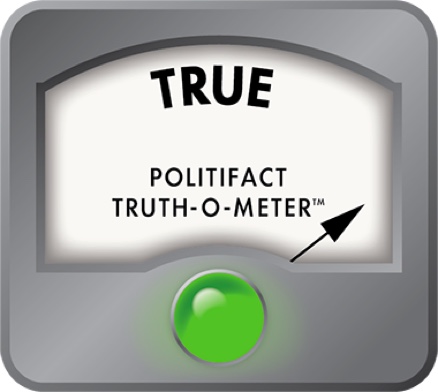
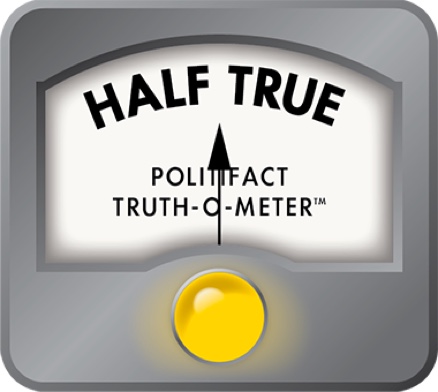
We rate Donalds’ claim Half True.
RELATED: FL governor’s race: Did Jay Collins sponsor a bill giving permanent tax breaks to AI data centers?
RELATED: How much have data centers increased electricity prices?
Our Sources
X, Rep. Byron Donalds post, July 22, 2026
X, Rep. Byron Donalds post, July 22, 2026
X, David Jolly post, July 22, 2026
Florida Senate, Senate Bill 484, Accessed July 28, 2026
Politico, The data center and AI donors powering Donalds’ bid for Florida governor, July 21, 2026
Seeking Rents, New law has Florida ‘open for business’ for AI data centers, utility execs say, July 28, 2026
Florida Tax Watch, TECHNOLOGY: LEGISLATION THAT PASSED, Accessed July 28, 2026
Tampa Bay Times, Overwhelmed by Florida data center news? We made a map to help, July 2, 2026
PolitiFact, How much have data centers increased electricity prices?, June 12, 2026
FloridaDataCenters.org, Florida Data Center map, Accessed Aug. 1, 2026
Email/Phone interview, Mark McNees director of Florida State University’s social and sustainable enterprises master’s program and researcher on energy and ratepayer implications of AI data center growth, July 29 – Aug. 7, 2026
Email interview, Ted Kury, director of energy studies at the University of Florida, July 30, 2026
Email interview, Gates McGavick, communications director for Rep. Byron Donalds’ gubernatorial campaign, July 31, 2026