Fact-checking Maura Healey, Mike Minogue in first Massachusetts gubernatorial debate
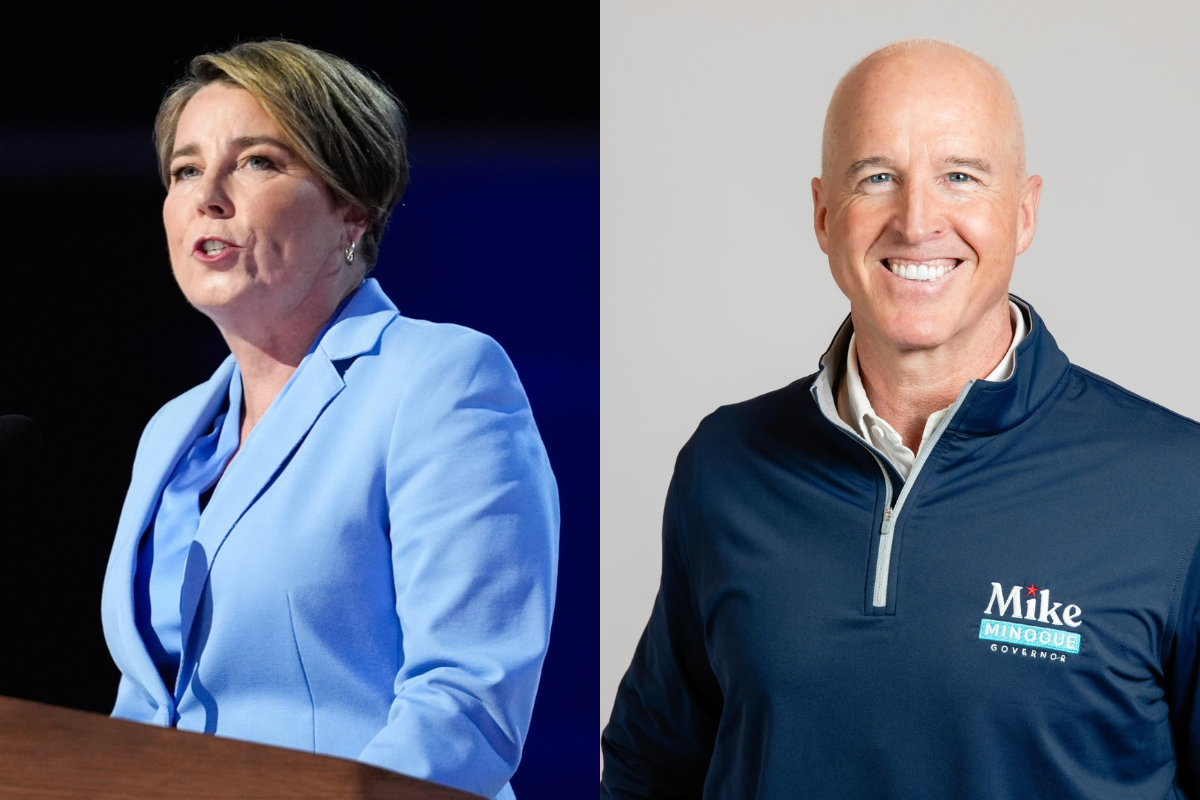

Republican Mike Minogue and Democratic incumbent Gov. Maura Healey faced off for the first time in the Massachusetts gubernatorial race Oct. 8.
The debate, hosted by WBZ-TV and moderated by political analyst Jon Keller, centered around affordability, education and President Donald Trump.
Healey invoked Trump’s name dozens of times as she repeatedly linked Minogue to him and argued that the president’s tariffs and war with Iran are making Massachusetts more expensive.
Minogue said Healey hasn’t done enough in four years to ease residents’ financial burden.
We fact-check some of their statements.
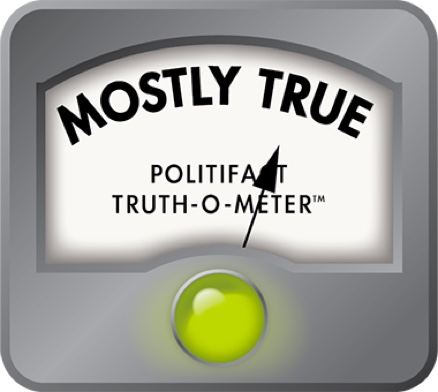
$1.7 billion in tax credits: Is this available to Massachusetts parents?
Minogue said Massachusetts could claim $1.7 billion if it opts into the Federal Scholarship Tax Credit Program. “It could be several $1,000 to every parent,” and 85% of parents qualify, he said. “Why would you not take the free money, Ms. Healey?”
Healey said Minogue was making up numbers. “There’s no basis for your assertion that this will result in $1.7 billion dollars being injected into our schools,” she said.
Whether $1.7 billion is available is possible, but not a given.
Minogue is referring to Healey’s hesitancy to participate in the program, a provision of the One Big Beautiful Bill Act that takes effect January 2027.
Under the program, any taxpayer who donates up to $1,700 annually, or $3,400 for married couples filing jointly, to a scholarship granting organization — a 501(c)(3) charity — will be eligible for a dollar-for-dollar tax credit for their contribution. These organizations, in turn, will be required to use the contributions to grant student scholarships that help families, including those who homeschool, pay for educational expenses.
Families’ household incomes must not exceed 300% of their area’s median gross income to be eligible; approximately 90% of Massachusetts families qualify — which is close to Minogue’s 85% figure.
The $1.7 billion figure is not a guaranteed amount of money that would benefit Massachusetts families, but it’s not made up, as Healey said. The amount depends on how many taxpayers participate and how much they donate. For Massachusetts to generate that much, at least 1 million individual taxpayers, or 500,000 married couples filing jointly, would need to participate and donate the maximum allowable amount.
Thirty states have agreed to participate, as of Oct. 1.
Healey said her team is analyzing new rules the federal government released Oct. 2 to determine their potential effect on the Commonwealth’s public institutions.
Critics say the program funnels taxpayer-subsidized donations away from underfunded public schools into private and religious schools. Supporters say the policy gives families access to customized schooling choices, including public school, and that participating ensures local contributions benefit in-state families.
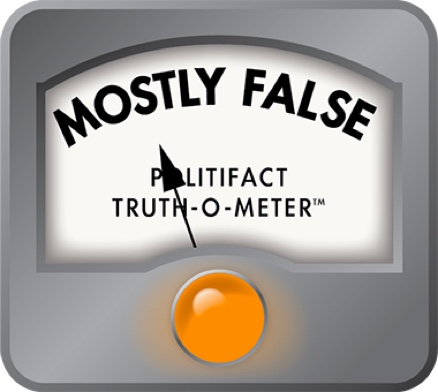
Springfield courthouse: Does it cost $2 billion to build?
Minogue said Healey gave “political insiders $2 billion to build a courthouse in Springfield.”
Healey said, “It’s not $2 billion to construct the courthouse. It’s actually $463 million.”
Both talking points need context.
In June, the Massachusetts government entered into an agreement with the development team Liberty Junction to build a new courthouse, the Springfield Regional Justice Center. Liberty Junction includes developers FD Stonewater and CoJo Real Estate.
The 250,000-square-foot, six-story courthouse is estimated to cost around $462 million to build, with high-end estimates around $525 million. But the agreement’s total price tag for the state includes a 40-year lease of the property, which is valued at $2 billion.
After the state signed the deal with Liberty Junction, two losing developers in the public bidding process filed a lawsuit to suspend it, arguing that the process wasn’t conducted fairly and involved political influence and conflicts of interest from people on Liberty’s team.
In January, John Barros, who owned CoJo Real Estate, became the interim head of the Massachusetts Convention Center Authority, a state agency, and the lawsuit accused him of failing to properly disclose his political ties in the courthouse project’s bidding process.
He has since divested from the project and CoJo Real Estate. Barros also co-owned the real estate company with Conan Harris, the husband of U.S. Rep. Ayanna Pressley, D-Mass.
The state defended selecting Liberty for the contract, saying that its proposal followed standard rules and was the most cost-effective option. In August, a superior court judge denied plaintiffs’ request to halt construction after rejecting their conflict-of-interest claims; the underlying lawsuit challenging the deal continues.
Healey: “My opponent is somebody who wrote a million-dollar check to Donald Trump.”
This is exaggerated.
Minogue donated to Republicans, including Trump, in 2024 and 2025, but he did not write a $1 million check to Trump.
Minogue donated about $230,000 to Republicans before the 2024 election, Federal Election Commission filings show. That included $100,000 to the Trump 47 Committee on Oct. 3, 2024, two donations totaling $93,400 to the Republican National Committee, and money to various candidates. He also hosted a fundraiser in October 2024 with then-Republican Sen. JD Vance as the main speaker. Tickets cost up to $100,000, but it’s unclear how much money was raised.
Post-election, in December 2024, Minogue donated $250,000 to Trump’s Inauguration Committee. In early 2025, Minogue donated about $443,000 to the Republican National Committee in February, he also gave to other candidates and the Massachusetts Republican Party.
If you add the pre- and post-election spending, Minogue gave about $933,000 to Trump and other Republicans.
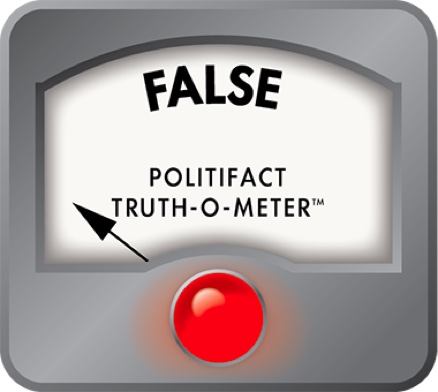
Minogue: Massachusetts is “last in job growth.”
This isn’t accurate.
Washington, D.C., ranks last for job growth with a -3.6% change over the last year, followed by Montana and Virginia (tied at -0.9%), according to Bureau of Labor Statistics data.
A BLS report shows Massachusetts gained about 8,300 jobs from August 2025 to August 2026, an increase of 0.2%. In addition to Washington, D.C., Montana and Virginia, nine other states had negative job growth for the same period.
PolitiFact Chief Correspondent Louis Jacobson, Senior Digital Research Analyst Jeff Cercone and PolitiFact New York reporter Conor Amendola contributed to this report.
Our Sources
See sources linked in story.