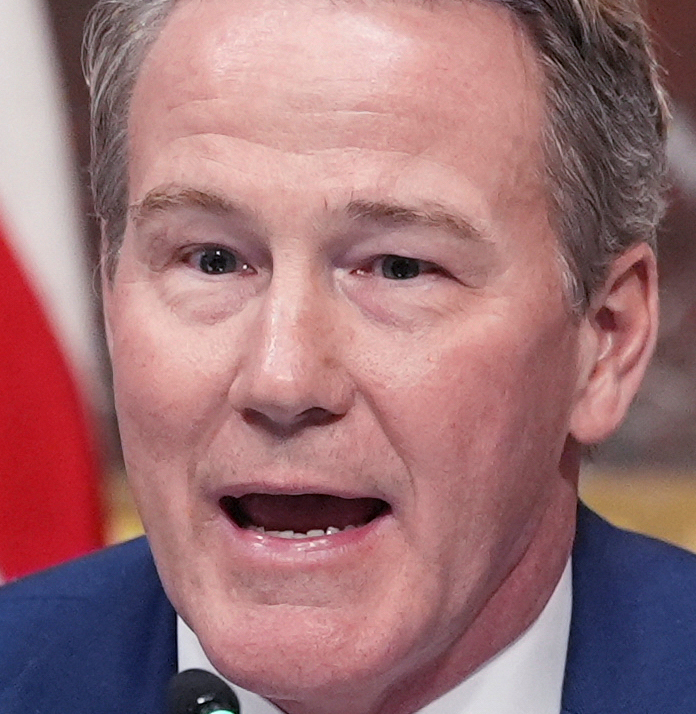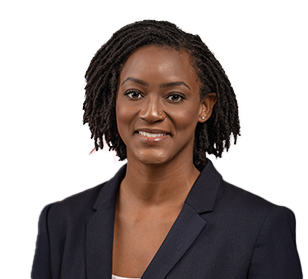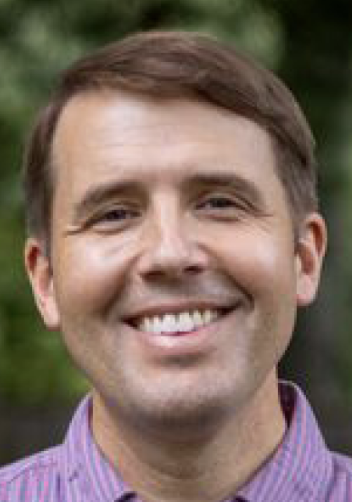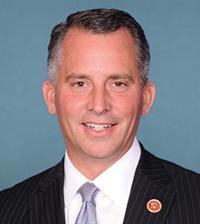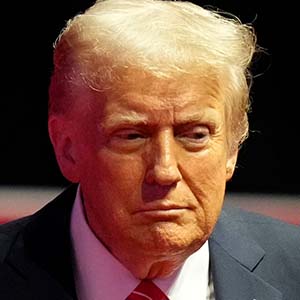
Ohio gubernatorial candidate Dr. Amy Acton “is trying to double your state income tax.”
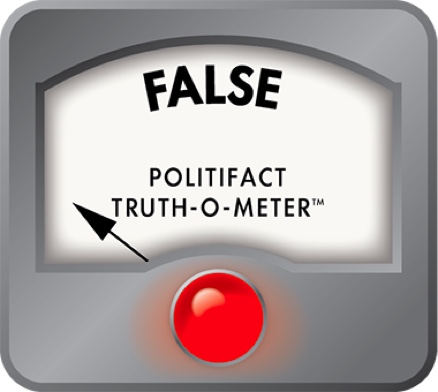
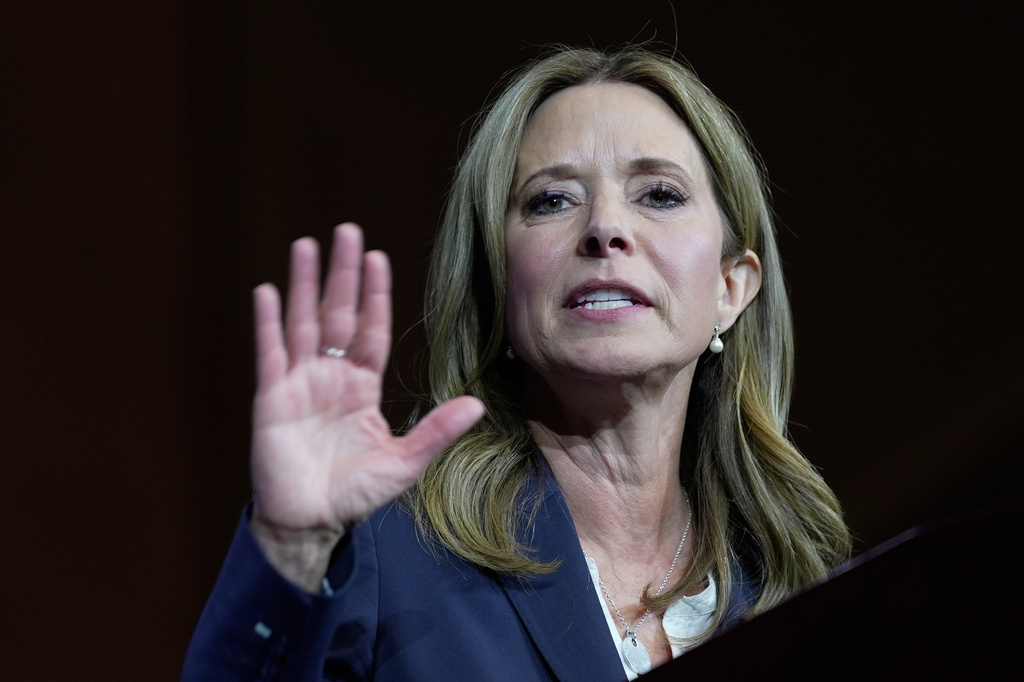

Trump falsely says Ohio gubernatorial candidate Amy Acton wants to double Ohio income taxes
If your time is short
- President Donald Trump’s statement is based on Republican Vivek Ramaswamy’s Ohio gubernatorial campaign estimates that the proposals of his Democratic opponent, Amy Acton, would require more than $21 billion in additional annual spending, more than double the state’s current income tax revenues.
- That figure relies on broad and poorly sourced estimates that go beyond the scope of Acton’s proposals.
- Acton’s platform includes tax cuts for working families and child tax credits, but her campaign said she would not raise the state income tax to fund them.
As Ohio voter polls show Democrat Dr. Amy Acton narrowly pulling ahead in the gubernatorial race, President Donald Trump urged his supporters to cast their ballots for her Republican opponent Vivek Ramaswamy.
Acton, Trump said at a Oct. 12 rally in Youngstown, closed schools and businesses during the COVID-19 pandemic, when she was the state’s chief health officer. Now, Trump warned, she would make Ohioans’ lives more expensive.
“Amy Acton is trying to double your state income tax,” he said.
Ramawamy’s platform includes eliminating the state income tax, and his campaign and the Ohio Republican Party have repeated the accusation during what has become a contentious race to replace Republican Gov. Mike DeWine, who is term-limited. The claim has appeared in pro-Ramaswamy ads, a Ramaswamy campaign-funded website, social media posts and a state GOP press release.
When PolitiFact asked the White House for evidence that Acton supports doubling Ohio income taxes, a spokesperson pointed us to the Republican National Committee, which in turn directed us to the Ramaswamy campaign’s website, “Can’t Afford Amy Acton.”
The website’s calculations estimate that Acton’s proposals would cost more than $21 billion annually and says paying for them would require Ohio to double its state income tax. But that total is based on math that makes broad and unsupported assumptions about Acton’s policy proposals and how widely they would apply to Ohioans.
Ohio Department of Taxation figures show that the state collected about $11 billion in individual income taxes in fiscal 2025. We found no evidence that Acton supports doubling those proceeds by raising income taxes.
Her campaign has proposed tax credits for working families and changes to tax policies affecting wealthy Ohioans and businesses, but it has provided no comprehensive explanation of how much this plan would cost or how she would fund it. Still, one expert we spoke to said $21 billion is an exaggeration.
What are Acton’s policy proposals?
Acton’s platform includes a working families tax cut that would provide an additional $1,778 to married couples that have two children and are earning $60,000 annually.
The plan includes an earned income tax credit for up to 775,000 working families and a child tax credit of $1,000 annually per child ages 0 through 6 and $500 per child ages 7 through 18 in families earning up to $85,000. The campaign said the child tax credit would benefit more than 1.4 million children and their families.
What Acton calls her “affordability plan” includes lowering prescription drug prices, relieving medical debt, reducing health insurance premiums and addressing energy costs. Her campaign said increasing state support for public schools could ease pressure on local property taxpayers.
Acton’s campaign also proposes closing tax loopholes for wealthy Ohioans and reducing tax exemptions for data centers.
Examining Ramaswamy’s estimates
Ramaswamy’s website cites several of Acton’s proposals, including medical debt relief and child care assistance, to support its estimate that her agenda would cost more than $21 billion annually. But PolitiFact found that’s based on unrealistic estimates that don’t align with the details Acton has released about her plans.
For example, Ramaswamy’s campaign estimated that Acton’s medical debt forgiveness proposal would cost taxpayers $15.1 billion annually. The website says it arrived at that figure by multiplying an estimated 810,000 Ohioans who have medical debt by $18,660, the national average of medical debt in the United States from 2021.
Daniel Skinner, an expert in health policy from Ohio University, said the $15.1 billion figure lacks credibility in part because it “assumes every person with medical debt would be eligible.” It also calls the cost “annual” even though buying and retiring existing debt would be largely a one-time expense, he said.
Ramaswamy’s website also criticizes what it says is Acton’s plan to provide childcare subsidies. After Acton said in March that childcare for two children costs $25,000 annually, Republicans interpreted that to mean she was calling for universal paid childcare. They said that would cost the state $5.6 billion annually.
The campaign arrived at that number by multiplying all 520,000 Ohio households with a child younger than 6 by $13,000 in what it said are annual per-child child care costs, then subtracting the $1.1 billion that the state already spends on childcare through the Department of Children and Youth.
Acton has said she wants to expand access to safe, affordable child care and preschool, but she has not specifically called for universal, government-funded child care.
Ohio’s program already subsidizes child care for eligible families, with the state paying a portion of the cost and the families responsible for a co-payment. Heather Smith, a child care policy expert at the nonprofit research think tank Policy Matters Ohio, said those family contributions matter when estimating how much the state would spend to expand access to child care.
“Only families making under the federal poverty level are not required to pay a co-pay for child care, meaning the state government would not be shouldering the full cost of child care for all families if it were to expand eligibility,” Smith said.
Our ruling
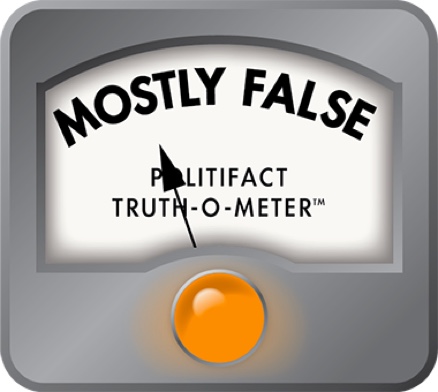
Trump said Acton “is trying to double your state income tax.”
That’s based on an estimate from Ramaswamy’s campaign that Acton’s proposals would cost more than $21 billion in additional annual spending.
But that figure is based on broad and poorly sourced estimates that assume more people would benefit from Acton’s proposals than her proposals themselves outline. Ramaswamy’s estimate also makes false assumptions about Acton’s platform, including that she supports universal paid childcare, when she has not said that.
Acton’s platform includes providing tax cuts to working families and child tax credits, and although she has not provided detailed information about how she would pay for these proposals, her campaign said she would not raise the state income tax to fund them.
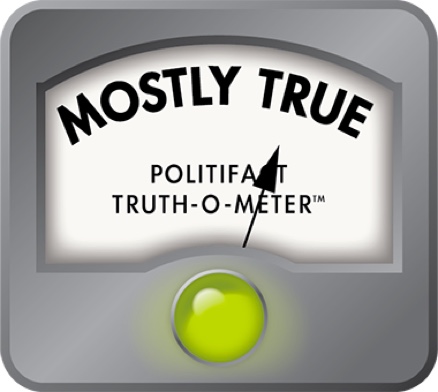
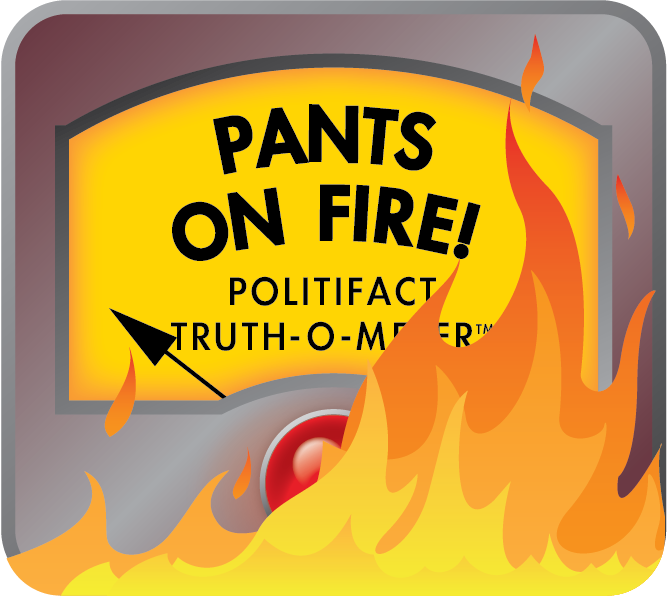
We rate this claim False.
Our Sources
Email interview with Amy Acton campaign spokesperson, Oct. 14, 2026
Email interview with Vivek Ramaswamy campaign spokesperson, Oct. 13, 2026
Email interview with Hunter Lowell, RNC spokesperson, Oct. 14, 2026
Email interview with Heather Smith, child care policy expert at Policy Matters Ohio, Oct. 16, 2026
Email interview with Daniel Skinner, health policy expert at Ohio University, Oct. 16, 2026
Amy Acton for Governor, “Affordability Agenda”, accessed Oct. 13, 2026
Amy Acton for Governor, “Education”, accessed Oct. 13, 2026
Vivek Ramaswamy on X, “Ohio can’t afford to trust Amy Acton again. She owes our state an apology,” April 14, 2026
Facebook, “Cant Afford Amy Acton” advertisement
“Can’t Afford Amy Acton” campaign website, campaign cost estimates, accessed Oct. 13, 2026
MultiState.us, “Ohio Governor Race 2026: Ramaswamy vs. Acton,” accessed Oct. 27, 2026
Third Way, “Medical Debt Continues to Hammer the Middle Class”, March 19, 2024
Health Policy Institute of Ohio, 2025 Medicaid study on coverage and costs, June 2025
Community Solutions, “The Burden of Childcare Costs on Ohio Families”, Jan. 19, 2026
CNBC, “How Much Child Care Costs in Every U.S. State”, April 12, 2025
Policy Matters Ohio, “Ohio’s Childcare Crisis”, April 15, 2025
Ohio Department of Taxation, “Local Government Fund”, accessed Oct. 16, 2026
Ohio Capital Journal, “Both Candidates for Ohio Governor Promise Tax Relief but Are Slim on Details”, July 16, 2026
Fair School Funding Plan, official website, accessed Oct. 16, 2026
Ohio Legislative Service Commission, “Current Ohio Facts: School Choice Programs”, November 2025
Ohio Department of Taxation, 2025 Annual Report, 2025
Ohio Office of Budget and Management, Monthly Financial Reports, accessed Oct. 16, 2026
Federal Reserve Bank of St. Louis, Ohio Individual Income Tax Collections, accessed Oct. 16, 2026
Ohio Department of Children and Youth, “Child Care”, accessed Oct. 26, 2026
Ohio Administrative Code, “Rule 5180:2-16-10”, June 24, 2024
Ohio Department of Children and Youth, “Step Up To Quality”, accessed Oct. 26, 2026
Ohio Administrative Code, “Chapter 5180:2-12”, accessed Oct. 26, 2026
Ohio Administrative Code, “Rule 5180:6-1-10”, accessed Oct. 26, 2026