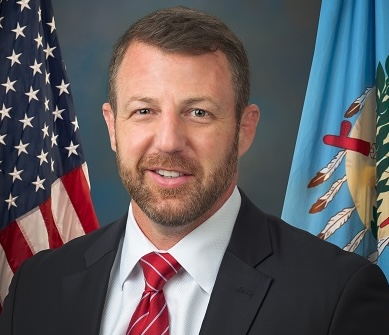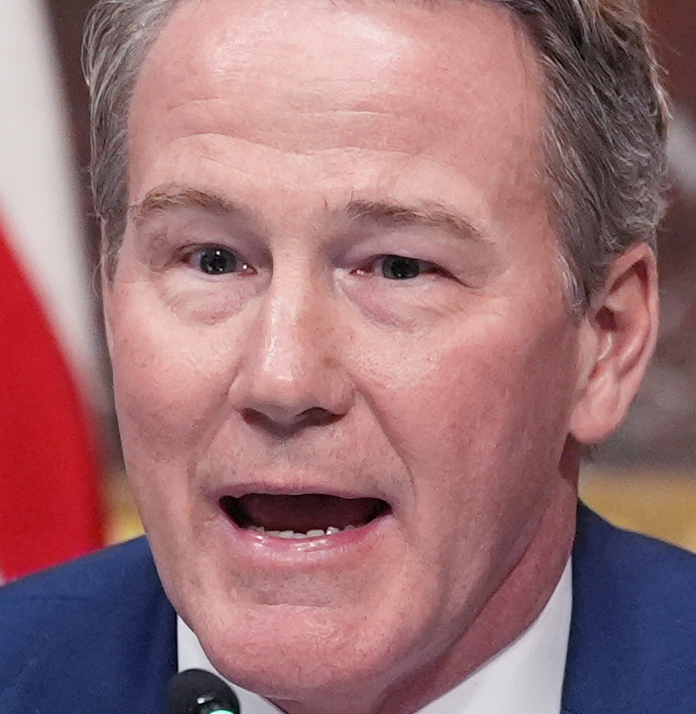
When he was a senator, Sherrod Brown “supported Social Security payments for illegals, healthcare for illegals and COVID checks for illegals.”
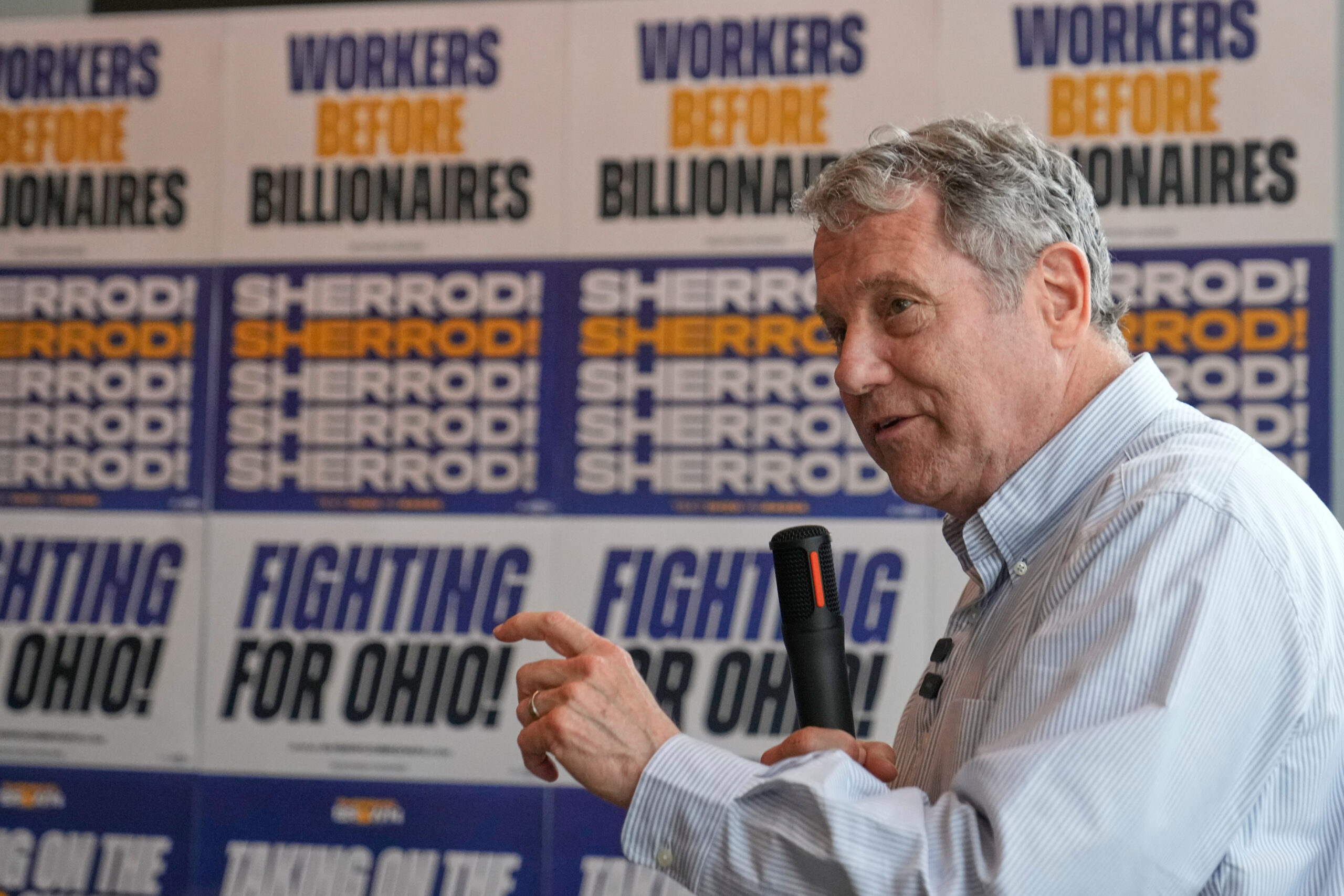

Jon Husted’s inaccurate claim that Sherrod Brown voted for benefits for immigrants in US illegally
If your time is short
- As senator, Sherrod Brown cast votes on immigrants’ eligibility for Social Security, healthcare and COVID-19 stimulus checks in 2007, 2013 and 2021, respectively. But the bills did not provide benefits for immigrants in the U.S. illegally.
- The 2007 Social Security vote addressed how immigrants’ past tax payments are counted once they gain legal status. A 2013 vote on healthcare would not have legalized paying benefits to people in the U.S. illegally, because federal law already barred such payments.
- Brown’s 2021 vote on COVID-19 stimulus payments came after Congress already outlawed stimulus payments to the vast majority of immigrants in the U.S. illegally.
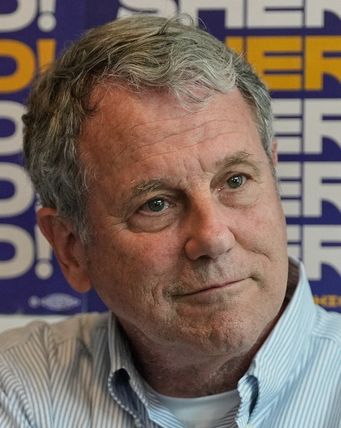
As former Democratic Sen. Sherrod Brown seeks to oust Republican Sen. Jon Husted in Ohio, some of Brown’s past Congressional votes have become targets for criticism — again.
During an Aug. 4 Fox News interview, Husted said Brown “supported Social Security payments for illegals, healthcare for illegals and COVID checks for illegals.”
Brown faced the same accusations in 2024 from his then-challenger, Republican Bernie Moreno, who defeated Brown in his race for a fourth Senate term.
Brown cast votes on Social Security, healthcare and COVID-19 relief while a senator, but the votes that Husted’s campaign pointed to would not have provided any federal benefits to immigrants in the country illegally.
Some of the measures he voted on stemmed from a practice both parties engage in: forcing members of the other political party to vote on amendments that don’t align with the party’s positions, and using those votes in later campaign messaging.
Social Security amendment would have applied to legal residents
Husted’s team cited Brown’s July 19, 2007, vote against an amendment that would have prevented immigrants who were once in the U.S. illegally but later became legal residents from receiving Social Security credit for taxes paid before they gained legal status.
However, Brown’s vote would not have allowed Social Security benefits to be given to people who were in the country illegally. Rather, any benefits would be received only after they had become legal residents.
Husted’s assertion also cherry-picked Brown’s votes. A few months after the first vote, in October 2007, Brown voted in favor of an amendment that would have blocked immigrants from receiving Social Security credit for taxes paid while they were in the country illegally. This amendment did not address the scenario in which someone gained legal status later.
Measure wouldn’t have changed healthcare benefit recipients
Husted’s campaign cited Brown’s March 23, 2013, vote against an amendment introduced by then-Sen. Jeff Sessions, R-Ala., said immigrants in the U.S. illegally should not be eligible for federally subsidized healthcare.
However, the amendment would not have changed who could receive those benefits, because federal law already prohibited immigrants in the country illegally from receiving Medicaid, the Children’s Health Insurance Program and Affordable Care Act subsidies.
The same day in 2013, the Senate considered an amendment reaffirming that immigrants who are in the country illegally cannot receive federal benefits. That amendment passed by voice vote. Although the vote was not recorded by the individual senators’ names, Brown’s campaign told PolitiFact he voted for it.
Stimulus check recipients were already limited
Brown voted for the 2021 American Rescue Plan Act that included $1,400 stimulus checks for millions of Americans during the COVID-19 pandemic.
As the bill was being considered, Republicans offered an amendment to prevent stimulus checks from going to immigrants in the country illegally — specifically, it said anyone who is “not lawfully present” in the U.S. should not receive a stimulus check.
The bill already included provisions preventing people in the U.S. illegally from receiving such checks by requiring recipients to have valid Social Security numbers. But Republican backers of the amendment said they aimed to close a potential loophole that could allow some recipients of the Deferred Action for Childhood Arrivals program to receive stimulus payments.
DACA, established in 2012, protects eligible immigrants who were brought to the U.S. as children from deportation and allows them to obtain work authorization and valid Social Security numbers. Some DACA recipients might have qualified for COVID-19 stimulus payments because they have Social Security numbers.
Brown voted against this March 6, 2021 amendment. But Husted’s claim ignored the provision’s practical scope: The overwhelming majority of immigrants in the country illegally were already excluded from receiving relief checks because they lacked qualifying Social Security numbers.
Our ruling
Husted said Brown “supported Social Security payments for illegals, healthcare for illegals and COVID checks for illegals.”
The votes in question — in 2007, 2013 and 2021, respectively — did not make immigrants in the country illegally eligible for those benefits.
The Social Security vote addressed how past tax payments would be counted for immigrants who later gained legal status. The healthcare vote would not have legalized the payment of benefits to people in the U.S. illegally, because federal law already bars such payments. Similarly, the COVID-19 relief bill already outlawed stimulus payments to the vast majority of people in the U.S. illegally.
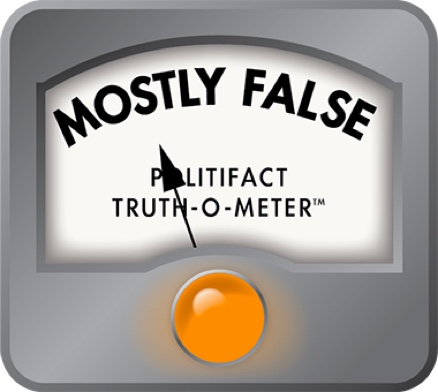
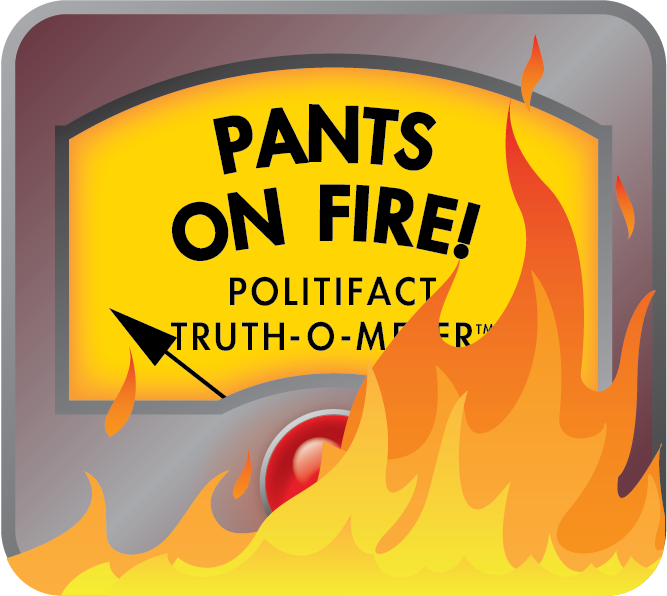
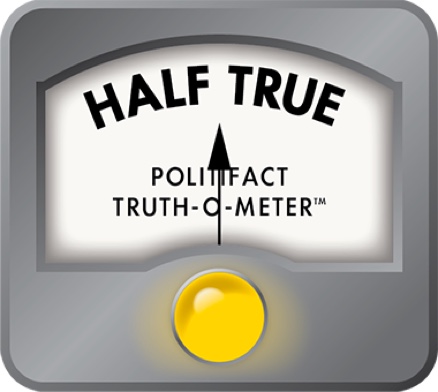
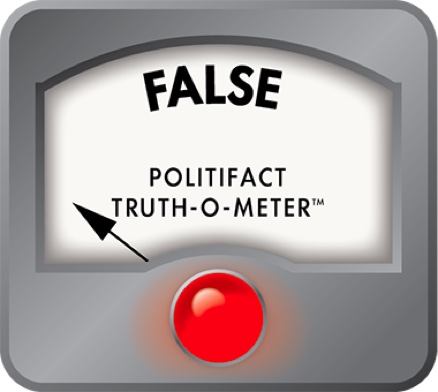
We rate this claim False.
Our Sources
Fox News, WATCH: GOP senator unloads on ‘creature of Washington’ challenger in critical Senate showdown, Aug. 4, 2026
PolitiFact, U.S. Sen. Sherrod Brown voted to “give illegals taxpayer funded stimulus checks, health care, even Social Security,” Aug. 20, 2024
CNN, Here’s what a ‘vote-a-rama’ is (and what it means for Democrats’ energy and health care bill), Aug. 4, 2022
U.S. Citizen and Immigration Services, Consideration of Deferred Action for Childhood Arrivals (DACA), Feb. 24, 2025
Senate.gov, Vote on Amdt. No. 2355, July 19, 2007
Senate.gov, Vote on Amdt. No. 3325, Oct. 23, 2007
Senate.gov, Vote on Amdt. No. 614, March 23, 2013
Senate.gov, Vote on Amdt. No. 968, March 6, 2021
Congress.gov, Text of Amdt. No. 705, March 23, 2013
Congress.gov, Text of H.R. 1319, Feb. 24, 2021
House.gov, Text of Public Law 104-193 (110 Stat. 2260), Aug. 22, 1996,
Phone interview with Katie Jevin, Sherrod Brown’s deputy communications director, Aug. 18. 2026
Email interview with Amy Natoce, Jon Husted’s communications director, Aug. 18. 2026