“I don’t own a single individual stock.”
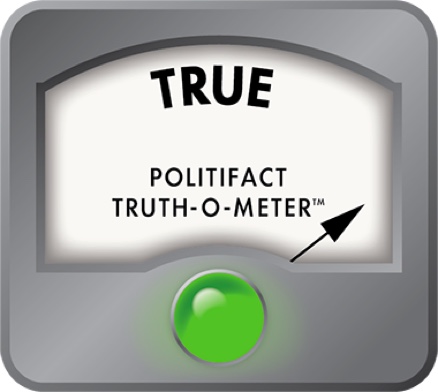

Republican congresswoman Miller-Meeks says she doesn’t own individual stocks. True.
If your time is short
- U.S. Rep. Mariannette Miller-Meeks, R-Iowa, has advocated for restricting stock trading in Congress.
- Congressional financial disclosure forms show that Miller-Meeks does not own individual stakes in corporations.
- Miller-Meeks owns shares in pooled investment funds which raise fewer ethical concerns than individual stocks, an expert said.
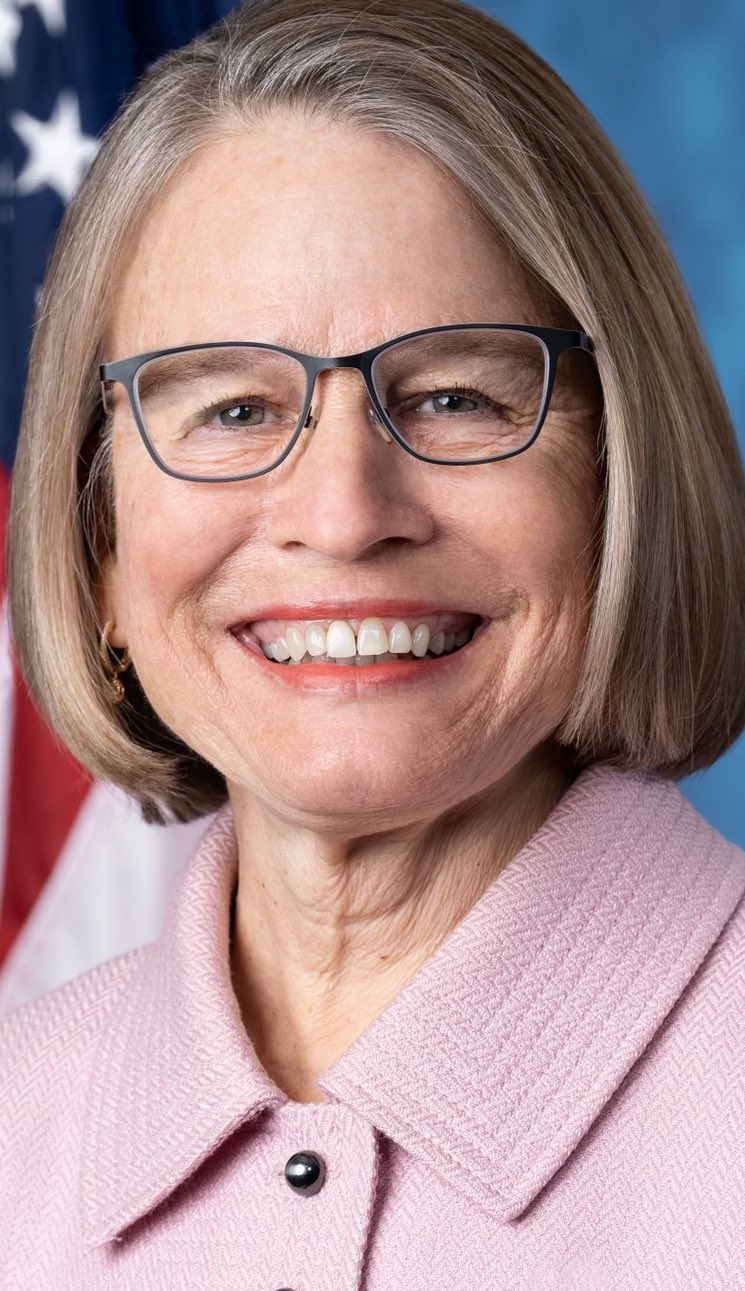
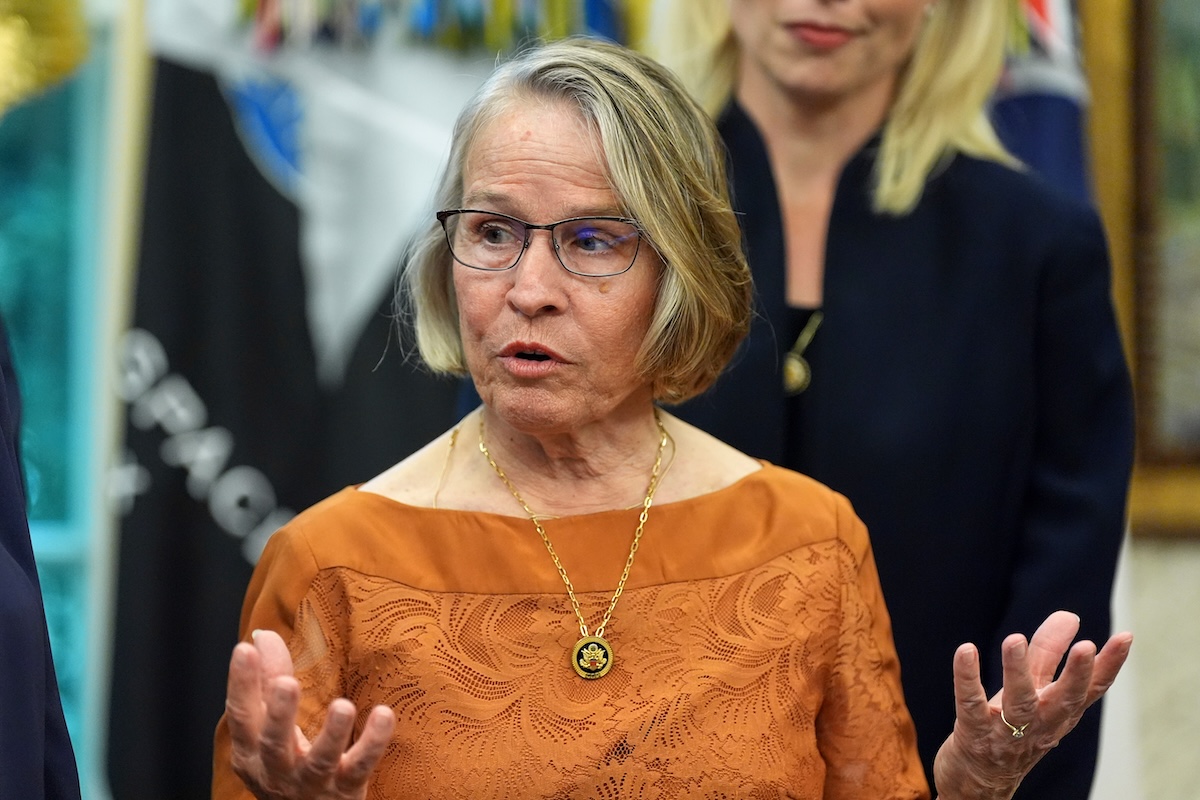
Facing a tight reelection campaign, U.S. Rep. Mariannette Miller-Meeks, R-Iowa, said she owns no individual stocks.
Amid public discussion of tightening rules on lawmakers’ stock trades, Miller-Meeks said in a Sept. 2 Facebook post, “I don’t own a single individual stock, and members of Congress shouldn’t either.”
Miller-Meeks’campaign referred PolitiFact Iowa to her congressional financial disclosure forms, which require her to list the assets she owns and the income she earns. They show that she owns broad funds composed of many different companies’ shares, but no individual company stocks.
Meeks’ attention to curbing congressional stock trading
A 2025 report by Campaign Legal Center, which tracks campaign finance and ethics, found 48% of members of Congress who filed financial disclosures in 2025 reported owning stakes in individual corporations.
Stock trading in Congress is problematic because lawmakers can reap benefits from owning stock in industries they have policy sway over, according to the liberal Brennan Center for Justice. Lawmakers may have access to information that is not publicly known but which can impact public markets.
Miller-Meeks supported H.R.7008, which would have prohibited members of Congress and their families from purchasing individual financial assets and would have introduced a framework for selling shares. It passed in the House on July 22, but later failed in the Senate in a procedural vote.
What Miller-Meeks’ disclosure forms show
House members are required to file annual financial disclosure forms with the chamber’s clerk.
Miller-Meeks’ 2020 through 2025 forms show she has mutual funds and retirement accounts — and no individual shares in corporations. There were errors, however, in Miller-Meeks’ 2019 and 2020 candidate disclosures which misstated her earned income, according to Bleeding Heartland.
Miller-Meeks holds a Vanguard Healthcare Fund Admiral Shares account, a healthcare sector-specific mutual fund, along with a Vanguard Healthcare Fund IRA, and a Dimensional Fund Advisors, or DFA, Global Real Estate sectoral fund.
Other mutual fund accounts include DFA Global Two Year Fixed Income, a Vanguard short-term treasury fund, and a TD Ameritrade Money Market fund.
Generally, individual stocks are considered more ethically problematic for a lawmaker, because they could buy or sell a company’s shares based on private information they know from their role in Congress. That’s not as significant a risk for a broad mutual fund made up of a wide array of stocks from different sectors.
Lawmakers, regardless, have the information about what companies are included in a given mutual fund.
Campaign Legal Center’s 2025 report evaluated members of Congress based on their ownership of different classes of financial assets, identifying Miller-Meeks as a holder of a “widely held investment fund,” and not a stock owner or holder of a qualified blind trust.
Thomas Rietz, a University of Iowa professor of finance, said having a stake in particular companies could tempt a politician to support particular bills that could benefit their holdings.
Mutual funds create a barrier between the investor and the specific company in which they invest, Rietz said.
Mutual funds and exchange-traded funds, or ETFs, raise fewer ethical concerns than individual stocks, said Kedric Payne, Campaign Legal Center’s senior director of ethics. As a result, mutual funds and ETFs have not become part of the conversation over tightening restrictions on lawmakers.
Our ruling
Miller-Meeks said, “I don’t own a single individual stock.”
Miller-Meeks’ financial disclosure forms show she owns mutual funds, pensions, and retirement accounts but no individual stocks.
We rate Miller-Meeks’s statement True.
Our Sources
Mariannette Miller-Meeks, Facebook post, Sept. 2, 2026
Vanguard, Investing in individual stocks & other ETFs, accessed Oct. 12, 2026
Investor.gov, Mutual Funds, accessed Oct. 12, 2026
Brennan Center for Justice, Congressional Stock Trading Explained, Sept. 4, 2025
U.S. Congress, Congressional financial disclosure rules, May 30, 2023
U.S. Congress, Stop Insider Trading Act, Jan. 12, 2026
Campaign Legal Center, Congressional Stock Trading By the Numbers, Nov. 12, 2025
U.S. House Clerk, Mariannette Miller-Meeks financial disclosures, accessed Sept. 29, 2026
Email interview with Mariannette Miller-Meeks campaign, September 2026
Phone interview with Kedric Payne, Campaign Legal Center vice president, general counsel and senior director of ethics, October 2026
Phone interview with Thomas Rietz, University of Iowa professor of finance, October 2026
Bleeding Heartland, Mariannette Miller-Meeks misreported earned income in 2020, Oct. 12, 2021