As AI detects flaws in computer systems, is it causing more tech outages and disruptions?
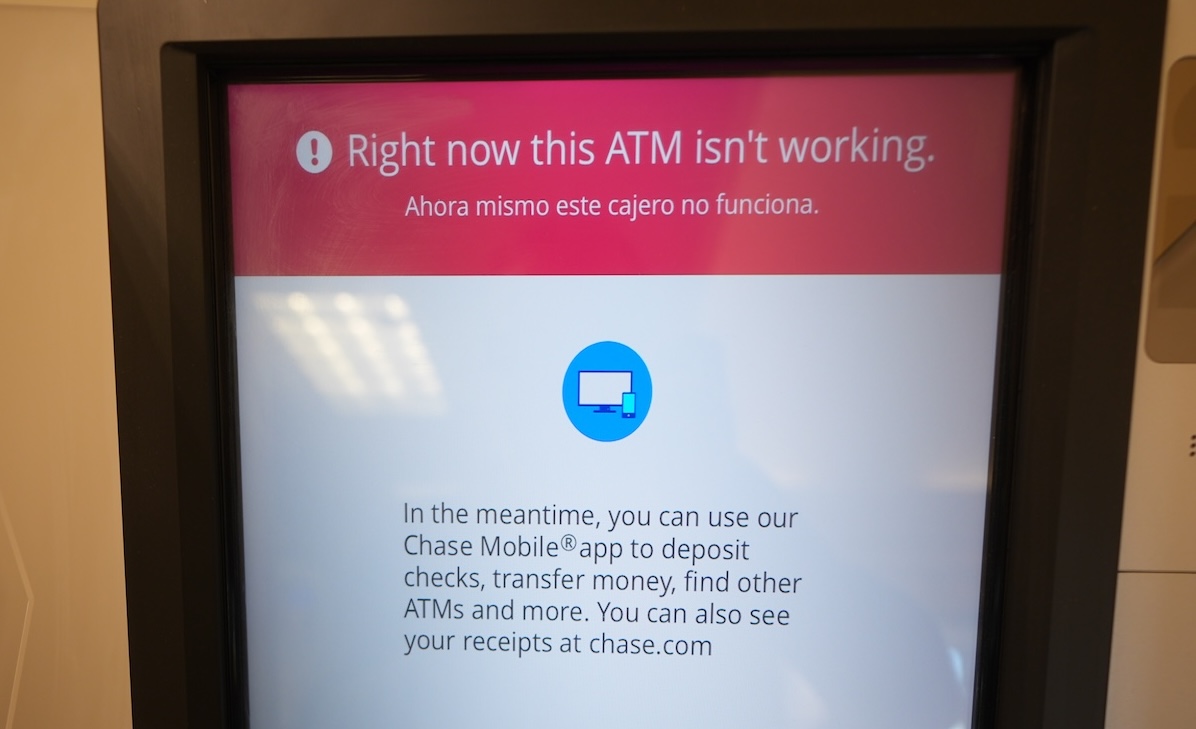

In the span of one week, Microsoft services went down, flights were grounded nationwide, some banks’ services briefly stopped working and an internal platform for the National Security Agency went dark.
It left people wondering: Is artificial intelligence the culprit?
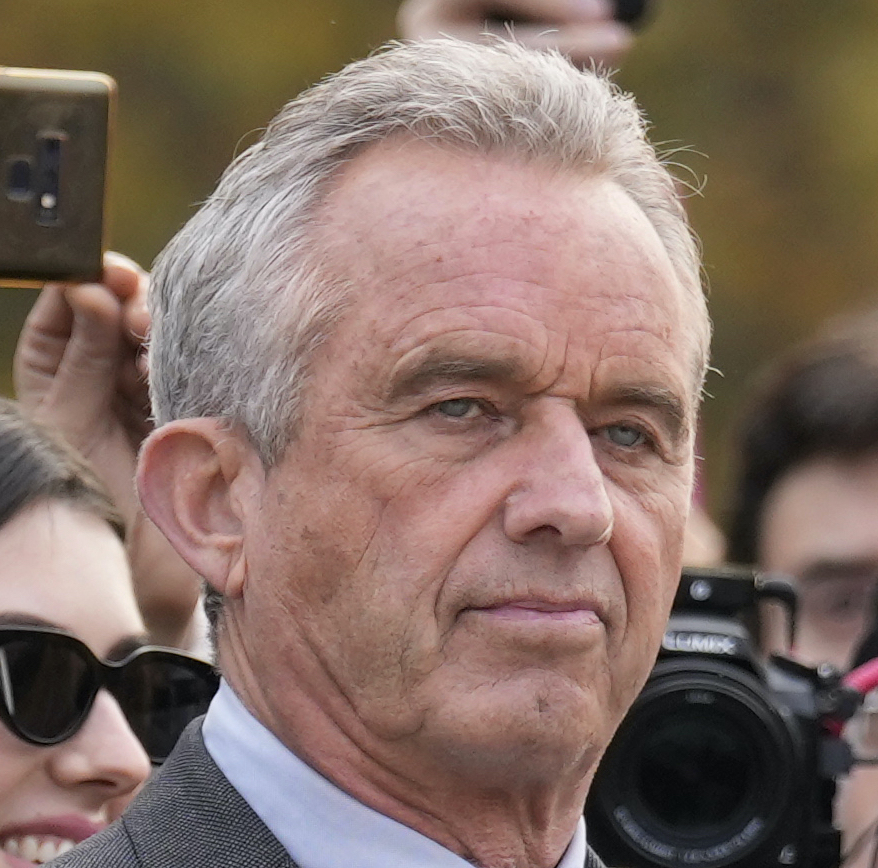
In a Fox News interview, Homeland Security Secretary Markwayne Mullin said he asked someone in the tech industry what could be causing the outages, and that person believed it’s “super intelligence,” the Trump administration’s preferred term for AI (they’re not the same thing).
“That kinda makes sense to me, because I can tell you with 98% certainty, we’re not seeing the cyberattack, no one’s out there taking claims for it,” Mullin said Nov 17.
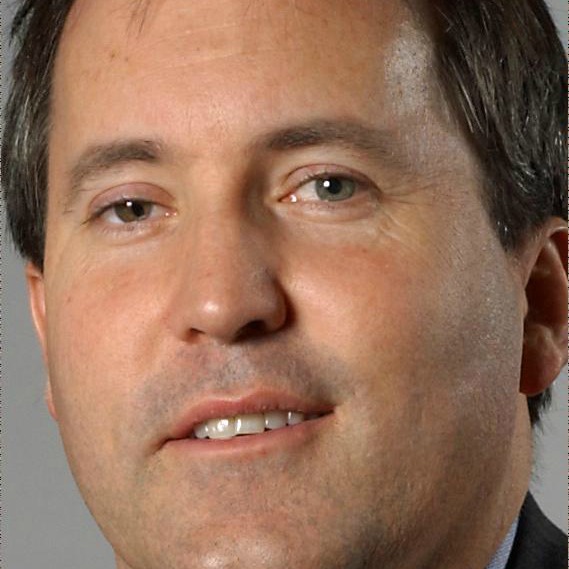
In a separate Nov. 17 Fox Business interview, National Intelligence Director Jay Clayton pointed to flaws that AI detected in a programming language used in systems across the world, and he said fixing them caused unexpected problems.
“The patching that has gone on following that has caused some of these systems to not come back up when you patch them as expected. That is what has happened at the NSA today,” he said.
Senate Intelligence Committee Vice Chairman Sen. Mark Warner, D-Va., said some of the recent outages were “AI-related.”
“What’s happened is that these AI tools, what they’ve been able to do is spot vulnerabilities in all of our existing systems,” Warner said in a Nov. 18 CNBC interview. “Then all of these companies are in this mad rush to create patches because nobody wants to have their system vulnerable.”
High-profile AI hacks have happened this year, but there’s no indication that the recent outages were the result of AI-related cyberattacks or rogue AI agents.
Experts say AI is boosting companies’ ability to detect weaknesses in their systems, and therefore requiring more fixes, which could lead to outages. But no evidence has shown that caused the recent string of tech disruptions.
“Vulnerabilities are being discovered and exploited faster than ever before, especially with increasingly capable AI models,” said Bryan Ward, a Vanderbilt University computer science assistant professor.
How AI is helping detect system flaws
In the past, organizations would task specialists with finding flaws in their software systems, said Stuart Madnick, an MIT Sloan School of Management information technology professor.
Now, AI is often able to do this 10 to 100 times faster than humans, Madnick said. If an organization previously found four or five flaws in a year, they would now be aware of 40 to 400.
“The question is: Is (it) the fixing that’s causing the problem, or the fact you got 400 open windows and doors in your system that are now known that’s causing a problem?” Madnick said.
Leading AI companies, such as OpenAI and Anthropic, have released sophisticated models that have uncovered serious vulnerabilities in software. On Nov. 17, a cybersecurity start-up using an OpenAI model found a critical software flaw in a programming language used by government agencies, banks, hospitals and the majority of Fortune 500 companies.
To give a sense of the volume of fixes deployed by one major company, the cybersecurity firm Qualys reported that Microsoft addressed 1,235 vulnerabilities in November, compared to 68 in November 2025.
More secure software systems must be built in the future, Ward said, but there is an immediate need to fix problems now.
No evidence so far that the tech outages are connected to each other
Based on what the government and affected companies have reported so far, the outages did not happen because of a common weakness.
Microsoft said it had a technical issue unrelated to AI or AI agents, and the problem stemmed from a “network capacity upgrade.” It hasn’t given more details.
The nationwide ground stop happened after a router upgrade disrupted the FAA telecommunications infrastructure, government officials said. Investigators haven’t determined whether there was an installation error or a faulty router, but they have ruled out an AI system the FAA recently rolled out.
JPMorganChase attributed its outage to a “temporary issue related to a software bug in on-premise hardware systems.”
Unintended consequences, such as services becoming unavailable, can be a trade-off when companies update their systems, said Nicholas Leiserson, president of the Center for Advancing Cybersecurity at the Institute for Security and Technology.
“That’s like a perennial challenge that has existed in information technology operations for a long time, and AI can potentially accelerate it,” he said.
Before an outage, people can protect their personal devices and information by:
- Keeping software updated.
- Using strong passwords, and not reusing them across websites. A password manager can help store passwords securely.
- Using multifactor authentication.
- Keeping a data backup.
“I think recent events should be a wake-up call and the public should take the opportunity to improve their cybersecurity posture,” Ward said. “Recent outages demonstrate how critical and intertwined software systems have become in our society today, and how important cybersecurity truly is.”
Our Sources
Fox News YouTube video, ‘The homeland is SECURE’: DHS secretary urges Americans to ‘breathe’ amid tech disruptions, Nov. 17, 2026
PolitiFact, Trump renamed AI to ‘super intelligence.’ That label means something already., Oct. 7, 2026
Fox Business YouTube video, This is NOT a CYBERATTACK: US director of national intelligence, Nov. 17, 2026
CBS News YouTube video, Watch: Rubio says there is “zero evidence” recent tech outages are related, Nov. 17, 2026
CNBC, Sen. Mark Warner: AI tools are driving recent system outages, Nov. 18, 2026
The Washington Sun, Bank CEOs, NSA Tell Congress That AI-Driven Patches Are Behind Outages, Nov. 17, 2026
PolitiFact, AI agents are hacking without human oversight. How did we get here?, Aug. 31, 2026
The New York Times, A.I. Helps Find Major Security Bug in Java, a Software Platform Vital to the Internet, Nov. 17, 2026
Qualys, Microsoft and Adobe Patch Tuesday, November 2026 Security Update Review, Nov. 13, 2026
Qualys, Microsoft Patch Tuesday, November 2025 Security Update Review, Nov. 14, 2025
National Cyber Security Centre, Log4j vulnerability – what everyone needs to know, Dec. 14, 2021
Microsoft, X post, Nov. 13, 2026
PolitiFact, Posts linked an AI company to Sean Duffy’s family. Its AI system did not cause the FAA ground stop, Nov. 18, 2026
Chase, X post, Nov. 16, 2026
Email interview with Bryan Ward, assistant professor of computer science, Vanderbilt University, Nov. 18. 2026
Email interview with Jason Healey, senior research scholar, Columbia University School of International and Public Affairs, Nov. 18, 2026
Phone interview with Stuart Madnick, information technology professor, MIT Sloan School of Management, Nov. 18, 2026
Phone interview with Nicholas Leiserson, president of the Center for Advancing Cybersecurity, Institute for Security and Technology, Nov. 18, 2026