4 facts to stay informed during a Legionnaires’ disease outbreak in New York City

If your time is short
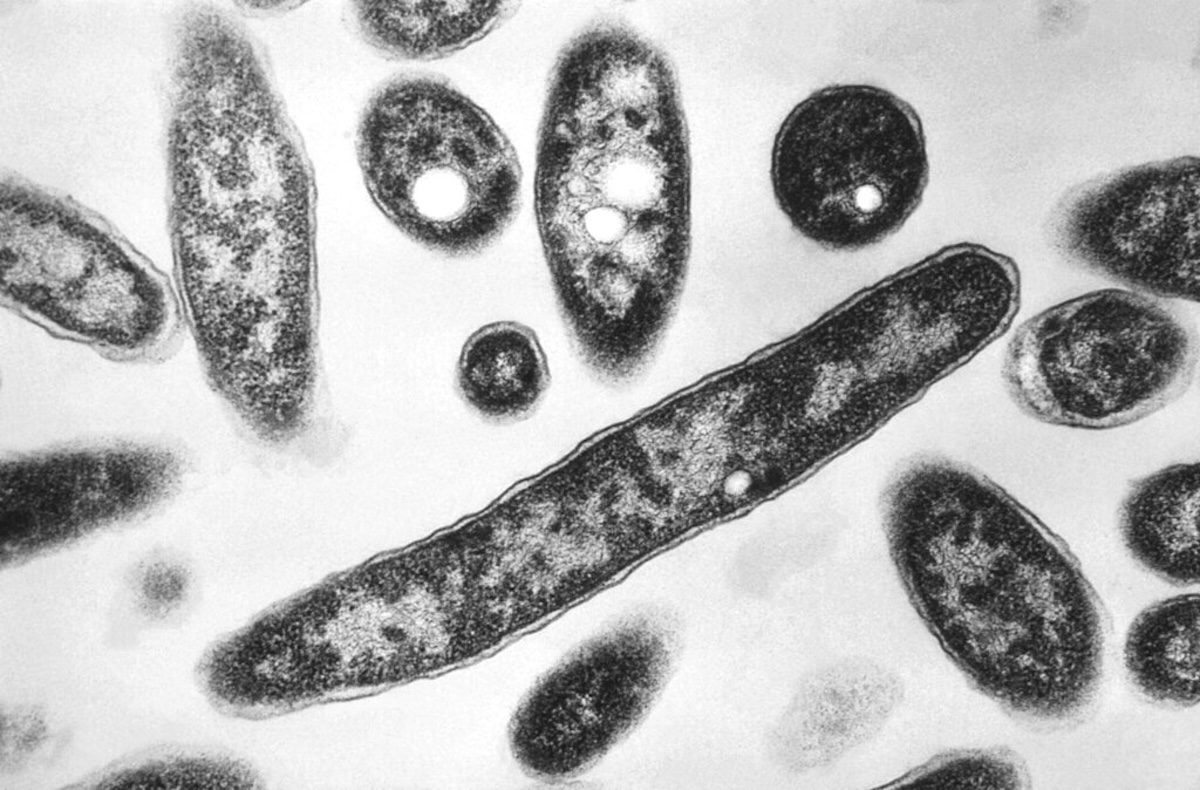
- Legionnaires’ disease is a serious bacterial pneumonia most often spread when someone breathes in water droplets contaminated with legionella bacteria, which grows best in warmer, stagnant or standing water. It doesn’t spread from person to person.
- Anyone can get Legionnaires’ disease, but people are more at risk if they’re over age 50, immunocompromised or smoke. Black people and people with lower incomes tend to have higher rates of the illness.
- In the U.S., cases of Legionnaires’ disease have been rising since about 2000. Scientists have not identified precisely why, but factors including climate change and declining air pollution could be contributing to the increase.
As a third person died from Legionnaires’ disease in New York City this month, public health officials said they believed the outbreak’s bacterial source had been eliminated.
Testing found living or dead legionella bacteria in 76 Upper East Side cooling towers on buildings, including in museums, private schools and expensive apartment complexes.
The city ordered owners to drain, clean and disinfect the cooling towers that tested positive for the bacteria, and officials say that remediation was complete as of July 18. By that point, 74 people had been diagnosed with the illness. And although eight people remained hospitalized with the disease a day later, the city’s health department said newly diagnosed cases were declining.
For people outside of New York, this outbreak may seem isolated, but Legionnaires’ disease cases have been steadily rising across the country in recent years. Here are four things to keep in mind.
#1: Legionnaires’ disease is a serious bacterial pneumonia most often spread through contaminated water vapor droplets.
Most Legionnaires’ disease cases occur when someone breathes in mist or water vapor — such as the spray or steam from a shower or sink — contaminated with legionella bacteria, which then infects the lungs.
It doesn’t spread from person to person.
Swallowing water containing the bacteria won’t infect you, but you can be infected if you aspirate contaminated water by coughing or choking while drinking — sometimes described as water “going down the wrong pipe.”
Although legionella bacteria exists naturally in lakes and soil, human-made water systems where bacteria can thrive pose the greatest risk of infection, Johns Hopkins Medicine reported.
Legionnaires’ disease cases have been linked to hot tubs, hot water tanks and heaters, humidifiers, fountains, swimming pools, birthing pools, surgical intubation and drinking water systems.
Outbreaks like the one in New York City have been tied to large air-conditioning systems in buildings such as hotels, high-rises and hospitals that use cooling towers filled with water to remove heat. If legionella bacteria grows in the cooling tower water, it can be circulated throughout the building’s air, according to Johns Hopkins Medicine. (AC systems in smaller homes and cars aren’t a potential outbreak source because they don’t rely on water.)

#2: Smokers, older adults and immunocompromised people are most at risk.
Anyone can get Legionnaires’ disease, but exposure to legionella bacteria doesn’t guarantee someone will.
People are most at risk of developing the illness and experiencing complications if they are over age 50, have a weakened immune system, have smoked or have chronic respiratory disease or another serious condition such as emphysema, diabetes or cancer. Black people and people with lower incomes also have higher rates of Legionnaires’ disease, according to an archived Centers for Disease Control and Prevention page. A 2022 CDC study of Legionnaires’ disease’s epidemiological patterns found that the average incidence of the illness was twice as high among Black people than among white people.
Legionnaires’ disease can cause life-threatening complications such as respiratory failure, heart inflammation or kidney failure.
Doctors often prescribe antibiotics to kill legionella bacteria and that typically cures Legionnaires’ disease. Most people with Legionnaires’ disease need hospital care but will fully recover, especially with early treatment, according to the American Lung Association.
#3: Annual cases of Legionnaires’ disease have been largely rising since the early 2000s.
CDC data shows that since 2000, annual incidence of Legionnaires’ disease in the U.S. has increased. Cases peaked in 2018 and then dropped in the first year of the COVID-19 pandemic before resurging, but they have not returned to the lower levels recorded in the early and mid-2000s.
Scientists have not identified the exact cause of this steady increase, but factors including climate change could be contributing.
Researchers expect waterborne illnesses to rise as climate change drives changes in conditions such as temperature, heavy rainfall, flooding and drought.
A 2026 Diagnostic Microbiology & Infectious Disease study found that rising temperatures driven by climate change are increasing the risk of Legionnaires’ disease. A 2023 study published in the Epidemiology & Infection journal found that more precipitation was associated with elevated risk of Legionnaires’ disease, as were higher temperatures and relative humidity, though those factors’ influences were more moderate.
Declining air pollution could also play a role. A 2024 PNAS Nexus study found that the uptick in cases of Legionnaires’ disease correlates with a decrease in acidic sulfur dioxide air pollution in the U.S. Higher acidity in water droplets is less hospitable for legionella bacteria, so the researchers argued that declining sulfur dioxide pollution could be linked to rising cases of Legionnaires’ disease.
#4: Legionnaires disease once sparked wild conspiracy theories.
The illness was first documented during a large July 1976 outbreak that drew national attention. Everyone who was sick had attended the American Legion Convention in Philadelphia and stayed at the same hotel. Within a week of the conference’s end, over 200 people had become sick and 34 had died. Fearing a greater outbreak, the CDC sent a large team of epidemiologists to investigate, but the scientists couldn’t quickly pinpoint its cause.
The unknowns drove speculation and sparked conspiracy theories. Given that the country was celebrating its bicentennial and many victims were veterans, some theorized that a foreign power was responsible for the illness while others, including Philadelphia’s mayor, blamed activists opposing the Vietnam War, The Telegraph reported.
It took scientists months — until January 1977 — to identify the bacteria responsible for the mysterious and fatal illness. The bacteria’s name, legionella, and the name of the disease it causes trace back to this famous outbreak among American Legion members.
PolitiFact Staff Researcher Caryn Baird contributed to this report.
RELATED: What is cyclosporiasis and how can you avoid catching this, uh, ‘explosive’ GI illness?
Our Sources
Cleveland Clinic, Legionnaires’ Disease: Causes, Symptoms & Treatment, accessed July 20, 2026
Johns Hopkins Medicine, Legionnaire’s Disease, accessed July 20, 2026
Mayo Clinic, Legionnaires’ disease – Symptoms & causes, accessed July 20, 2026
American Lung Association, Legionnaires’ Disease: Five Things You Need to Know About This Rare Illness, Feb. 29, 2024
NYC Health, Legionnaires’ Disease, July 19, 2026
Cambridge University Press, Legionellosis on the rise: A scoping review of sporadic, community-acquired incidence in the United States, July 28, 2023
Nature Reviews Microbiology, Waterborne diseases and climate change, July 3, 2026
University of Colorado Anschutz, How is Climate Change Affecting Waterborne Diseases? New Nature Reviews Microbiology Analysis Explains, July 16, 2026
Proceedings of the National Academy of Sciences Nexus via Oxford Academic, Mysteriously rapid rise in Legionnaires’ disease incidence correlates with declining atmospheric sulfur dioxide, March 12, 2024
CIDRAP, Could cleaner air be driving rise in Legionnaire’s disease?, March 14, 2024
Wired, Climate Change Is Bringing Legionnaire’s Disease to a Town Near You, Aug. 23, 2025
WHYY, A look back at Philadelphia’s 1976 Legionnaires’ disease outbreak, Sept. 3, 2025
Centers for Disease Control and Prevention, Legionnaires’ Disease, accessed July 20, 2026
The Washington Post, Legionnaires’ disease, once ‘the greatest epidemiological puzzle of the century,’ kills seven in N.Y., Aug. 3, 2015
The Telegraph, The mysterious outbreak that sparked a sea of conspiracy theories, July 7, 2026
PBS News, How a hotel convention became ground zero for this deadly bacteria, July 23, 2018
Mutter Museum, The Philly Killer – Investigating an Outbreak: A Conversation with The Pulse at WHYY, accessed July 20, 2026
The Guardian, One person dies amid legionnaires’ disease outbreak in New York City, July 17, 2026
Environmental Protection Agency, Legionella in the Indoor Environment, accessed July 20, 2026
University of Michigan School of Public Health, Mitigating Legionella bacteria exposure with evidence-based interventions, Nov. 28, 2023
CDC Restored, Health Disparities in Legionnaires’ Disease, archived Feb. 6, 2024
Public Health Reports, Racial Disparities in Incidence of Legionnaires’ Disease and Social Determinants of Health: A Narrative Review, June 29, 2021
Centers for Disease Control and Prevention, Rising Incidence of Legionnaires’ Disease and Associated Epidemiologic Patterns, United States, 1992–2018, March 2022
Centers for Disease Control and Prevention, Legionellosis Surveillance and Trends, accessed July 20, 2026