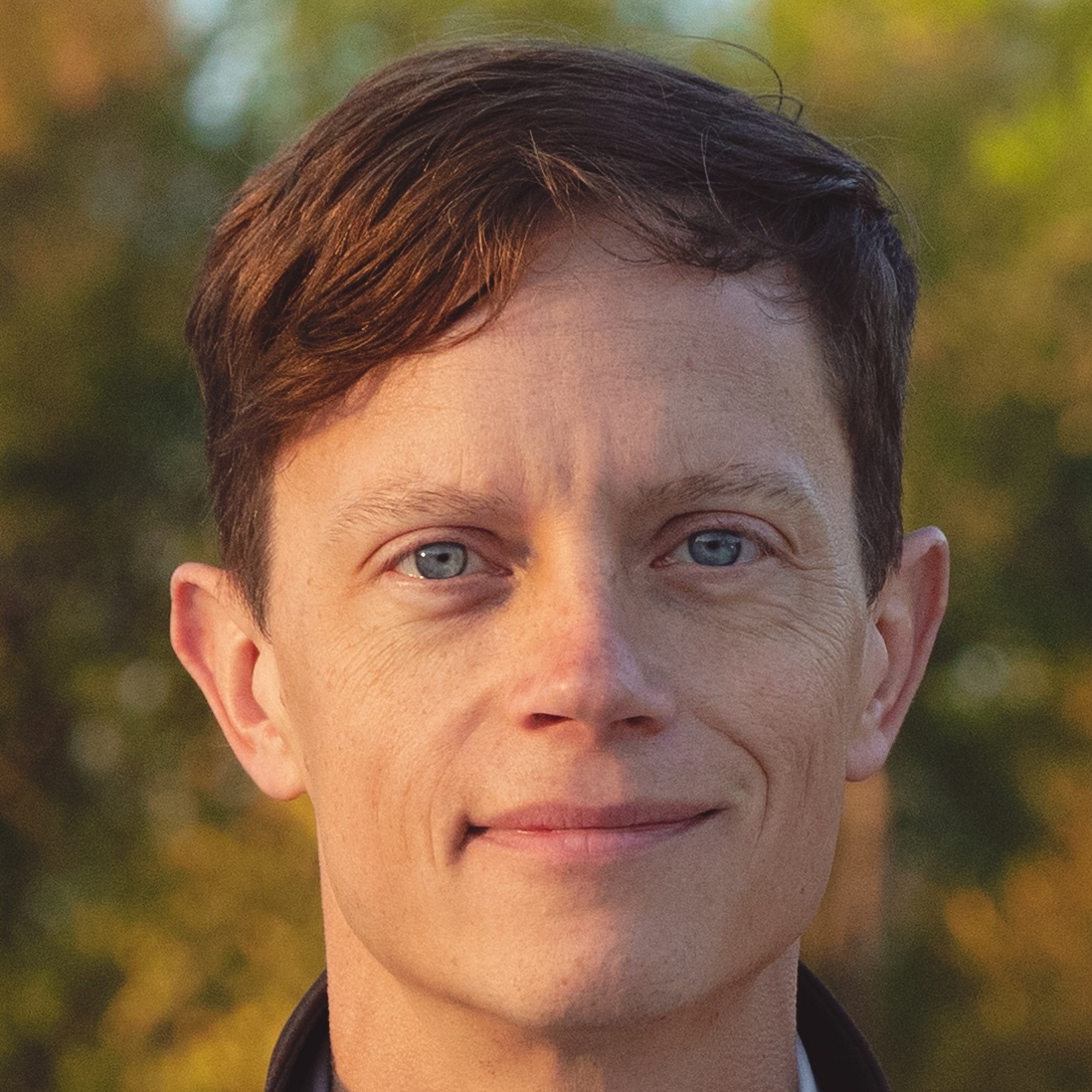
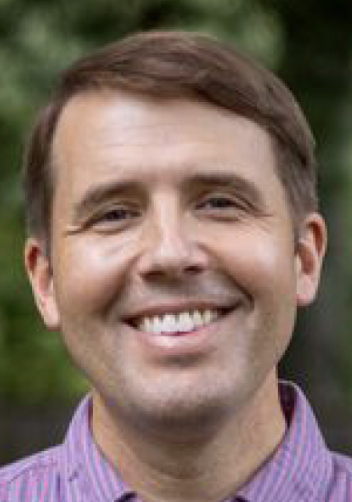
Fact-check: El-Sayed and Rogers level personal attacks in first Michigan Senate race debate
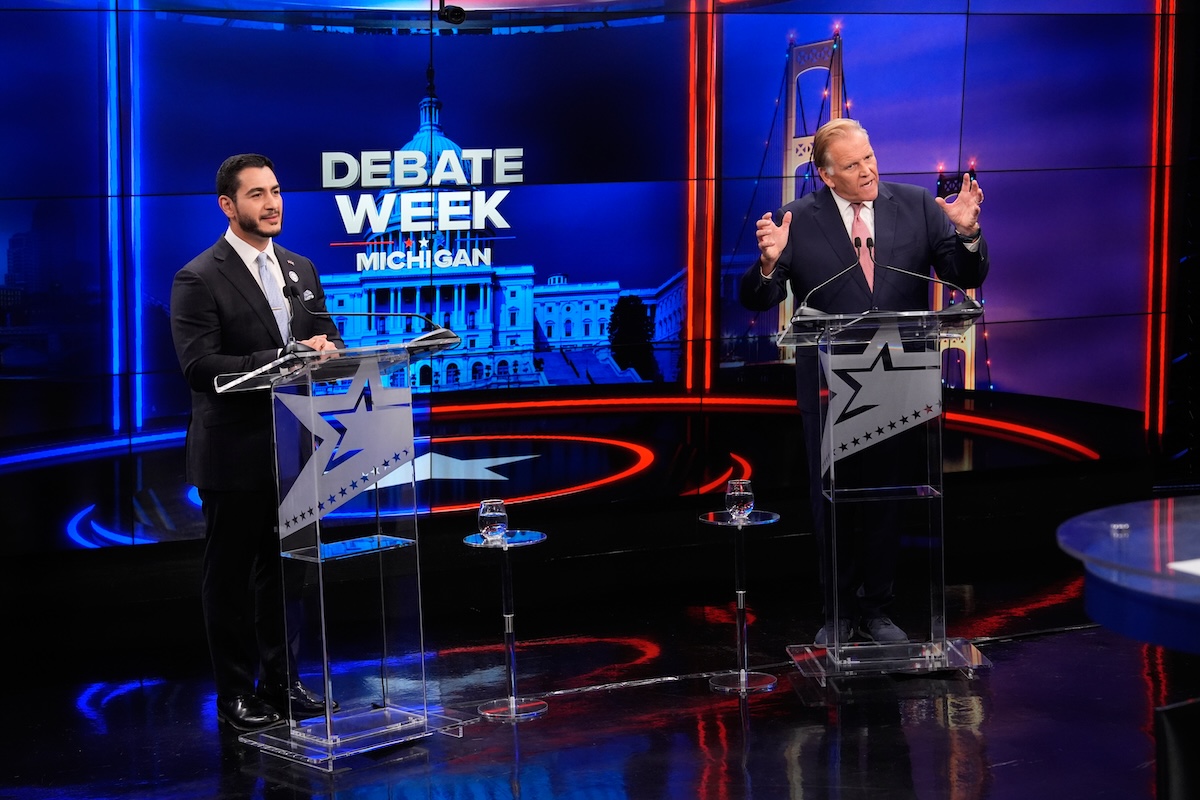

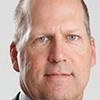
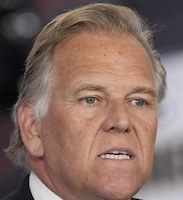
Abdul El-Sayed, the Democratic nominee for Senate in Michigan, and his Republican opponent Mike Rogers, a former U.S. House representative, met for the first time in an Oct. 8 debate, with each candidate trying to drag down the other through a series of personal attacks that have become the trademark of their nasty campaign.
In other words, it went about as expected.
At one point during the hour-long debate televised on WOOD-TV in Grand Rapids, Rogers, while defending votes he took to support federal surveillance programs, implied El-Sayed may have had a family member who was on a terrorist watch list.
“Are you gonna go ahead and say that I’m a uh …” El-Sayed started, before stopping. “Go ahead and say it. You’ve been tiptoeing around it the whole time, just say it.”
Rogers never said it.
Instead, he launched into an attack linking El-Sayed’s mother to al-Qaida.
For people tuning into this race for the first time, the volleys of insults were at times tough to track, as the candidates talked over each other. We fact-checked several of the more prominent claims about both candidates’ personal history.
Jump to our fact-checking of El-Sayed’s claims
Fact-checks of Mike Rogers
Rogers: “What your mom was working at — I was going after that organization that was indicted for funneling money to al-Qaida.”
El-Sayed’s mother worked for an organization that was designated for supporting terrorism, but there’s no evidence she was involved in any of the alleged activity or any crimes.
Fatten Fathy Elkomy, El-Sayed’s mother, worked for the Islamic American Relief Agency from 1999 to 2004, the conservative Michigan publication The Midwesterner reported. In 2004, the U.S. Treasury Department designated it for supporting terrorism, including providing financial support for Osama bin Laden.
El-Sayed’s father and Elkomy divorced when he was young, and both remarried.
Rogers: El-Sayed “has taken money from groups associated in support (of) the Muslim Brotherhood. He has taken money from individuals on his campaign who openly support Hamas, Hezbollah, al-Qaida.”
Rogers is cherry-picking donations and associations from El-Sayed supporters.
When PolitiFact asked his campaign for details, it pointed us to several articles that argue a specific El-Sayed supporter or group of supporters have connections to an extremist Islamist group.
Critics often point to El-Sayed’s father-in-law, Tayeb Jukaku, who has donated hundreds of thousands of dollars to a super PAC supporting El-Sayed. Jukaku is involved with the Islamic Society of North America, which prosecutors accused of having associations with Hamas in a 2007 Texas terrorism support case. A federal judge later found prosecutors violated multiple Muslim groups’ rights by naming them as unindicted co-conspirators, but noted there was evidence behind the associations.
Fox News reported that El-Sayed received $115,000 in contributions from people associated with the Council on American-Islamic Relations, also known as CAIR. Some Republicans at the state and federal level have accused CAIR of having connections with terrorist groups, a characterization the group calls politically motivated. Other articles from conservative publications name donors such as Abdul Mawgoud Dardery, who was involved in the Muslim Brotherhood, and Osama Siblani, who spoke at an El-Sayed September fundraiser and has referred to Hezbollah and Hamas as “freedom fighters.”
El-Sayed said Rogers’ attacks were motivated by anti-Muslim prejudice and a distraction from talking about the cost of living.
Rogers: “He’s not really a doctor. He says he’s a physician. As a matter of fact, if somebody came into his office and he tried to treat that patient, he’d go to jail.”
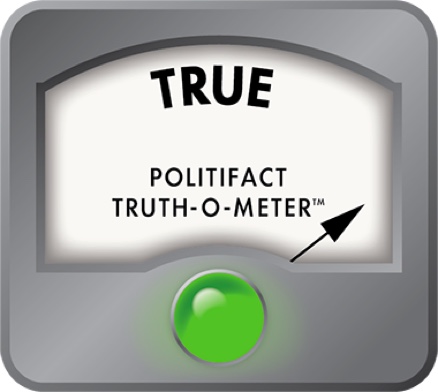
Rogers is right that El-Sayed can’t treat patients, but he is a doctor.
El-Sayed holds a medical degree from Columbia University, and he also has a doctorate in public health from Oxford University.
Whether El-Sayed is a “physician” is more tricky. El-Sayed identifies himself as a physician on his LinkedIn profile and has identified with the term at other times.
Despite earning a medical degree, El-Sayed did not attend residency and has never held a medical license in Michigan or New York, Politico reported. After finishing medical school, he withdrew his application for residency and instead pursued a public health career.
Physician is generally used for a doctor who holds a medical license and treats patients, which is how it’s defined in Michigan law. The American Medical Association, though, defines a physician as anyone who holds a Doctor of Medicine or equivalent degree and doesn’t stipulate a licensing requirement.
Rogers: El-Sayed “can’t condemn a terrorist act that happened on our soil in the state of Michigan.”
Rogers has said this before. It’s Mostly False.
In a video response to the March attack on a Michigan synagogue, El-Sayed said there was “never a justification for attacking innocent people or houses of worship,” and outright said, “I condemn what he did.”
In the same video, however, El-Sayed said “hurt people hurt people,” stating that the attacker had family who were killed during Israel’s attacks on Lebanon, and that “violence is a cycle.” Critics said that was an attempt to justify or excuse the attack, and he has since apologized for his wording.
Fact-checks of Abdul El-Sayed
El-Sayed: “What (Rogers) has been serious about is making sure that he can monetize his time in public office — $14 million, two yachts, a McMansion in Florida.”
PolitiFact previously reported that Rogers became significantly wealthier after leaving office in 2015, and it’s possible his net worth rose by $14 million. Business Insider estimated his net worth at between $800,000 and $1.7 million in 2015; his net worth in 2025 was estimated between $10.1 million and $16.9 million.
County property records show that Rogers and his wife own a home in Cape Coral, Florida. It’s listed as having 4,751 square feet of living area, including five bedrooms and 3.5 bathrooms.
The real estate site Zillow shows the home was listed for sale multiple times since 2025. The property was again listed for sale in March at $2.4 million. The listing was removed on Sept. 6. Records show they remain the sole owners.
A pier and boat lift were added to the Florida property in 2025.
The El-Sayed campaign shared copies of ownership records showing Rogers bought a 32-foot boat in 2015 and a 39-foot boat in 2017. Both are registered in Maryland. We were not able to independently verify his ownership of the boats.
When El-Sayed asked Rogers during the debate if he sold his yachts, Rogers said, “I’d never owned a yacht in Florida, brother.”
El-Sayed: Rogers “called himself Big Pharma’s ‘champion’,” and took “a million dollars alone from Big Pharma.”
Rogers did use the word champion, in a specific context.
As a member of the House, Rogers backed legislation to broaden chronic pain care, which was backed by opioid manufacturers, who also gave donations to his campaign from their political action committees.
In a 2016 investigation of the industry’s lobbying efforts, Rogers said those donations did not influence his policy decisions. “I think they said, ‘This guy is a champion, he’s doing something we believe in and we want to support guys like that,’” Rogers said at the time.
Outside of the opioid industry, Rogers accepted hundreds of thousands of dollars in pharmaceutical-related corporate PACs while he was in Congress. Federal Election Committee records show he received donations from PACs associated with pharmaceutical companies such as Abbott and Merck.
El-Sayed’s $1 million figure appears to come from a Michigan Independent analysis of data from OpenSecrets, which counts donations from both industry PACs and company employees. The analysis also counted contributions to his leadership PAC, which is separate from a candidate’s campaign account.
El-Sayed: Rogers “personally invested in the company, in the company that controls the real estate for the Saline data center.”
El-Sayed’s campaign pointed to Rogers’ reported ownership of “between $100,001 and $250,000 worth of Blackstone Real Estate Income Trust.”
Blackstone and Related Digital, a data center development and investment platform, announced in April that they have secured financing for a data center in Saline Township, Michigan.
Rogers invested in a trust managed by Blackstone, not Blackstone itself.
Bloomberg reported that funds affiliated with Blackstone put in about $2 billion of the equity for the data center. PolitiFact didn’t find evidence that the Blackstone Real Estate Income Trust is involved in the data center. Blackstone’s second quarter 2026 earnings report named a different fund, Blackstone Real Estate Partners, as part of the joint venture with Related Digital.
El-Sayed: Rogers has “cheerled” the Iran war “since the beginning. Called it a ‘win, win, win.’”
Rogers has turned against supporting the war more recently.
Rogers supported the war shortly after Trump ordered air strikes in Iran in late February. Rogers said the attacks left Iran “toothless” and called it “the best opportunity for peace in the Middle East I think I’ve ever seen in my lifetime.”
In May, he said stopping Iran from having a nuclear weapon and from attacking its neighbors would be a “win, win, win.” But said he wanted the war to be over soon.
In a Sept. 21 social media video, he took a more firm opposition: “The war with Iran needs to end, and end quickly.”
PolitiFact Staff Researcher Caryn Baird, Staff Writer Cami Henry-Seymore and PolitiFact New York reporter Conor Amendola contributed to this report.
RELATED: See all of our fact-checks of Abdul El-Sayed
RELATED: See all of our fact-checks of Mike Rogers
RELATED: All of our 2026 midterm fact-checks
Our Sources
See resources linked in the story.