Netflix’s ‘Love is Blind’ contestant said he drinks raw milk. Research shows that’s risky


If your time is short
- Milk pasteurization is the process of heating milk to kill harmful pathogens including bacteria that can make people sick; raw milk is unpasteurized.
- Although fewer people drink raw milk compared to pasteurized milk, research shows raw milk is far more likely to be linked to illness and hospitalizations from foodborne pathogens.
- Pasteurization does not dramatically diminish milk’s nutritional or health benefits, research shows.
It’s not often that romance reality show drama turns to public health matters.
But when Netflix’s hit matchmaking series “Love is Blind” introduced John Shannon, an account manager, to Sarah Williams, a public health professional, it was only a matter of time before Shannon’s habit of drinking raw cow’s milk would send shockwaves through the conversation.
“Is that safe?” one of Williams’ friends asked after Shannon disclosed he consumes unpasteurized milk from a farm.
“No,” Williams said.
Public health officials have long warned against drinking raw milk and championed milk pasteurization as a modern public health triumph.
But Williams told her friends, “I’m looking past the raw milk.”
High profile figures have promoted raw milk in recent years, including Health and Human Services Secretary Robert F. Kennedy Jr., soccer star Erling Haaland and actor and wellness mogul Gwyneth Paltrow, who says she has raw cream in her daily coffee.
Since the episode was released, Shannon said on social media that he no longer drinks raw milk after moving away from the farm that supplied it. But science shows there are other important reasons to steer clear of unpasteurized dairy.
What is raw milk?
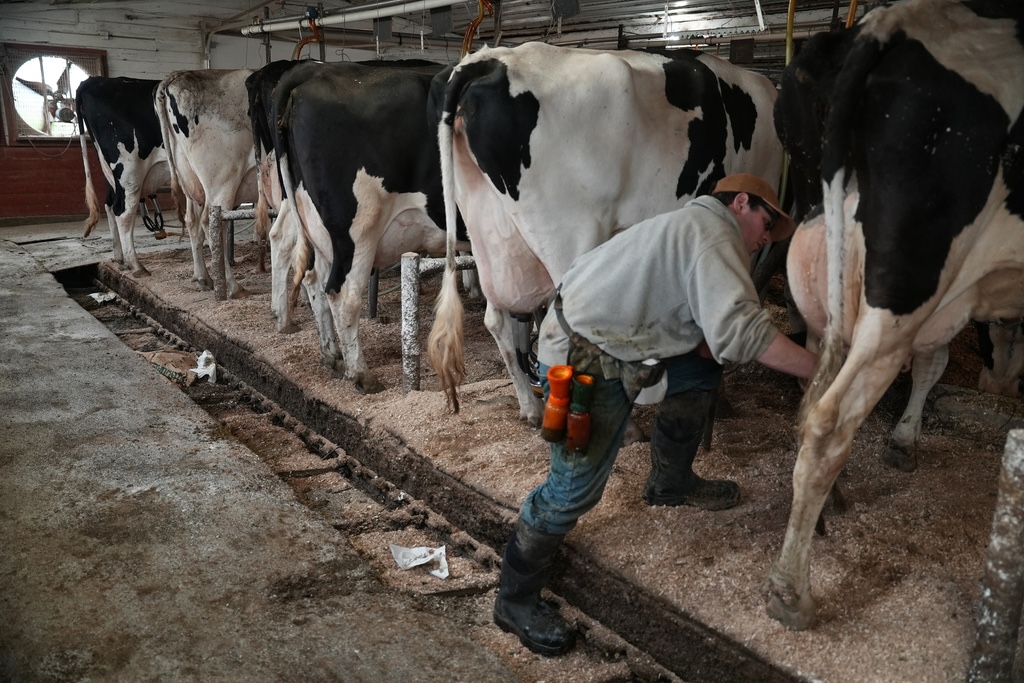
It’s a term used to refer to cow’s milk in its most basic form, when it is taken straight from the animal and rapidly chilled.
Raw milk can be creamier and taste different or slightly sweeter than traditional milk. As raw milk ages, it gets more sour. Raw milk fat also separates from the rest of the liquid, forming cream at the top.
Unlike the cow’s milk most people buy at the grocery store, raw milk is unpasteurized and non-homogenized.
What is milk pasteurization and homogenization?
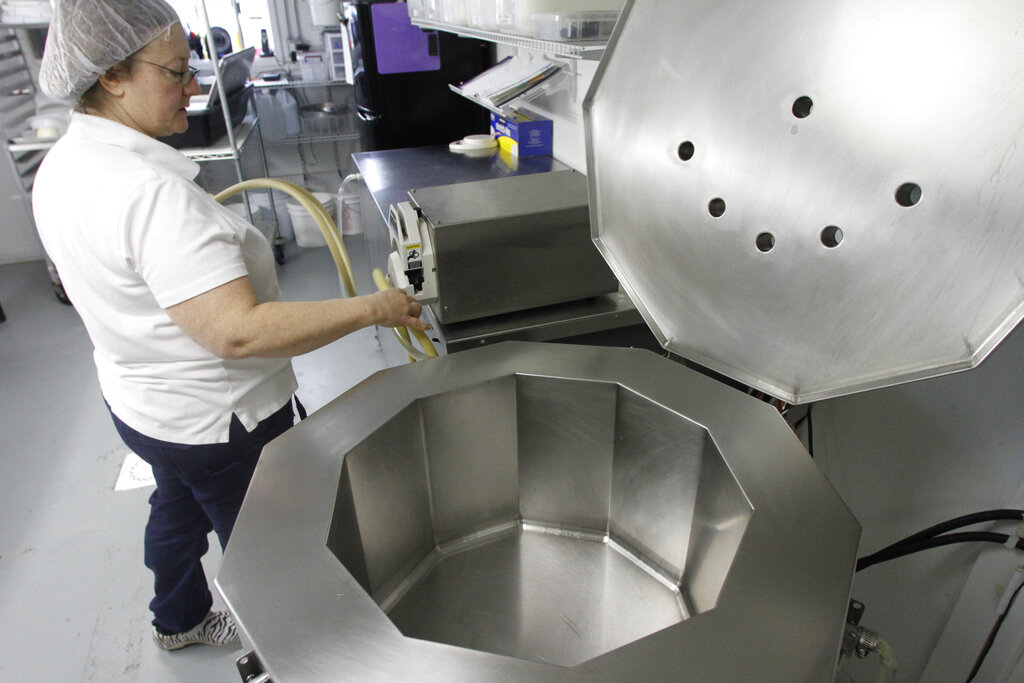
Milk pasteurization is the process of heating something up to kill harmful pathogens. In most cases, cow’s milk is heated to at least 161 degrees Fahrenheit for at least 15 seconds before it is quickly cooled again. Pasteurization also extends milk’s shelf life by killing bacteria that can cause it to spoil.
Homogenization keeps milk from separating and forming a layer of cream at the top. For milk, the process involves forcing milk through small openings under high pressure, which breaks fat globules into extremely small particles and evenly distributes them throughout the fluid.
Homogenization gives typical store-bought milk its smooth, consistent texture and appearance.
What kinds of pathogens does pasteurization kill?
The dangerous, illness-causing organisms and bacteria it kills include listeria, salmonella and E. coli. It also kills the bacteria that causes tuberculosis and the virus that causes bird flu. Cows that appear healthy can shed these pathogens in their feces, making it easy for milk to become cross-contaminated during the milking process.
Research shows raw milk is far more likely than pasteurized milk to be linked to illness and hospitalizations from foodborne pathogens.
Have there been documented cases of raw-milk related illness outbreaks?
Yes. In the U.S. from 1993 to 2006, researchers examined 121 dairy-related disease outbreaks that caused about 4,400 illnesses, 239 hospitalizations and three deaths. Seventy three of those outbreaks, or 60%, were caused by raw milk, a 2012 Centers for Disease Control and Prevention study found. The raw milk outbreaks accounted for 1,571 illnesses (36%), 202 hospitalizations (85%) and two deaths.
“Raw milk product outbreaks led to much more severe illnesses, and disproportionately affected people under age 20,” according to the CDC. For raw milk-related outbreaks where ages were known, about 60% of patients were younger than age 20, while 23% of patients in outbreaks from pasteurized products were under age 20.
“This study shows that raw milk has great risks, especially for children, who experience more severe illnesses if they get sick,” study co-author Dr. Barbara Mahon said in a press release. “Parents who have lived through the experience of watching their child fight for their life after drinking raw milk now say that it’s just not worth the risk.”
A 2017 study found people who consume raw milk products are 839 times more likely to experience illness and 45 times more likely to be hospitalized. It said dairy consumption-related outbreaks cause about 760 illnesses and 22 hospitalizations each year on average, and unpasteurized dairy products cause 95% of those illnesses.
What are the laws on selling raw milk?
Raw milk isn’t available for purchase everywhere. It is illegal to sell raw milk across state lines, so large commercial dairy operations don’t often sell it, but laws vary.
In some states such as California, Washington, Arizona, Nevada and Pennsylvania, in-state retail sale of raw milk is allowed. In others — including Massachusetts, where “Love is Blind” filmed this season — dairy farms can sell unpasteurized milk directly to consumers.
Public health authorities from the CDC, the Food and Drug Administration, the American Academy of Pediatrics, other health groups and various state and local officials have for decades said consuming raw or unpasteurized dairy can be dangerous — especially for young children, elderly and immunocompromised people. Unpasteurized dairy is also especially risky during pregnancy: Listeria can cause miscarriage, stillbirth and illness or death of a newborn.
Still, survey data shows that about 4% of U.S. adults reported drinking raw milk in the past year and about 1.6% reported frequent raw milk consumption. Studies have also found that unpasteurized dairy-related illness outbreaks are more frequent in states where it’s legal to sell unpasteurized dairy.
Does heating milk to kill bacteria reduce its nutritional value?
No.
“There are some minor changes, but nutritionally, pasteurized milk is really, really close to raw milk,” Gabriel Keith Harris, a food science professor at NC State University, said in 2025.
A 2011 analysis found that pasteurizing milk reduced the concentration of vitamins B12, C, B9 and E, but milk isn’t considered a strong source of those vitamins in North American diets to begin with. Dairy products are, however, an important source of vitamin A and pasteurization appeared to increase milk’s vitamin A concentration. Studies have shown mixed results about pasteurization’s impact on vitamin B2, but pasteurized milk is still a good dietary source of the vitamin. Pasteurized milk is also often fortified with vitamin D.
Does raw milk have benefits for digestion?
No. Despite raw milk proponents’ claims that it’s a good source of enzymes or beneficial bacteria called probiotics that support digestion, it does not contain probiotics at all. In a 2015 study, University of Wisconsin-Madison food science researcher John Lucey called claims to the contrary “myths.” Enzymes found in raw milk have no proven role in digestion.
Bifidobacteria, a bacteria raw milk advocates sometimes cite as a “good,” is present in human and cow GI tracts, and its presence in raw milk “indicates fecal contamination and poor farm hygiene,” the FDA said.
Ultimately, said David Mills, a food science and technology professor at the University of California at Davis, the risk-benefit analysis of drinking raw milk is a “no-brainer.”
“We have lack of proof of a benefit, and we have overt proof of a higher rate of infection of the humans consuming it,” he said. With that in mind, he said, people should seriously consider: Is it worth the risk?
For public health and food science experts, the answer is clear: No.
RELATED: Ketamine: What to know about the sedative drug some college students are using recreationally
Our Sources
Interview with David A. Mills, distinguished professor Peter J. Shields Endowed Chair in Dairy Food Science at the University of California at Davis, Oct. 27, 2026
Reality Shrine, Love Is Blind’s John reveals he no longer drinks the raw milk he championed on the show, Oct. 26, 2026
NBC News, Raw milk advocates wonder: Where is Kennedy?, June 19, 2025
The Cut, RFK Jr. Did Raw-Milk Shooters in the White House, archived May 31, 2025
Food Safety News, Haaland’s raw milk habit highlights a public health challenge | Food Safety News, July 17, 2026
Springer Nature Link, Reservoirs of antimicrobial resistance genes in retail raw milk | Microbiome, June 26, 2020
MarGro Farms, Barnyard Milk?? What Should Raw Milk Taste Like? accessed Oct. 26, 2026
Simple Bites, Discovering Raw Milk, April 6, 2011
Our Humble Homestead, What to Expect; Drinking RAW MILK for the first time, April 17, 2025
Martha Stewart, What Is Raw Milk, and Is It Good for You? Feb. 18, 2020
Evie Magazine, Gwyneth Paltrow Talks Motherhood, MAHA, And The Raw Milk Revolution, March 15, 2025
Britannica, Pasteurization | Definition, Process, Inventor, & Facts, accessed Oct. 27, 2026
Britannica, Homogenization | Definition & Examples, accessed Oct. 27, 2026
Healthline, Boiled Milk: Nutrients, Benefits, and How to Make It, Dec. 1, 2020
American Dairy Association North East, What is Homogenized Milk? accessed Oct. 27, 2026
U.S. Dairy, What Is Milk Pasteurization & How Does the Process Work? accessed Oct. 26, 2026
U.S. Dairy, What Is Homogenized Milk? accessed Oct. 27, 2026
Grace Harbor Farms, Non-Homogenized Milk: What It Is and Why It Matters, Jan. 23, 2026
Food and Drug Administration, Food Safety and Raw Milk, accessed Oct. 27, 2026 (archived)
Food and Drug Administration, The Dangers of Raw Milk: Unpasteurized Milk Can Pose a Serious Health Risk, May 30, 2024 (archived)
Food and Drug Administration, Raw Milk Misconceptions and the Danger of Raw Milk Consumption, March 5, 2024 (archived)
American College of Obstetricians & Gynecologists, Having A Baby, accessed Oct. 27, 2026
Centers for Disease Control and Prevention, Raw Milk | Food Safety, accessed Oct. 27, 2026 (archived)
Journal of Food Protection via Science Direct, A Brief History of Milk Hygiene and Its Impact on Infant Mortality from 1875 to 1925 and Implications for Today: A Review, Oct. 1, 2018
American Public Health Association, Compulsory Pasteurization of All Non-Human-Derived Animal Milk Products Intended for Human Consumption, Nov. 1, 2016
National Conference of State Legislatures, Resource Map Monday: Got Raw Milk? It Depends on Your State, Oct. 29, 2026
Dairy Nutrition, Why Is Milk Homogenized and its Effects? Aug. 6, 2021
Mother Jones, RFK Jr. Was Raw Milk’s Biggest Fan. Now He Won’t Return Industry Calls, Jan. 30, 2026
Clemson Cooperative Extension, What is Raw Milk? Feb. 6, 2025
Michigan State University Extension – Agriculture, Dairy Milk Label Claims, May 15, 2021
Harvard T.H. Chan School of Public Health The Nutrition Source, Milk, accessed Oct. 28, 2026
Brown University Health, Raw Milk 101: Benefits, Risks, and What to Consider, Aug. 5, 2025
UVA Health, Raw Milk: Hype vs Reality, March 6, 2025
CIDRAP, Raw milk poses serious infection risks with no added health benefits, pediatrician group warns, Oct. 7, 2026
Food Safety News, New York officials issue warning about raw milk because of Salmonella test results, Dec. 9, 2025
Food Safety News, State officials issue warning about raw milk after one person falls ill from campylobacter, May 3, 2024
Marler Clark Food Poison Journal, Missoula County Health Officials issue warning about raw milk following possible Coxiella burnetii exposure, May 20, 2023
Newsweek, Cheese Recall Update In 13 States As FDA Issues Highest Risk Warning, Oct. 20, 2026
Letter from the Centers for Disease Control and Prevention, The Ongoing Public Health Hazard of Consuming Raw Milk, July 18, 2012
Michigan State University’s Center for Research on Ingredient Safety, Pasteurization, Nov. 18, 2024
Centers for Disease Control and Prevention, Foodborne Illness Source Estimates | Food Safety, accessed Oct. 27, 2026 (archived)
Centers for Disease Control and Prevention, Attribution of Foodborne Illnesses, Hospitalizations, and Deaths to Food Commodities by using Outbreak Data, United States, 1998–2008, March 2013
Annenberg Public Policy Center, With Bird Flu in Raw Milk, Many Still Do Not Know Risks of Consuming It, March 14, 2025
PBS News Hour, Bird flu virus has been found in raw milk. Here’s a reminder of how pasteurization improves safety | PBS News, Dec. 11, 2024
Journal of Food Protection, Characteristics of U.S. Consumers Reporting Past Year Intake of Raw (Unpasteurized) Milk: Results from the 2016 Food Safety Survey and 2019 Food Safety and Nutrition Survey, July 2022
Epidemiology & Infection via Cambridge University Press, Foodborne illness outbreaks linked to unpasteurised milk and relationship to changes in state laws – United States, 1998–2018, Oct. 25, 2022
Propublica, American Academy of Pediatrics Renews Call for Ban on Raw Milk, Oct. 8, 2026
University of Madison Wisconsin Farm Management Extension, Raw Milk in the U.S. (Cow’s Milk): Regulation, Public Health Risk, Market Spillovers, and Policy Implications, accessed Oct. 27, 2026
Centers for Disease Control and Prevention, Research Anthology: Raw Milk | Public Health Law, accessed Oct. 28, 2026 (archived)
American Academy of Pediatrics, Consumption of Raw or Unpasteurized Milk and Milk Products by Pregnant Women and Children, Jan. 1, 2014
University of Delaware, A look at raw milk’s health risks and potential benefits as Trump administration hints at law changes, Oct. 29, 2026
University of Delaware, The Rise of Raw Milk: Can Delaware’s New Law Revitalize Small Dairy Farms? Oct. 14, 2024
PBS News, Raw milk sales spike despite CDC’s warnings of risk associated with bird flu, May 14, 2024
Centers for Disease Control and Prevention, Majority of dairy-related disease outbreaks linked to raw milk, Feb. 21, 2012
Centers for Disease Control and Prevention, Emerging Infectious Diseases: Nonpasteurized Dairy Products, Disease Outbreaks, and State Laws—United States, 1993–2006, March 2012 (archived)
Centers for Disease Control and Prevention, About Bovine Tuberculosis in Humans, accessed Oct. 28, 2026 (archived)
PolitiFact, Bird flu outbreak in US isn’t timed for November elections; it began in 2022, May 24, 2024
Letter from the Centers for Disease Control and Prevention, The Ongoing Public Health Hazard of Consuming Raw Milk, May 9, 2014
NC State, What’s the Difference Between Raw and Pasteurized Milk? Jan. 7, 2025
The American Journal of Clinical Nutrition, Riboflavin (vitamin B-2) and health,
The American Journal of Clinical Nutrition via ScienceDirect, Vitamin D fortification in the United States and Canada: current status and data needs, December 2004
Australian Associated Press, Raw milk claim is udderly untrue, Nov. 7, 2022
American Academy of Pediatrics, Fact Checked: The Dangers of Drinking Raw Milk, accessed Oct. 28, 2026
PolitiFact, Bird flu: What to know about latest outbreaks after U.S. reports first severely infected person, Dec. 19, 2024
Emerging Infectious Diseases Centers for Disease Control and Prevention, Outbreak-Related Disease Burden Associated with Consumption of Unpasteurized Cow’s Milk and Cheese, United States, 2009–2014, June 2017
Journal of Food Protection via ScienceDirect, A Systematic Review and Meta-Analysis of the Effects of Pasteurization on Milk Vitamins, and Evidence for Raw Milk Consumption and Other Health-Related Outcomes, Nov. 1, 2011
European Journal of Allergy and Clinical Immunology via Wiley Online Library, Allergic diseases and atopic sensitization in children related to farming and anthroposophic lifestyle – the PARSIFAL study – Alfvén, Feb. 27, 2006
Clinical & Experimental Allergy via Wiley Online Library, Inverse association of farm milk consumption with asthma and allergy in rural and suburban populations across Europe, Dec. 20, 2006
The Conversation, Raw milk health risks significantly outweigh any potential benefits − food scientists and nutritionists explain why, June 19, 2024
BBC, Experts warn against drinking raw milk after New Mexico baby’s listeria death, Feb. 5, 2026
Nutrition Today: Nutrition and Food Science, Raw Milk Consumption, July/August 2015
Canada Communicable Disease Report, Public health risks of raw milk consumption: Lessons from a case of paediatric hemolytic uremic syndrome, Sept. 1, 2023
Purdue Extension, Raw Milk FAQs, November 2012
Michigan Dairy Review, Raw Milk: A Risk worth Taking? – Update 2011, April 2011
American Academy of Pediatrics, Consumption of Unpasteurized (Raw) Milk and Milk Products by Pregnant People and Children: Policy Statement, Oct. 5, 2026
U.S. Dairy, What Is Milk Pasteurization & How Does the Process Work?, April 28, 2026
Center for Dairy Research University of Wisconsin, CDR Raw Milk Fact Sheet, accessed Oct. 28, 2026
University of Wisconsin, Raw milk claims and current science, accessed Oct. 28, 2026
Yahoo!Life, Raw milk has always been risky to drink. Then it tested positive for bird flu. Now, all milk will be tested for the virus, Dec. 6, 2024
Journal of Dairy Research via Cambridge University Press, 252. The effect of commercial pasteurization and sterilization on the vitamin B1 and riboflavin content of milk as measured by chemical methods, June 1, 2009
Nature Reviews Immunology, Farm living: effects on childhood asthma and allergy, Nov. 9, 2010
CBS News, CDC: Raw milk to blame for most dairy-related disease outbreaks, Feb. 22, 2012
The New York Times, Ban asked on the sale of raw milk, April 11, 1984
The Los Angeles Times, Judge Orders Alta-Dena to Put Warnings on Raw Milk, April 11, 1989
Instagram post, Oct. 21, 2026
TikTok post, Oct. 21, 2026