Newly released NYC documents reveal early asbestos concerns following 9/11 attack
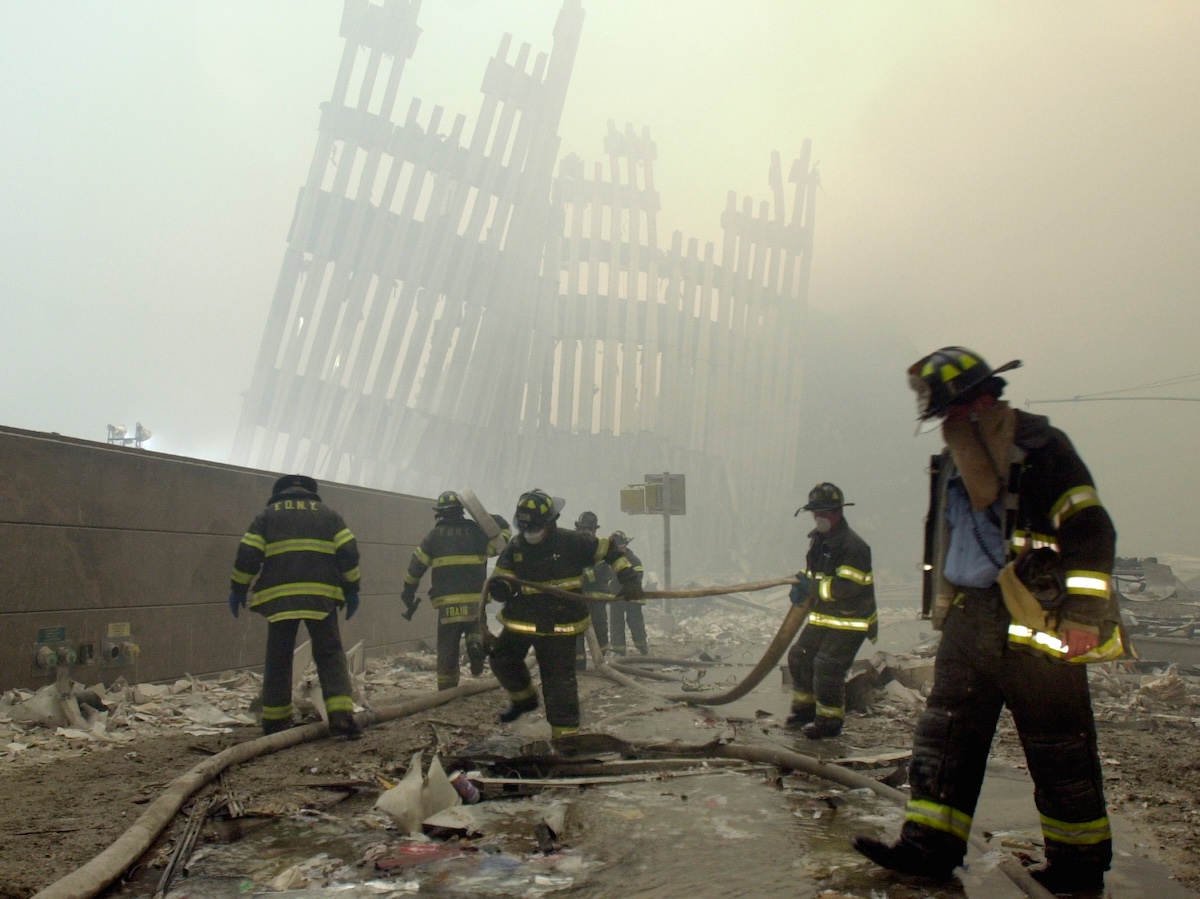

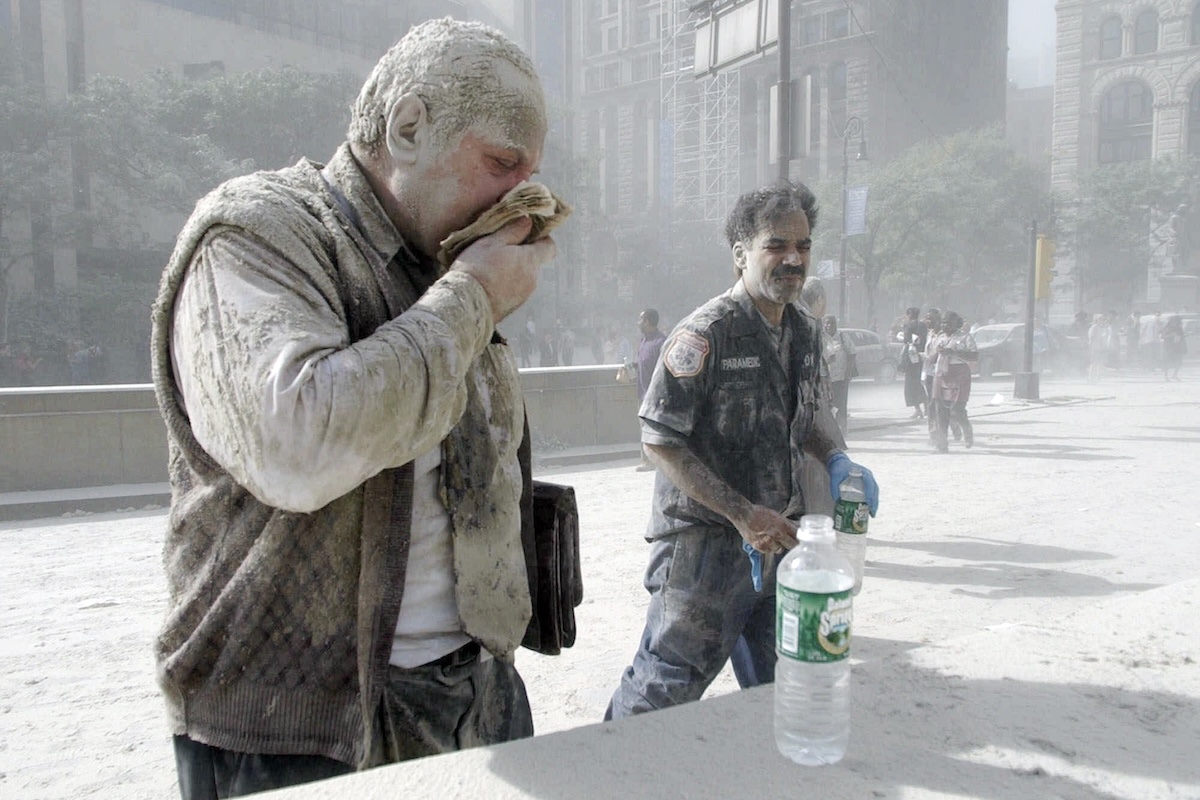
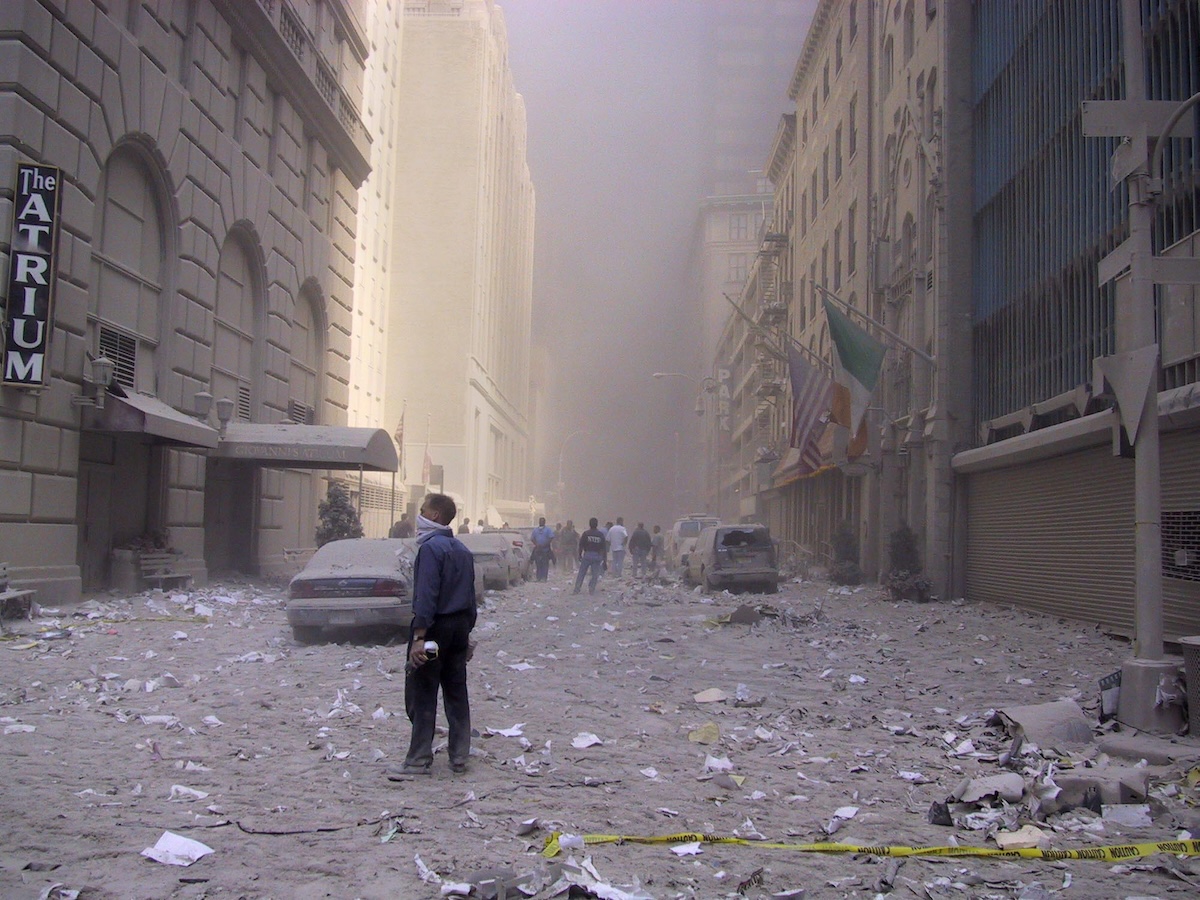
The Sept. 11, 2001, collapse of the Twin Towers released a massive, toxic dust cloud that settled over hundreds of highly populated city blocks. The initial catastrophe exposed hundreds of thousands of people to air filled with harmful asbestos, silica, metal, concrete and glass particles. Afterward, fires continued for months, releasing cancer-causing pollution.
City officials knew that poor air quality and toxins including asbestos posed a threat to New Yorkers following the 9/11 terrorist attacks, but kept that information from the public, newly released evidence shows.
Ahead of the attack’s 25th anniversary, New York Mayor Zohran Mamdani made public a searchable database of over 170,000 pages of city records about the response to the 9/11 attacks. Mamdani’s administration plans to share more documents in the months ahead.
Some of those documents included internal communications in which officials expressed concerns about environmental testing in October and November 2001. For years, city officials across multiple mayoral administrations fought in court to keep the public from seeing the documents.
The records show that asbestos was repeatedly found in the dust collected in the buildings around the site of the collapse. Some reports found asbestos at levels below environmental and worker protection agency limits; others found that the levels were too high, The New York Times reported.
Officials expressed concern about the level of asbestos in the air, documents show.
Asbestos, a carcinogen, is a natural mineral found in rock and soil. Because of its strength and resistance to heat and corrosion, it has been used in construction for insulation and as a fire retardant.
When asbestos fibers are disturbed or damaged and released into the air, they can be harmful and increase a person’s risk of developing lung disease and cancer.
Asbestos was once used in products such as toasters, ovens and hair dryers, but it is no longer used in consumer products. In the U.S., asbestos has mostly been phased out. When it is used, it is heavily regulated.
The International Agency for Research on Cancer said there is sufficient evidence that all forms of asbestos cause mesothelioma and lung, larynx and ovarian cancer. Mesothelioma is a rare form of cancer that is found in the lining of the lung, chest, abdomen and heart. Prolonged exposure to asbestos can also cause asbestiosis, a condition that leads to lung tissue scarring and shortness of breath.
Health problems from asbestos exposure can take a long time to develop. With mesothelioma, for example, about 30 years usually pass between a person’s first exposure to asbestos and their diagnosis.
For 9/11 survivors and first responders, that could mean some health consequences from Ground Zero exposures to asbestos have not yet occurred. As of 2024, at least four people were diagnosed with mesothelioma following exposure to asbestos on 9/11.
Thousands of people who were exposed to toxic air on 9/11 have developed illnesses such as cancer. The World Trade Center Health Program was created to research and provide no-cost treatment for 9/11-related health conditions. More than 150,000 people enrolled, according to the Centers for Disease Control and Prevention. At least 6,000 of those people have died, but it’s unclear how many of the deaths were due to 9/11 related illnesses.
Nearly 3,000 people died directly as a result of the plane crashes on 9/11. Even more people are believed to have died from illnesses related to the attacks in the years since.
Our Sources
NYC 9/11 Document Portal, accessed Sept. 14, 2026
U.S. Centers for Disease Control and Prevention, Toxins and Health Impacts: Health Effects of 9/11 – WTC Health Program, accessed Sept. 14, 2026
U.S. Environmental Protection Agency, Asbestos Laws and Regulations, accessed Sept. 14, 2026
U.S. Environmental Protection Agency, Learn About Asbestos, accessed Sept. 14, 2026
CNN, What we know about NYC’s newly released 9/11 documents, Sept. 10, 2026
NPR, New York City Mayor Mamdani releases documents related to post-9/11 air quality, Sept. 9, 2026
Scientific American, 25 years after 9/11, survivors are still getting sick—here are the numbers, Sept. 11, 2026
NYC Mayor’s Office, 25 Years Later, Mamdani Administration Opens City’s 9/11 Records to the Public and Settles Multi-Year Legal Battle, Sept. 8, 2026
CNN, NYC Mayor Mamdani releases 9/11 records showing officials misled New Yorkers about air quality around Ground Zero, Sept. 8, 2026
The New York Times, After 9/11, Documents Suggest, New Yorkers Were Misled About Air Quality, Sept. 7, 2026
The Mesothelioma Center’s Asbestos.com, What Is Asbestos? Types, Health Effects & Exposure Risks, accessed Sept. 14, 2026
International Agency for Research on Cancer, IARC Publications Website – Arsenic, Metals, Fibres, and Dusts, accessed Sept. 14, 2026
U.S. Environmental Protection Agency, Biden-Harris Administration finalizes ban on ongoing uses of asbestos to protect people from cancer, March 18, 2024
KCRA, 25 years after 9/11, the attacks’ death toll continues to rise, Sept. 10, 2026
The Guardian, Former EPA head admits she was wrong to tell New Yorkers post-9/11 air was safe, Sept. 10, 2016
PubMed Central, Mesothelioma Cases in the World Trade Center Survivors, Nov. 20, 2024
The Mesothelioma Center’s Asbestos.com, 9/11 World Trade Center: Asbestos Exposure & Health Effects, accessed Sept. 14, 2026
The Lancet, Early assessment of cancer outcomes in New York City firefighters after the 9/11 attacks: an observational cohort study, Sept. 3, 2011
U.S. Centers for Disease Control and Prevention, Twenty-Five Years After 9/11 — Lessons from the World Trade Center Health Program, Sept. 10, 2026
JAMA, Twenty-Five Years After 9/11—Lessons From the World Trade Center Health Program, Sept. 10, 2026
World Trade Center Health Program, Program Statistics, accessed Sept. 14, 2026
World Trade Center Health Program, Covered Conditions – WTC Health Program, accessed Sept. 14, 2026
WBAL, 25 years after 9/11, the attacks’ death toll continues to rise, Sept. 10, 2026
National Cancer Institute, Asbestos Exposure and Cancer Risk Fact Sheet, accessed Sept. 14, 2026
The Mesothelioma Center’s Asbestos.com, Asbestos Ban and Legislation: U.S. Laws and Ongoing Efforts, accessed Sept. 14, 2026
American Cancer Society, Asbestos and Cancer Risk, accessed Sept. 14, 2026
Mayo Clinic, Asbestosis – Symptoms & causes, accessed Sept. 14, 2026
PubMed Central, Combustion By-Products and their Health Effects – Combustion Engineering and Global Health in the 21st Century: Issues and Challenges, Jan. 16, 2015
U.S. Centers for Disease Control and Prevention, About the WTC Health Program, accessed Sept. 14, 2026