What are Zyn nicotine pouches and are they safe?

If your time is short
- The Food and Drug Administration is allowing the company Zyn to tell consumers that some of its nicotine pouches put “you at a lower risk of mouth cancer, heart disease, lung cancer, stroke, emphysema, and chronic bronchitis” compared with cigarettes.
- Nicotine is addictive and using nicotine pouches carries a risk of developing a dependence, experts in tobacco use and substance use disorders warned.
- When companies advertise that nicotine pouches can be “lower risk” than cigarettes, experts worry that some people will interpret that to mean they are safe to use.
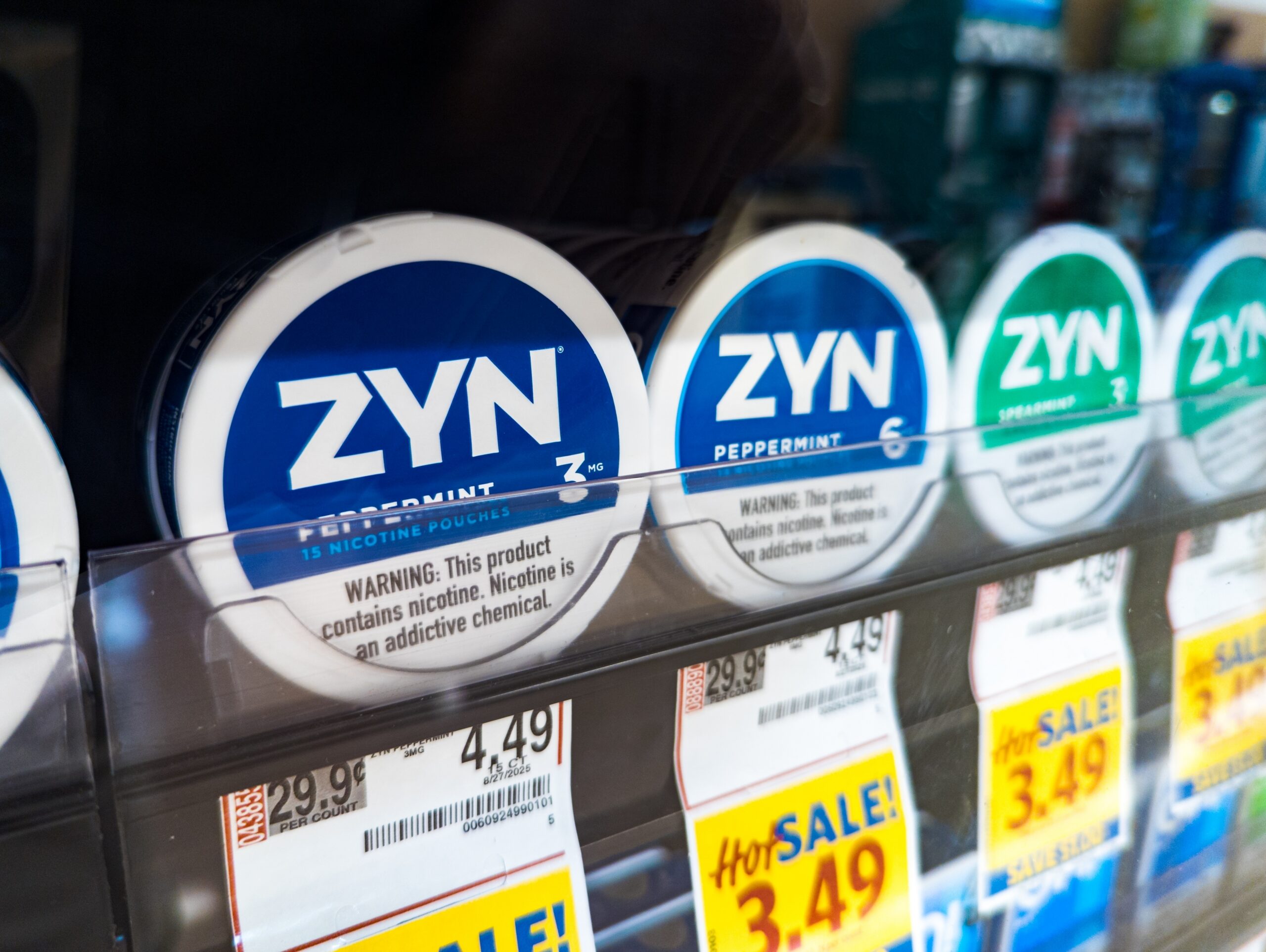
The Food and Drug Administration is allowing the company Zyn to advertise some of its nicotine pouches as safer in some ways than smoking cigarettes.
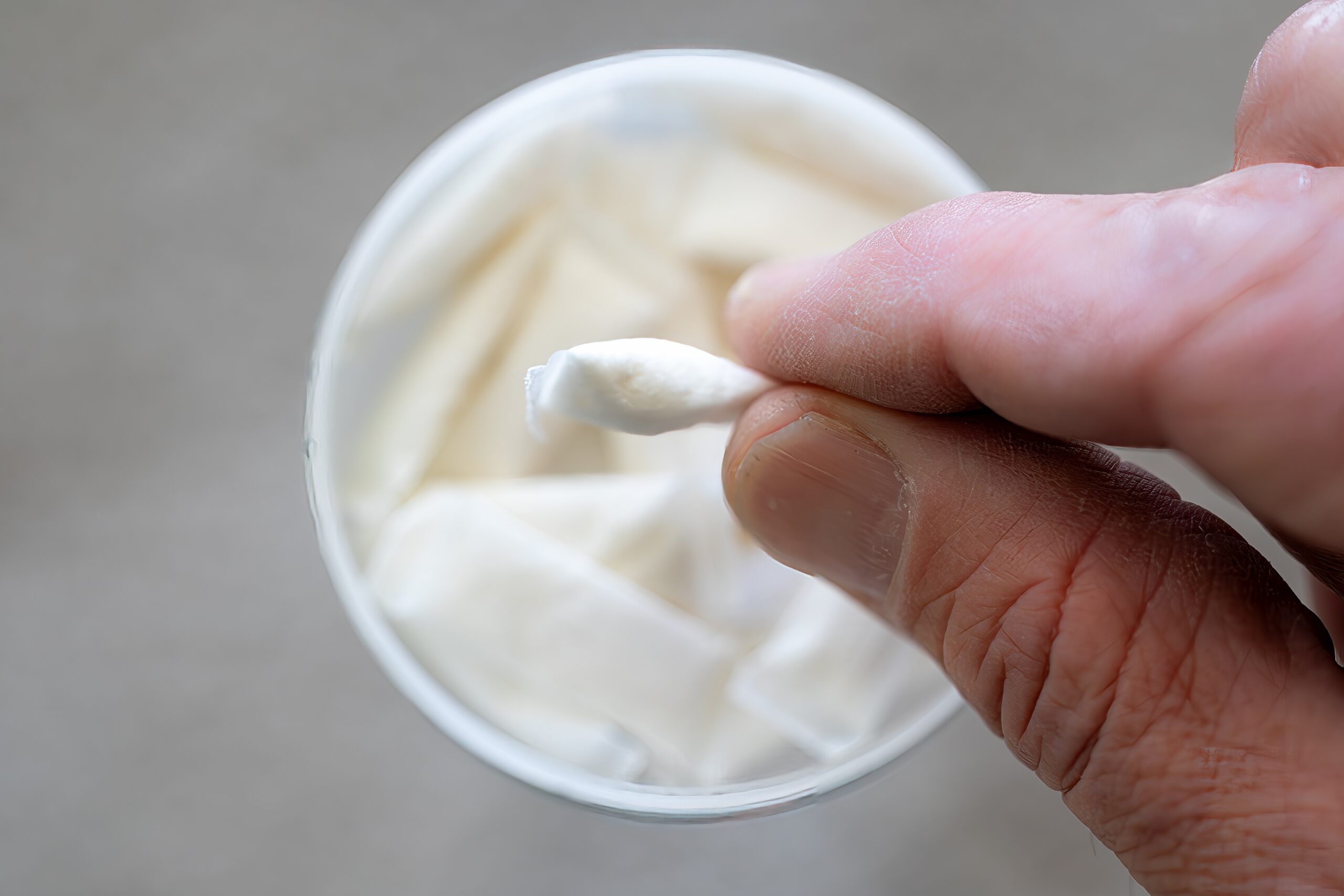
Nicotine pouches are as their name suggests: small, thin, rectangular packets that contain nicotine powder and often include flavors such as Zyn’s cinnamon, citrus and cool mint. They’re designed to be inserted between the lip and gum for up to an hour, allowing nicotine to be absorbed into the user’s bloodstream.
After what the FDA described as an “extensive scientific review,” the agency said on June 30 that Zyn could advertise 20 of its nicotine pouches by saying, “Using ZYN instead of cigarettes puts you at a lower risk of mouth cancer, heart disease, lung cancer, stroke, emphysema, and chronic bronchitis.”
The new form of advertising “doesn’t change the fact that these products deliver an addictive dose of nicotine,” said Aaron Hunt, a Utah State University Health and Wellness extension specialist.
The FDA’s decision doesn’t mean nicotine pouches are without risk, experts said. It also doesn’t mean Zyn pouches are an FDA-approved effective way to stop smoking.
“Yes, it is safer than smoking cigarettes, but if you do not smoke cigarettes and are not using it as a cessation tool, it is best to not use these products,” Hunt said.
Nicotine addiction is biggest risk, and long-term effects are unknown
The stimulant nicotine is addictive. It activates the central nervous and cardiovascular systems, sometimes leading to increased alertness or wakefulness. The drug is naturally found in tobacco plants but can also be made in laboratories.
Experts warn that the biggest risk for people who use nicotine pouches is becoming dependent.
“Nicotine addiction is a serious problem,” and it can develop quickly, said Dr. Pamela Ling, director of the University of California San Francisco’s Center for Tobacco Control Research and Education. “Nicotine exposure increases the number of nicotine receptors in the brain, so over time people begin to need nicotine just to feel normal and avoid withdrawal.”
Withdrawal symptoms can include increased irritability, sadness and anxiety; difficulty concentrating; insomnia; increased appetite; headaches and nausea. In 2020, about 8.5% of people age 12 and older in the U.S. reported nicotine dependence in the past 30 days, according to the National Institute on Drug Abuse.
Nicotine pouches first became available in the U.S. in 2014. There is limited research about their long-term health effects.
Researchers, for example, don’t have enough evidence to say whether nicotine pouches can cause oral cancer. But they have seen the pouches can cause inflammation and mouth tissue damage, Carter Bruett, a University of Utah dentistry professor told University of Utah Health.
Some studies of smokeless and oral nicotine tobacco products have found that the products pose cardiovascular risks, albeit lower than those associated with cigarette use.
“Oral and cardiovascular effects are biologically plausible, but the direct evidence base is thin to date,” Hunt said. “We need more studies to determine the actual health impacts long term.”
Young people are especially vulnerable to nicotine addiction
Nuanced advertising claims about nicotine pouch health risks could muddy the waters for consumers — especially young people.
“Smokers might compare it to cigarettes, but young people who don’t smoke might also interpret this to mean the products are safe,” Ling said.
In other flavors like coffee, menthol and peppermint, Zyn is promoted on social media, sometimes by influencers, sold in convenience stores and gas stations. Advertising that promotes Zyn as less risky than cigarettes is likely to make it more appealing to younger people, Ling said.

One 2024 study found that when adolescents saw ads that said switching from cigarettes to smokeless tobacco products “reduces risk of lung cancer,” they perceived smokeless tobacco products as less harmful.
“Kids who were never smoking cigarettes in the first place are a growing share of pouch users,” Hunt said.
Young brains are still developing and younger people are especially at risk of developing a strong nicotine addiction, said Brittney Keller-Hamilton, an Ohio State University epidemiologist and medical oncology professor.
Nicotine addiction risk is higher the younger a person is when they start using tobacco or nicotine products.
When a young person’s brain is developing, neurons with nicotine receptors will be pruned away if the person isn’t using nicotine, Stanford Medicine reported. Using nicotine products before brain development is complete sends a signal to the body that it needs those neurons. It can also increase the feel-good chemical dopamine’s production, making adolescents more likely to become addicted.
The Centers for Disease Control and Prevention warns that nicotine can harm brain development, particularly the parts that handle attention, learning, mood and impulse control.
In 2025, 1.7% of middle and high school students reported using nicotine pouches and about 90% of users reported using flavored pouches, according to the 2025 National Youth Tobacco Survey. That’s up slightly from 2022, when 1.1% of students reported using nicotine pouches.
Nicotine pouches are not a proven way to stop smoking
There’s some evidence that adult smokers are using nicotine pouches when they stop smoking or to cut back on the number of cigarettes they smoke. Zyn has also marketed its products as a way to “get away from smoke.”
“From a harm reduction standpoint, that’s promising,” Johannes Thrul, a Johns Hopkins University substance use disorder researcher, said on the Public Health On Call podcast in April 2025. “Switching to a non-combustible product could reduce some of those risks if the switch is total.”
But he warned that many people don’t switch completely, which can maintain or worsen their nicotine addictions.
Unlike FDA-approved smoking cessation therapies such as nicotine gum and patches, nicotine pouches haven’t been tested or approved as a way to quit smoking.
“To be effective, it’s very important to use nicotine replacement with counseling to support plans to quit,” Ling said. “Most smoking cessation plans include reducing nicotine exposure over time.”
Hunt and Ling said they don’t anticipate that Zyn will seek FDA approval for the nicotine pouches as a smoking cessation method. Doing so would require the products to be regulated as drugs and would require clinical trials showing they help people quit.
PolitiFact Staff Researcher Caryn Baird contributed to this report.
RELATED: When someone’s vaping nearby, what are you breathing in? The risks of vape pens’ secondhand aerosols
Our Sources
Email interview with Brittney Keller-Hamilton, epidemiologist and medical oncology professor at the Ohio State University, July 15, 2026
Email interview with Aaron Hunt, a Utah State University Health and Wellness Extension Specialist, July 16, 2026
Email interview with Dr. Pamela Ling, University of California San Francisco medicine professor and director of the Center for Tobacco Control Research and Education, July 17, 2026
U.S. Food and Drug Administration, FDA Authorizes 20 ZYN Nicotine Pouches to Be Marketed with Specific Modified Risk Claim, June 30, 2026
Zyn, Still have questions? accessed July 15, 2026
Yale Medicine, What Parents Should Know About Nicotine Pouches, July 22, 2024
Rutgers University, Nicotine Pouches May Offer Path to Reduced Tobacco Harm, Sept. 8, 2025
JAMA Network Open, Patterns of Nicotine Pouch Use Among Adults in the US, 2022-2023, Sept. 8, 2025
SRNT, The New Nicotine Pouch Category: A Tobacco Harm Reduction Tool? April 2022
Public Health On Call, 889 – Zyn nicotine pouches, April 30, 2025
The Associated Press, What to know about FDA’s review of new Zyn advertising proposal, Jan. 22, 2026
Harvard Health Publishing, Puffing away sadness, Feb. 24, 2020
Cureus, Effects of Nicotine on the Central Nervous System and Sleep Quality in Relation to Other Stimulants: A Narrative Review, Nov. 21, 2023
Rutgers School of Public Health, Most Americans Still Get Nicotine Wrong, Dec. 18, 2025
University of Utah Health, The Known and Unknown Health Risks of Oral Nicotine Pouches, July 15, 2026
Cleveland Clinic, Nicotine Withdrawal: Symptoms, Treatment & Side Effects, accessed Aug. 4, 2026
Cleveland Clinic, Smokeless Tobacco: Types, Side Effects & Quitting, accessed Aug. 5, 2026
Journal of Adolescent Health via PubMed Central, Effects of a Reduced Risk Claim on Adolescents’ Smokeless Tobacco Perceptions and Willingness to Use, Sept. 1, 2024
American Cancer Society, What to Know About Nicotine Pouches and Cancer Risk, Oct. 16, 2025
YaleMedicine, What Parents Should Know About Nicotine Pouches | News | Yale Medicine, July 22, 2024
Circulation, Impact of Smokeless Oral Nicotine Products on Cardiovascular Disease: Implications for Policy, Prevention, and Treatment: A Policy Statement From the American Heart Association, Dec. 3, 2024
Stanford Medicine, Young people and nicotine: Five things to know, Aug. 21, 2025
U.S. Food and Drug Administration, Want to Quit Smoking? FDA-Approved and FDA-Cleared Cessation Products Can Help, accessed Aug. 5, 2026
U.S. Food and Drug Administration, Nicotine Is Why Tobacco Products Are Addictive | FDA, May 6, 2026
University of Michigan Medical School, Lung health expert weighs in on Zyn and other nicotine pouches, July 29, 2026
Pharmacological Research via PubMed Central, Nicotine on the developing brain, April 2023
NPR, Nicotine pouches can be marketed as ‘lower risk’ than cigarettes. Is that dangerous? Aug. 5, 2026
U.S. Centers for Disease Control and Prevention, Nicotine Pouches | Smoking and Tobacco Use, accessed Aug. 5, 2026
Cleveland Clinic, Nicotine Dependence: Causes, Symptoms & Treatment, accessed Aug. 5, 2026
Zyn’s Instagram post, Aug. 4, 2026
National Institute on Drug Abuse, What is the scope of tobacco, nicotine, and e-cigarette use in the United States?, accessed Aug. 5, 2026
Nicotine & Tobacco Research via Oxford Academic, Tobacco product use among middle and high school students in the United States: National Youth Tobacco Survey, 2025, June 23, 2026
Zyn, FAQ: Ingredients, How To Use & More | ZYN Nicotine Pouches, Aug. 5, 2026
Drug and Alcohol Dependence Reports, Nicotine pouch pharmacokinetics compared to smoked tobacco: A systematic review and meta-analysis, Aug. 5, 2026
iSpot, ZYN Nicotine Pouches TV Spot, ‘Your Moment Is Now’ – iSpot, Aug. 20, 2021
PubMed Central, Exploring #Zyn-Related Video Content Posted by Zynfluencers on TikTok, May 13, 2026
PubMed Central, “ZYN 10 Challenge”: Illegal marketing of nicotine pouches as smoking cessation aids? April 23, 2026