What the heck is ‘gain-of-function’? Understanding the hubbub behind a scientific research method

If your time is short
- Gain-of-function research is a term used broadly to describe experiments that genetically alter organisms to give them new skills or enhance existing traits.
- It doesn’t have to involve making a pathogen such as a virus more virulent or transmissible, but that’s the type of experiment that generates the most controversy.
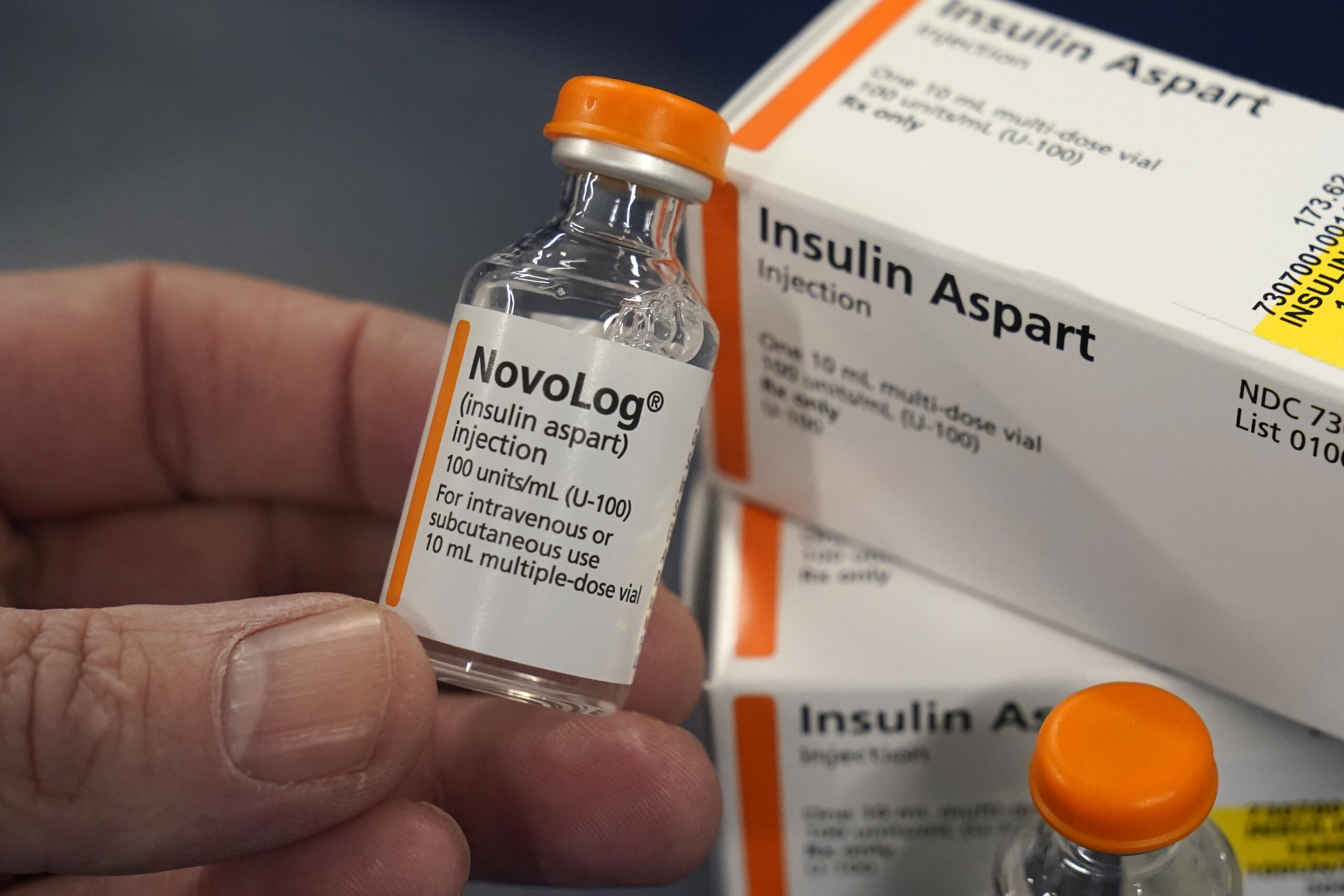
- Gain-of-function research has played a role in the development of treatments such as recombinant insulin and viruses that break down cancer cells.
Unless you work in a laboratory or a university, you probably don’t spend much time thinking about different scientific research approaches.
If nerdy technical phrases such as “cohort studies” and “randomized controlled trials” don’t mean much to you, odds are good you’re also unfamiliar with “gain-of-function” research.
The term broadly describes experiments that genetically alter organisms to give them new skills or enhance existing traits. It’s often used in agriculture, medicine and sustainability research.
The federal government on July 28 announced it would stop funding some of this research. So we’re here to explain what it is.
What is gain-of-function research?
Allen Segal, chief strategy officer for ASM, a professional life sciences association, likened gain-of-function research to someone trying to make their car faster by giving it different tires or altering its engine. First, you’d make the changes, then you’d test them, and along the way you might learn how each part affects how the car works.
Michael J. Imperiale, a University of Michigan professor emeritus of microbiology and immunology, said some people use “gain of function” to refer exclusively to a subset of experiments — those in which “an infectious agent such as a virus becomes more virulent.” The result, they warn, can make people sicker, spread more easily or evade a vaccine.
Why do scientists conduct gain-of-function experiments?
It doesn’t always involve making a microbe more dangerous. The technique can make an organism easier to detect in a lab. For example, it could be used to make a microbe express a fluorescent protein so it becomes easier to see under a microscope, Segal said.
Genetically manipulating pathogens can help researchers learn how they infect, replicate and cause disease, said Felicia Goodrum, a Dartmouth College microbiology and immunology professor.
In the early 2010s, studies showed that a few mutations could make the H5N1 avian influenza virus transmissible between mammals — something previously viewed as rare or even impossible among these viruses.
That’s useful information for public health authorities, who could “look for whether such mutations are happening in birds and take action before the virus has a chance to spread in humans,” Imperiale said.
Scientists might also develop antibiotic-resistant bacteria hoping to develop drugs that work in a different manner, he said.
Gain-of-function research outcomes are seen in various ways, experts said.
Recombinant insulin used to treat diabetes was created by genetically altering the bacteria E. coli or the fungus yeast so that it produces the insulin hormone. In 2021, researchers investigating how to reduce plastic waste modified E. coli so that it converted plastic into vanilla flavoring. Some oncolytic viruses — viruses that infect and break down cancer cells — work as cancer treatments because they’ve been given new properties that kill tumors.
Does this research have risks?
It has sparked controversy more than once in the past 15 years. The H5N1 gain-of-function research prompted scrutiny and triggered the government to create guidelines and require oversight. Then, during the COVID-19 pandemic, people circulated an unproven theory that the virus, SARS-CoV-2, had leaked from the Wuhan Institute of Virology in China.
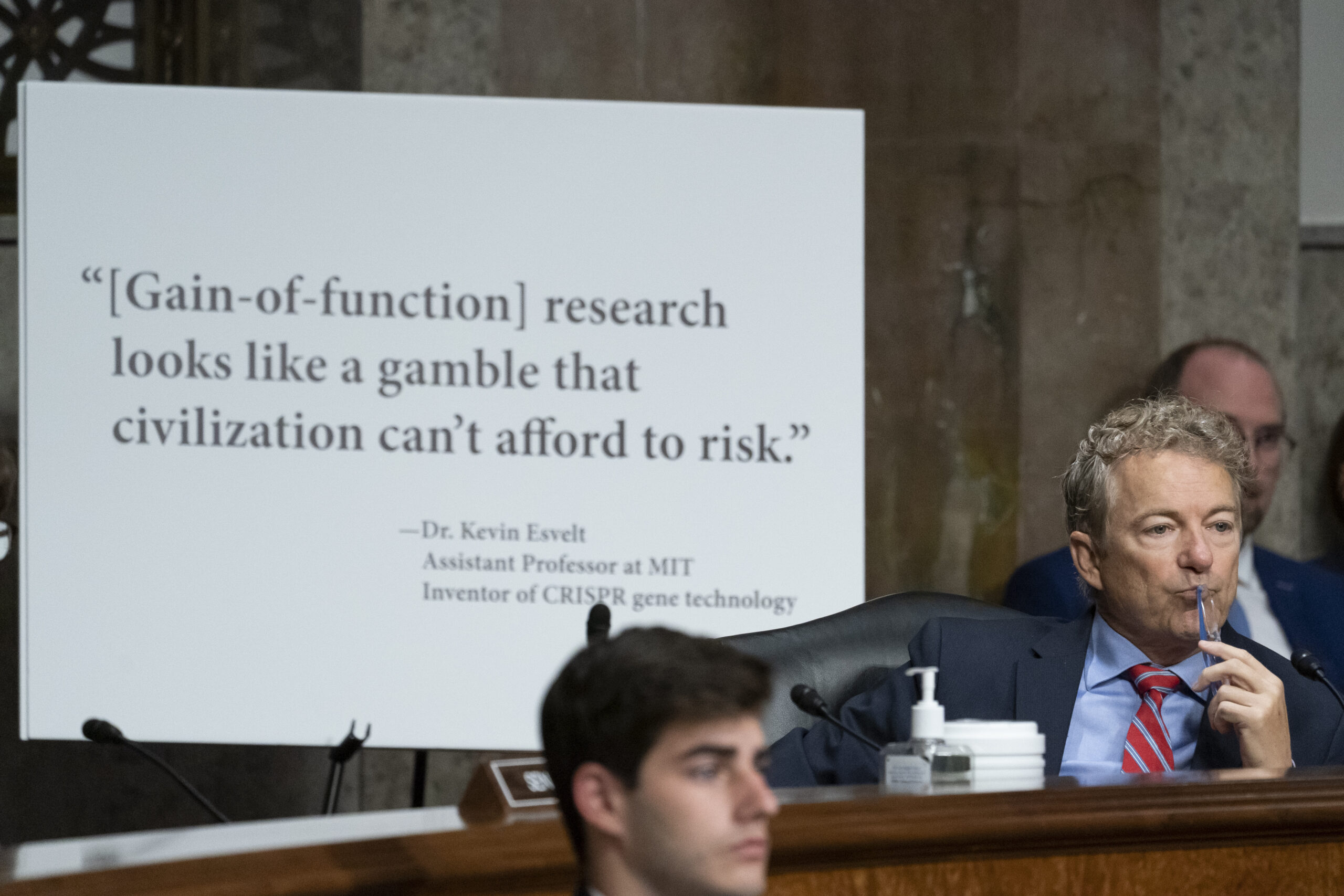
Gain-of-function’s controversy stems from fears that a manipulated pathogen could escape the confines of laboratory research, causing severe disease spread. Another concern is that bad actors could try to use the findings to deliberately cause harm.
Goodrum said stringent U.S. biosafety protocols block especially high risk gain-of-function experiments.
This research is also conducted in biosafety laboratories that are designed to prevent pathogens from accidentally escaping, Imperiale said.
“To mitigate the risk, scientists are highly trained about how to work safely with these agents, especially since they would be the first people who are exposed,” he said.
March Lipsitch, a Harvard University epidemiology professor, is among scientists who believe gain-of-function research’s benefits do not outweigh its potential risks.
Findings from gain-of-function research can’t always be applied broadly: Viral strains made in laboratory experiments aren’t guaranteed to match naturally occurring environmental viruses. Even very similar viral strains can behave differently.
“There’s a big element of randomness in evolution,” Lipsitch told the Los Angeles Times in 2024. “The fact that an experiment goes one way in the lab doesn’t mean it will go the same way somewhere else.”Goodrum sees it differently, saying a lot of gain-of-function research has vast benefit and very little risk. She said experiments are carefully reviewed by the institution planning to conduct them and the agency helping to fund them. The benefits of high-risk research should be carefully evaluated and those with little benefit should not be done — and those guardrails are in place, she said.
“Improvements are possible, but no science in the U.S. is conducted without this sort of oversight,” Goodrum said.
Has the U.S. ended funding for gain of function?
In late July, the Trump administration announced a policy that would end federal funding for what it deemed “dangerous” gain-of-function research, defined as research that “enhances a property or properties of a biological agent in ways that make it more dangerous.”
The administration listed seven criteria, any of which would mean the research would qualify as being deemed “dangerous.”
Some gain-of-function research could still receive federal funding under the policy, provided it has the potential to result in one or more of the seven outcomes that constitute dangerous gain-of-function research, but only after an independent third-party group reviews and recommends it.
During an Aug. 2 Fox News interview, Health Secretary Robert F. Kennedy Jr. accused gain-of-function research of contributing to the spread of Lyme disease, RSV and COVID-19. Research does not support that gain-of-function research created the bacteria responsible for Lyme disease or the virus behind RSV. Although the exact origins of SARS-CoV-2 remain disputed, Imperiale said there is “zero credible evidence” it was the result of a gain-of-function experiment.
Our Sources
Email interview with Felicia Goodrum, a microbiology and immunology professor at Dartmouth College’s Geisel School of Medicine, Aug. 7, 2026
Email interview with Michael J. Imperiale, professor emeritus of microbiology and immunology at the University of Michigan, Aug. 7, 2026
Emailed interview with Allen Segal, chief strategy officer for ASM, Aug. 7, 2026
Journal of Virology, Virology under the Microscope—a Call for Rational Discourse, Aug. 7, 2026
Harvard T.H. Chan School of Public Health, Little to be gained through ‘gain-of-function’ research, says expert, Jan. 9, 2025
Los Angeles Times, Why scientists say we are fighting H5N1 bird flu with one hand tied behind our backs, Dec. 24, 2024
Undark, The Long, Contentious Battle to Regulate Gain-of-Function Work, Dec. 11, 2024
Rice University’s Baker Institute for Public Policy, Gain-of-Function Research Is Vital to US Innovation, Oct. 25, 2024
Science, Exclusive: NIH suspends dozens of pathogen studies over ‘gain-of-function’ concerns, July 11, 2025
U.S. Department of Health and Human Services, Trump Administration Releases New Government-Wide Policy to End Dangerous High-Risk Research, July 28, 2026
PolitiFact, No, Dr. Anthony Fauci did not fund research tied to COVID-19 ‘creation,’ Feb. 8, 2021
PolitiFact, Video doesn’t prove claims that Pfizer conducted ‘gain of function’ COVID research, Feb. 6, 2023
Virology blog, Gain of function research explained, Aug. 7, 2026
University of Wisconsin-Madison News, After epic debate, avian flu research sees light of day, May 2, 2012
Vox, Why some labs work on making viruses deadlier — and why they should stop, May 1, 2020
CIDRAP, Fouchier study reveals changes enabling airborne spread of H5N1, June 21, 2012
ScienceDirect, Recombinant Human Insulin – an overview, accessed Aug. 7, 2026
The Washington Post, With vanilla flavoring made from plastic bottles, scientists use bacteria to transform waste, June 15, 2021
Green Chemistry, Microbial synthesis of vanillin from waste poly(ethylene terephthalate)†, June 10, 2021
PubMed, Viral genetic diversity and protective efficacy of a tetravalent dengue vaccine in two phase 3 trials, Aug. 20, 2018
mBio via PubMed Central, Use of Highly Pathogenic Avian Influenza A(H5N1) Gain-Of-Function Studies for Molecular-Based Surveillance and Pandemic Preparedness, Dec. 12, 2014
National Cancer Institute, Definition of oncolytic virus, accessed Aug. 7, 2026
European Endocrinology, Recombinant Human Insulins – Clinical Efficacy and Safety in Diabetes Therapy, March 15, 2016
CNN, RFK Jr. targets Fauci and pushes medical misinformation in fiery CNN interview, Aug. 2, 2026
FactCheck.org, RFK Jr.’s Falsehood-Filled CNN Interview, Aug. 4, 2026
Virology blog, There Is Something to Be Gained From Gain of Function Experiments | Virology Blog, May 4, 2023
The Washington Post, A flu virus risk worth taking, Dec. 30, 2011
National Library of Medicine, Potential Risks and Benefits of Gain-of-Function Research: Summary of a Workshop, April 13, 2015
MedPage Today, Trump’s Gain-of-Function Policy May Suppress Key Pandemic Research, Aug. 6, 2026
mBio, Use of Highly Pathogenic Avian Influenza A(H5N1) Gain-Of-Function Studies for Molecular-Based Surveillance and Pandemic Preparedness, Dec. 12, 2014
Fox News, RFK Jr. declares HHS is ending funding for gain-of-function research, Aug. 2, 2026
ASM, Gain of Function Research, accessed Aug. 10, 2026
The White House, United States Government Policy for Stopping High-Risk Life Sciences Research, July 20, 2026
Internet Archive, Fox Friends Weekend FOX News August 2, 2026 6:00am-7:00am PDT, accessed Aug. 10, 2026
World Health Organization, WHO Scientific advisory group issues report on origins of COVID-19, June, 27 2025
Axios, We’ll probably never know how COVID originated, Aug. 10, 2026
The New York Times, What We Know About Dr. Fauci Pleading the Fifth in Senate Hearing on Covid Origins, July 30, 2026
Journal of Korean Medical Science via PubMed Central, On the Controversies Surrounding the Lab-Leak Theory of COVID-19, April 22, 2025