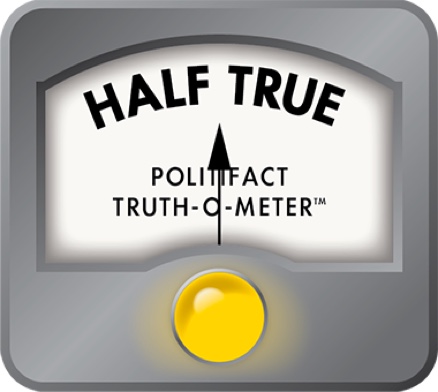
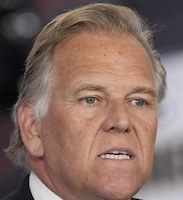
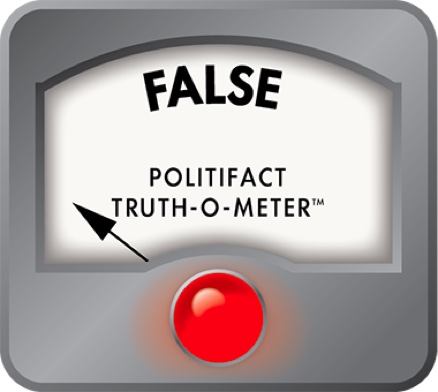
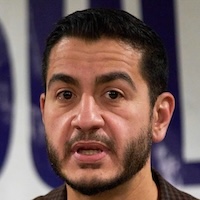
Is Abdul El-Sayed a doctor? Fact-checking Mike Rogers in Michigan Senate race
If your time is short
- Abdul El-Sayed has a doctor of medicine degree, commonly known as MD, from Columbia University in New York and a doctorate in public health from Oxford University in England.
- He did not do a residency after medical school, which is typically the next step in becoming a practicing physician, instead focusing on a career in public health. He’s never been licensed to practice medicine or treat patients.
- Michigan law and federal law define a physician as someone licensed to practice. But major medical professional organizations don’t have that requirement.
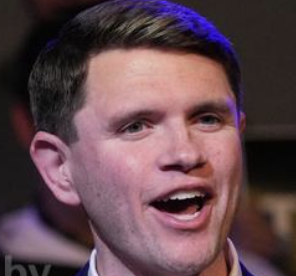
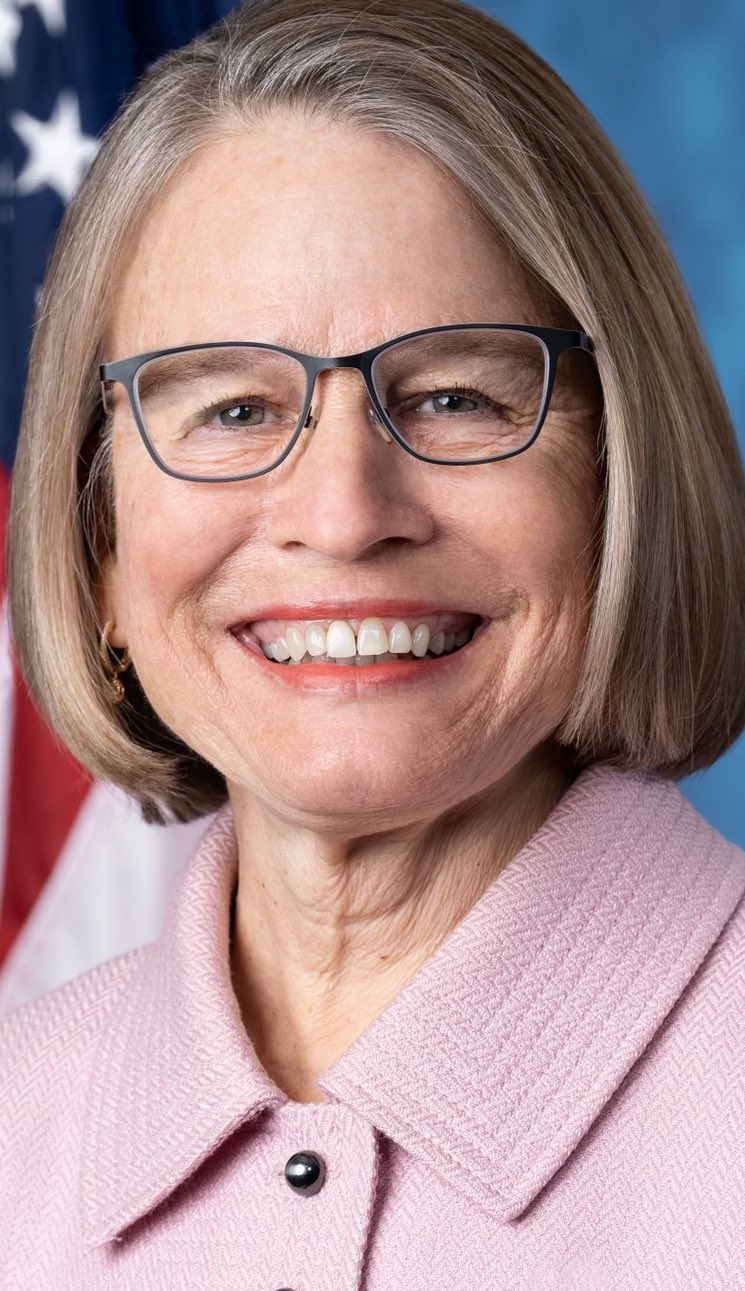
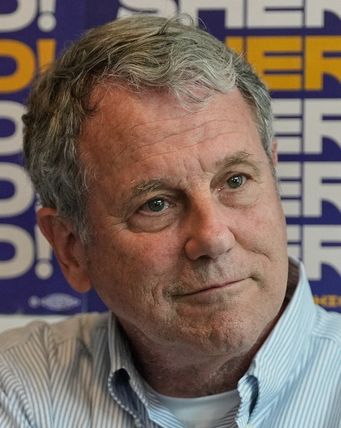
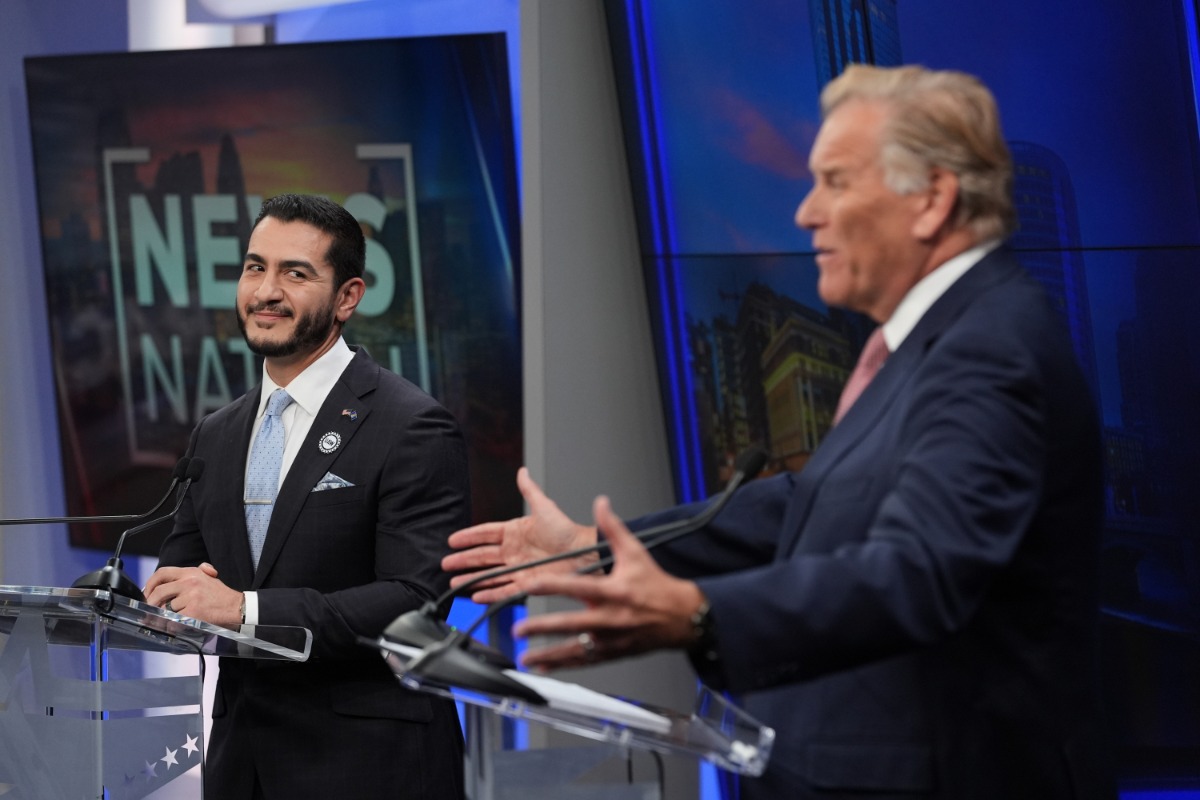
Republican U.S. Senate candidate Mike Rogers has challenged Democrat Abdul El-Sayed’s medical bona fides in recent weeks, saying El-Sayed has misled voters about his credentials.
“He’s not really a doctor,” Rogers said during an Oct. 8 debate. “He says he’s a physician. As a matter of fact, if somebody came into his office and he tried to treat that patient, he’d go to jail.”
At other points in the debate, Rogers said, “not a physician,” after El-Sayed said he was a doctor, and Rogers said El-Sayed “lied about being a physician.” In a social media post the next day, Rogers said, “Abdul isn’t a real doctor.”
El-Sayed leans on his medical training in his campaigning to signal authority on healthcare policy. During the debate, El-Sayed pointed to his medical degree from Columbia University and said Rogers can “take it up with them.”
Former President Barack Obama also flexed El-Sayed’s credentials, saying in a recent ad, “Abdul’s a doctor, and he’s taken on special interests to fight for good jobs, better healthcare and lower costs.”
El-Sayed has a doctor of medicine degree, which requires four years of medical school after college. He didn’t pursue residency and has never held a medical license in Michigan or New York. Because he doesn’t have a license, he’s not legally allowed to treat patients or write prescriptions.
His degree makes him a doctor. Whether he is a “physician” depends on who’s defining it.
When asked for comment, Rogers’ campaign pointed us to Michigan and New York state laws that define physician as someone licensed to practice medicine.
“He’s not a licensed physician, never completed his residency, can’t write a prescription, and can’t even treat a patient,” Rogers spokesperson Alyssa Brouillet said.
El-Sayed’s campaign defended his use of the term, pointing PolitiFact to the American Medical Association’s definition of physician, which includes anyone with a doctor of medicine degree.
Dr. Michael Genovese, the chief medical adviser at Ascendant, a rehabilitation facility in New York, told PolitiFact that state laws and professional organizations define physician differently.
“Under the AMA’s definition, “physician” refers to someone with an MD, DO, or recognized equivalent physician degree,” Genovese said. “So, the clearest way to think about it is this: all physicians are doctors, but not all doctors are physicians.”
El-Sayed’s background
El-Sayed has at times spoken about treating patients and referred to himself as a “physician.” His LinkedIn profile uses that term. “I’m a physician. I trained to take care of people,” he said in a March interview on the show “Breaking Points.”
At other times, El-Sayed has been clear about the limits of his credentials. Speaking at a press conference after his Aug. 4 primary win, he said, “I don’t practice medicine, as has been well documented by all of you.”
Medical students are involved in patient treatment as part of their training. Genovese said the post-graduation residency process prepares doctors to practice as independent physicians.
“Successfully training residents to become competent, independent physicians requires balancing supervision and autonomy,” he said.
After receiving a bachelor’s degree from the University of Michigan, El-Sayed pursued a combined MD/PhD program in medicine and public health at the University of Michigan medical school. While there, he received a Rhodes Scholarship to study public health at Oxford University in England, where he received his doctorate in public health.
He completed his medical degree at Columbia University in New York, graduating in 2014.
While in medical school, he withdrew his residency application to instead focus on a career in public health, and he was appointed assistant professor in Columbia University’s School of Public Health, separate from its medical school. He became the executive director of Detroit’s Public Health Department in 2015, a position he held for two years until his unsuccessful 2018 run for governor. From 2022 to 2025, he directed the Wayne County health department, where Detroit is located.
El-Sayed has told a story about why he decided not to practice medicine multiple times during this campaign. While in a four-week sub-internship — an advanced clinical rotation that involves doing work similar to a resident — during medical school, El-Sayed said he treated a woman who was homeless and had a substance abuse problem. Shortly after the patient refused a referral to rehab and left the hospital, El-Sayed said he saw her sleeping on the subway. That inspired him to work on improving the health system rather than work with individual patients, he said.
“Our system is not built to take care of those kinds of patients. And if it was a just system, it would be,” he said in a recent interview on “The Ezra Klein Show.”
What’s a physician?
There isn’t one standard definition of physician.
Michigan’s medical licensing law says a physician is “an individual who is licensed or authorized under this article to engage in the practice of medicine.” Federal law also often defines a physician as someone licensed to practice medicine.
Dr. Thomas Powell, a medical executive and licensed physician trained in anesthesiology, said “doctor” is an academic title, while “physician” describes practice.
“In ordinary use, and in state law, it means someone with a medical degree who is licensed to practice medicine,” Powell said.
The American Medical Association, the professional association for physicians in the U.S., doesn’t list licensing as a requirement for being a physician. Its definition of a physician is someone who has received a doctor of medicine, doctor of osteopathic medicine, or an equivalent degree from a school of medicine and doesn’t stipulate a licensing requirement.
Our Sources
Email exchange with Mike Rogers spokesperson Alyssa Brouillet, Oct. 13, 2026
Email exchange with Abdul El-Sayed campaign, Oct. 13, 2026
Email interview with Dr. Michael Genovese, chief medical officer at Ascendant New York
Email interview with Dr. Thomas Powell, healthcare executive and licensed physician, Oct. 13, 2026
YouTube, Abdul El-Sayed hosts ‘Shouldn’t be This Hard’ tour in Port Huron, Oct. 6, 2026
Dr. Abdul El-Sayed, X post, Oct. 12, 2026
Mike Rogers, X post, Oct. 8, 2026
Mike Rogers, X post, Oct. 9, 2026
LinkedIn, Abdul El-Sayed profile, accessed Oct. 12, 2026
YouTube, Dem Party Civil War Over Hasan Piker, March 27, 2026
Detroit Free Press, Live: Abdul El-Sayed press conference after defeating Haley Stevens in Michigan Senate primary, Aug. 5, 2026
Vagelos College of Physicians and Surgeons, Alumni Profile: Abdul El-Sayed’14, May 23, 2024
YouTube, Abdul El-Sayed Is a Test for Democrats | The Ezra Klein Show, Sept. 25, 2026
POLITICO, Michigan Senate hopeful El-Sayed calls himself a ‘physician’ but has little history treating patients, May 12, 2026
www.merriam-webster.com, Source, accessed Oct. 12, 2026
www.legislature.mi.gov, MCL – Section 333.17001 – Michigan Legislature, accessed Oct. 12, 2026
Legal Information Institute, 42 CFR § 405.400 – Definitions., accessed Oct. 12, 2026
American Medical Association,Definition of a Physician, accessed Oct. 12, 2026