Magnesium mocktails: Sleep improver and stress reducer? Or is it made up?


If your time is short
- Magnesium is an essential mineral and dietary nutrient that helps the body produce protein, regulate calcium and blood pressure and maintain bone, nerve, muscle and heart function.
- Existing research doesn’t definitively show that increasing magnesium intake improves sleep quality or reduces stress and anxiety.
- Supplements are recommended for people with magnesium deficiencies, but such deficiency diagnoses are uncommon and can come with a host of symptoms, including numbness, nausea and tingling.
The sun went down hours ago. You’re lying in bed, hoping to sink into sleep. But as the minutes tick by, your mind flits from stressor to stressor. One second, you’re mentally rehearsing a work conversation, the next you’re unpacking a recent argument.
Would a magnesium mocktail help you sleep? For some people, the answer is a hard yes.
An Instagram content creator who posts about fitness described her usual cherry mint mojito magnesium mocktail to followers.
“Magnesium is heavily researched and science-backed,” she said. “It’s scientifically proven to help reduce anxiety, help you sleep better, so don’t trust me — trust the scientists.”
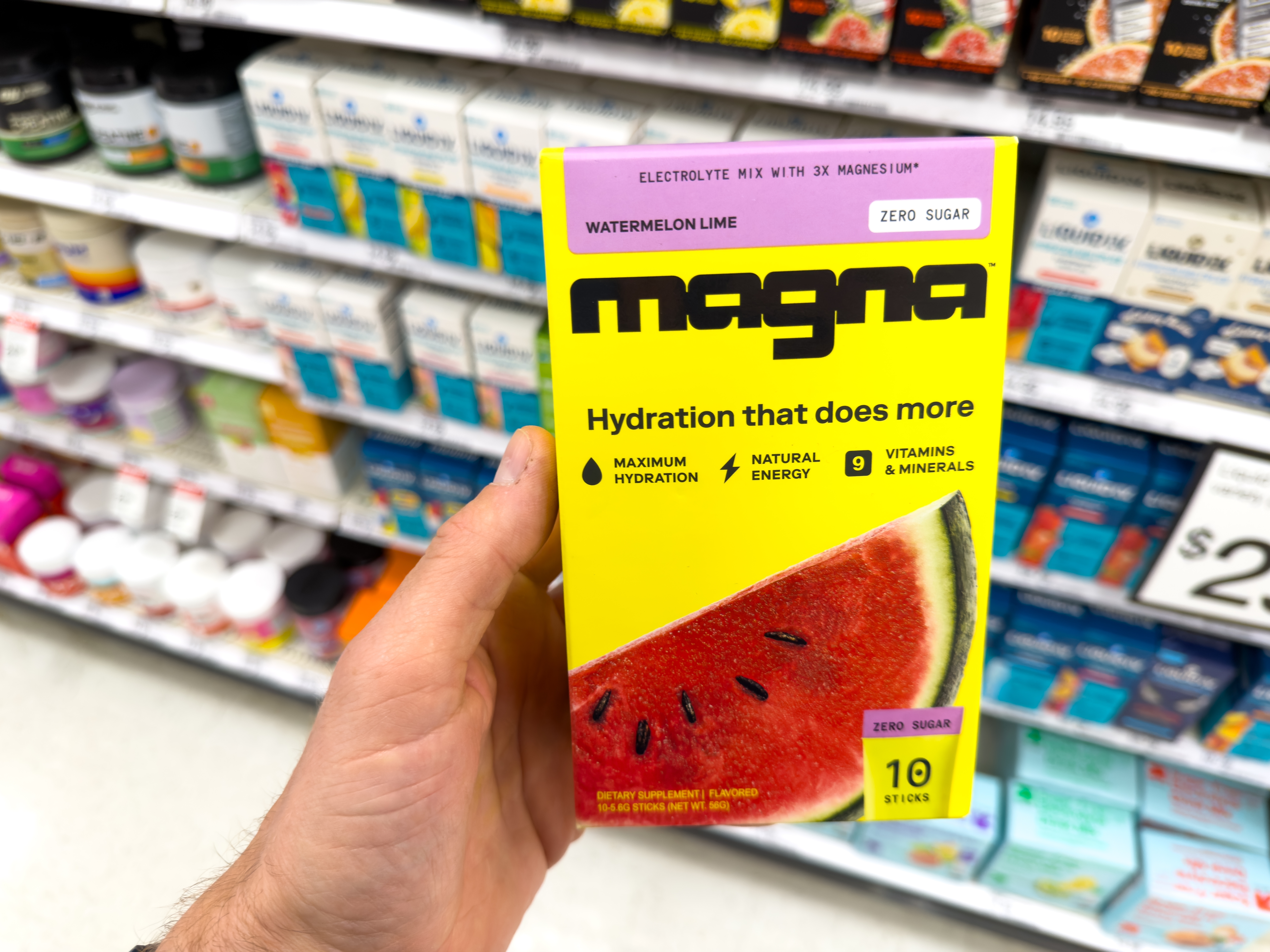
Other fitness and lifestyle influencers have also promoted different magnesium mocktail mixes — including the tart cherry juice “sleepy girl mocktail” that became popular in 2023 — for their purported sleep and stress management benefits. You can get flavored supplement mixes with magnesium in all flavors: orange, mixed berry, pineapple, lemon lime, cherry limeade, strawberry limeade and chai.
Do these drinks really work? They might taste good, and magnesium does have benefits. But science doesn’t conclusively show these drinks help sleep.
Limited research on magnesium, sleep and stress
Overall, the evidence supporting magnesium as a sleep aid comes from small studies, integrative medicine specialist Dr. Naoki Umeda told Cleveland Clinic.
The essential mineral and dietary nutrient is proven to help the body regulate calcium and blood pressure; produce protein; and maintain bone, nerve, muscle and heart function.
Supplements offer various types of magnesium. Claims around stress relief and sleep benefits commonly refer to magnesium glycinate. Magnesium citrate and oxide, meanwhile, can have laxative effects.
A 2021 review of randomized, placebo-controlled trials found no strong evidence for physicians to recommend older insomnia patients use oral magnesium supplements. Given the supplements’ low cost and wide availability, researchers said even the substandard evidence showing potential benefit could make it helpful in relieving insomnia.
A 2022 review of both observational studies and randomized controlled trials found inconsistent results and concluded there’s no sufficient evidence to definitively say whether magnesium intake and sleep quality are linked.
The observational studies largely found an association between higher magnesium levels and sleep quality. And among five randomized controlled trials, two found that a magnesium supplement could improve sleep efficiency and sleep time and reduce wakefulness. But the other three found no significant sleep quality improvement compared with a placebo.
A 2025 placebo-controlled study of 155 adults who self-reported poor sleep quality found that a daily supplement of 250 milligrams of magnesium bisglycinate “modestly improved insomnia severity.”
A 2017 review examined 18 studies that looked at whether magnesium supplements — sometimes in combination with other interventions — alleviated anxiety and stress. Research participants were vulnerable to anxiety, including people with hypertension, premenstrual syndrome and mild anxiety. Nine of those studies showed magnesium had positive effects on anxiety outcomes.
Researchers warned of limitations.
“The quality of the existing evidence is poor,” they wrote.
In 2023, registered dietitian Devon Peart told Cleveland Clinic that the “sleepy girl mocktail” drinks might help people relax and fall asleep faster, but it’s not a guaranteed way to improve sleep.
“I would put it in the category of ‘it’s worth a try,’ as long as you don’t have any medical conditions that make it risky,” Peart told Cleveland Clinic. “If your options are something like a sleepy girl mocktail versus a medication sleep aid, I’d say it’s OK to try something like this first before turning to medication.”
Dr. Pieter Cohen, an associate professor at Harvard Medical School who studies supplements, told The New York Times in 2024 that magnesium might help people with restless leg syndrome, which can reduce sleep quality, but generally if people think these mocktails work for them, it’s probably the placebo effect.
Most people get some magnesium through food
One reason you may consider taking a magnesium supplement is if blood or urine tests show you have a deficiency. Such deficiencies are often linked to malnutrition, gastrointestinal conditions like Crohn’s disease, kidney disease, alcohol use disorder and certain medications.
Your diet provides much of the magnesium your body needs. It’s found in many foods such as dark green, leafy vegetables; fruits including bananas, dried apricots and avocados; nuts; peas and beans; soy products like tofu; and whole grains.
If you eat a single serving of spinach, an ounce of almonds and a banana, you’ll get about 190 milligrams of magnesium, according to Harvard Health Publishing. That’s approaching half the amount of magnesium recommended for men each day — and more than half the recommended daily allowance for women.
The Food and Nutrition Board at the National Academies of Sciences, Engineering, and Medicine’s recommended dietary allowance for magnesium is:
- 400 milligrams per day for men ages 19 to 30 years old; 420 milligrams per day for men ages 31+
- 310 milligrams per day for women ages 19 to 30 years old; 320 milligrams per day for women ages 31+.
Although about half of the U.S. population doesn’t get the full recommended allowance each day, prolonged shortages are what can lead to symptoms of a deficiency — including nausea, reduced appetite, fatigue, numbness, tingling and abnormal heart rhythms.
It’s possible to get too much magnesium, which can cause side effects including diarrhea, nausea, headache and stomach cramps. You’re at the highest risk of these side effects if you take a supplement with more than 350 milligrams of magnesium each day. Be aware when buying magnesium drink mixes online, especially if you also take other supplements containing this mineral: We found formulas with 100 milligrams, 320 milligrams and 420 milligrams on the ingredients list.
RELATED: Do you need that vitamin? Review this checklist first
Our Sources
Flexwithbex’s Instagram post, Jan. 18, 2026 (archived here)
Jenna Guerrettaz’s Instagram post, June 18, 2026
Thatskeayni’s TikTok post, May 14, 2026 (archived here)
The New York Times, Is Magnesium Better for Sleep Than Melatonin?, Sept. 3, 2026
Scientific American, Could Magnesium and TikTok’s ‘Sleepy Girl Mocktail’ Actually Help You Sleep? Feb. 16, 2024
Cleveland Clinic, Does Magnesium Help You Sleep Better? Sept. 4, 2026
Cleveland Clinic, Sleepy Girl Mocktail: What’s in It and Does It Really Make You Sleep Better? Nov. 8, 2023
The New York Times, Sleepy Girl Mocktail: Can This Tart Cherry Juice Drink Help You Fall Asleep? Jan. 17, 2024
Glamour Magazine, The ‘sleepy girl mocktail’ is trending on TikTok because it’s giving people the best night’s sleep of their life, April 25, 2023
The New York Times, Can Magnesium Supplements Really Help You Sleep? Aug. 31, 2021
Springer Nature Link, Oral magnesium supplementation for insomnia in older adults: a Systematic Review & Meta-Analysis, April 17, 2021
Springer Nature Link, The Role of Magnesium in Sleep Health: a Systematic Review of Available Literature, Feb. 19, 2022
MedLine Plus, Magnesium in diet: MedlinePlus Medical Encyclopedia, accessed Sept. 11, 2026
Dovepress, Magnesium Bisglycinate Supplementation in Healthy Adults Reporting Poor Sleep: A Randomized, Placebo-Controlled Trial, March 15, 2025
Harvard Health Publishing, What can magnesium do for you and how much do you need?, June 3, 2025
Oregon State University, Magnesium | Linus Pauling Institute, accessed Sept. 15, 2026
Oxford Academic Nutrition Reviews, Suboptimal magnesium status in the United States: are the health consequences underestimated?, March 1, 2012
Cleveland Clinic, Magnesium for Anxiety: Does It Help? Nov. 28, 2023
Nebraska Medicine Omaha, 8 magnesium deficiency symptoms (and 9 high magnesium foods), Dec. 8, 2022
Houston Methodist Leading Medicine, Magnesium Deficiency: Symptoms, Causes & How to Test for Low Magnesium, April 24, 2023
UCLA Health, Here’s what to know about magnesium benefits, Nov. 5, 2025
Mayo Clinic Press, Types of magnesium supplements: Best use and benefits for your health, July 31, 2025
1st Phorm, Magnesium Powder, accessed Sept. 16, 2026
Just Ingredients, Strawberry Limeade Nighttime Relax – Just Ingredients, accessed Sept. 16, 2026
Calming Co., Ü Relax 2.0, accessed Sept. 16, 2026
Natural Vitality, CALM Powder Orange, 8 oz (226 g) Powder, accessed Sept. 16, 2026
The New York Times, Do You Need to Take Magnesium Supplements? Nov. 19, 2024