Creatine: Sorting its promise from its overpromises

If your time is short
- Your body naturally produces creatine and creatine monohydrate supplements are generally safe for healthy people whose kidneys function normally.
- Studies show that taking a creatine monohydrate supplement can help you gain small amounts of muscle mass and increase your strength, particularly when you combine it with exercise, weightlifting and resistance training.
- Anyone promoting dramatic muscle gains is overstating creatine’s proven, modest benefits.
Looking to “optimize” your cells and increase your energy level like Kris Jenner? Or build muscle without working out? If you take celebrities, ads and fitness creators at their word, creatine is the answer.
Creatine is a longstanding and well-studied supplement and it can help with modest muscle gain. But we’re sorry to say that sometimes the people singing creatine’s praises and selling creatine products leave out important nuances or stretch the scientific findings with overpromises.
Creatine naturally exists in human bodies, produced by the kidneys, liver and pancreas. It’s a muscle-fueling energy source made from three amino acids, the molecules that make proteins.
About 50% of a person’s daily creatine needs should come from diet. It’s primarily found in meat, poultry and fish, which can sometimes leave vegetarians and vegans a bit short on dietary creatine.
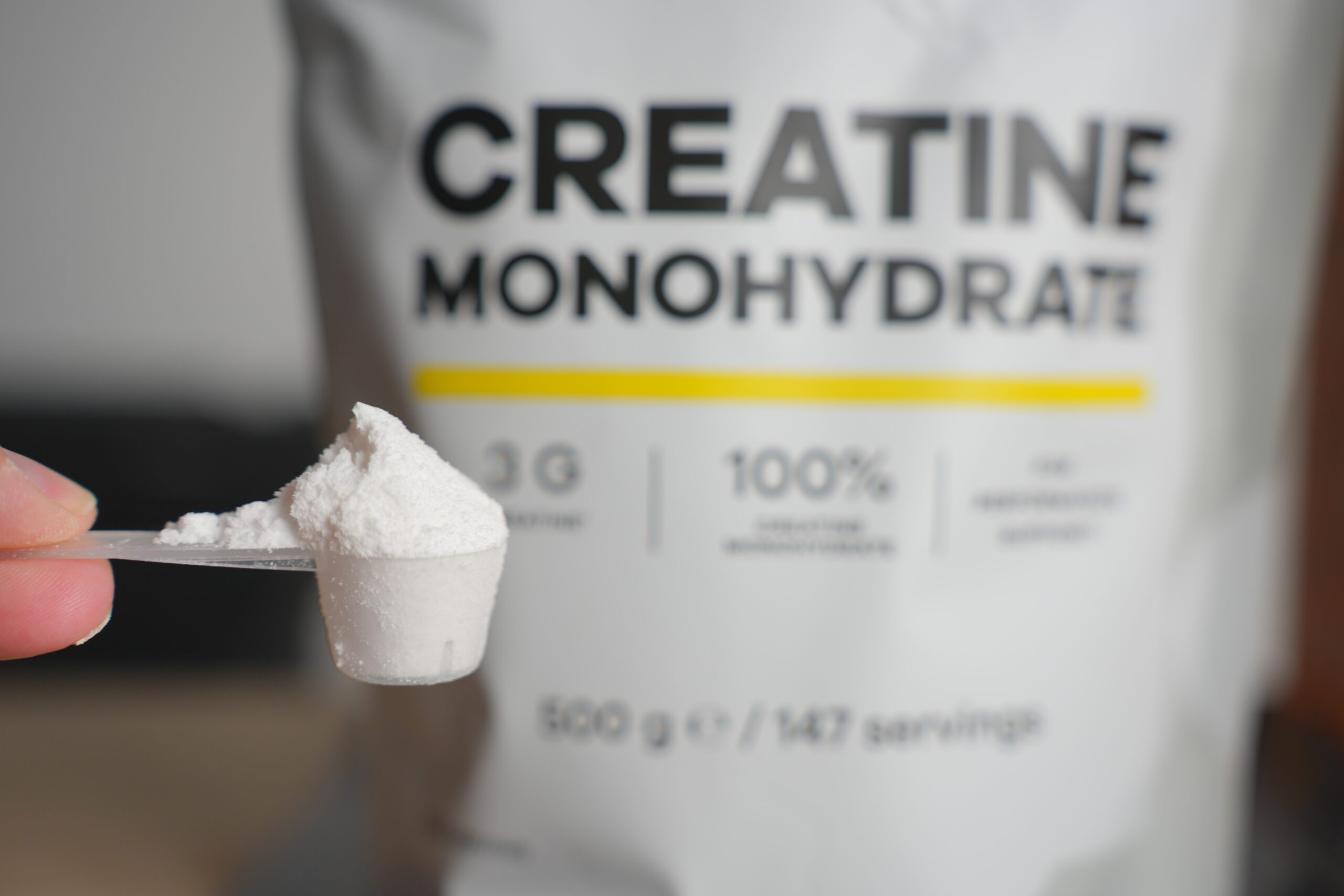
The most common creatine supplement is called creatine monohydrate, which is made up of a creatine molecule and a water molecule. It’s the most evidence-based and affordable — and health enthusiasts like that the human body easily absorbs it. When about 95% of studies refer to creatine, they’re talking about creatine monohydrate.
It has some known benefits, but it’s not a guaranteed way to build muscle without any effort and, even with exercise, it’s unlikely to leave you looking cut.
Is a creatine supplement safe?
Creatine monohydrate supplements are generally safe for healthy people whose kidneys function normally, Dr. Jason Mitchell, chief medical officer at Geisinger Health in Pennsylvania, said during an appearance on the American Medical Association’s Health vs. Hype podcast.
“I can tell that to my patients who are 20, and I can tell that to my patients who are 80,” he said.
People with kidney disease or other medical issues should talk to their doctors before starting a creatine supplement. Creatine also hasn’t been studied among people who are pregnant or breastfeeding, Mitchell said.
It does have some possible side effects, including dizziness, weight gain from water retention, excessive sweating and gastrointestinal discomfort such as bloating, nausea, vomiting and diarrhea.
What does creatine do?
It helps muscles flex. Skeletal muscles store and use almost all of the body’s creatine — about 95% — during physical activity, Cleveland Clinic reported. Some creatine is also stored in human brains, hearts and other tissues.
A molecule called adenosine triphosphate, or ATP, is your body’s main source of fast energy. It fuels muscle contraction, but muscles have very limited amounts of it available, especially during short bursts of strenuous exercise. Creatine stored in human muscles helps the body quickly regenerate adenosine triphosphate so muscles can keep working a little longer, said Health vs. Hype podcast host Trace Dominguez.
Creatine doesn’t create energy from nothing, but it “helps you maintain peak performance for longer bursts, which can translate to better workouts over time,” he said.
What creatine claims are backed by research?
Studies show that taking a creatine monohydrate supplement can help you gain small amounts of muscle mass and increase your strength, particularly when you combine it with exercise, weightlifting and resistance training.
The key benefit seems to be that it allows people to push themselves harder during a workout.
“Over time, that increased training capacity can translate to greater muscle gains,” clinical research dietitian L.J. Amaral told Cedars-Sinai.
Creatine monohydrate supplements can typically help people see about a 5% to 15% increase in the overall amount they can lift and exercise duration, such as the number of repetitions they can do, Mitchell said.
How much muscle a person can gain through regular exercise in a month depends on a confluence of factors, including the frequency and type of training, their age, their genes and what nutrients they consume. The American Council on Exercise cited examples of people gaining anywhere from a half-pound to two pounds a month. Some studies have shown that using creatine can increase fat-free muscle mass by about 2.5 pounds compared with resistance training alone.
Some studies also show that creatine can reduce symptoms of muscle damaging exercise or improve recovery from such exercise.
For older adults, there is some evidence that creatine supplements combined with moderate or high-intensity exercise can improve muscle health; additional studies are needed to determine if that combination can improve bone health and cognition. Some research shows that creatine supplements improved memory for healthy 66 to 76 year olds.
What promises go too far?
Without exercise, don’t expect to see benefits from a creatine supplement.
“Creatine’s benefits come from what it helps you accomplish in the gym, whether that’s lifting heavier weights, completing more reps or finding explosive speed,” Dr. Vijay Jotwani, a sports medicine doctor at Houston Methodist, told the hospital’s online publication in 2024. “Your body then responds to this by building more muscle.”
One 12-week study of 64 people found that a creatine supplement helped adults ages 45 to 65 increase their lean tissue mass by about 2.4 pounds, even without additional lifestyle or exercise changes. The finding challenged the existing research that shows it’s mainly beneficial when combined with exercise and training. One of its authors disclosed ties to the creatine supplement industry.
People promoting dramatic results are likely overstating creatine’s proven, modest benefits.
Officials who monitor athletes and Olympians for forbidden performance-enhancing drug use allow creatine supplements because it doesn’t have a huge impact.
“Although creatine can have a small effect on performance, the effects are not guaranteed and the specific training program remains most influential,” the U.S. Anti-Doping Agency says on its website.
Creatine also pulls water into your muscles, which can change your appearance, said Mitchell, the chief medical officer at Geisinger Health. That can run counter to peoples’ aims to look more muscular.
“Not only do you grow more because of lean muscle mass, but you also look a little more swollen,” he said. “If you want ripped abs, you’re not going to like what creatine does for you.”
Although some research has also shown that creatine supplements can improve short-term memory and cognitive reasoning or processing for healthy and fatigued people, the science on creatine for brain health is still uncertain because the research is limited and results have been inconsistent.
Mitchell said people concerned about long-term brain health would be better served by exercising, treating high blood pressure or diabetes and not drinking alcohol.
RELATED: Do you need that vitamin? Review this checklist first