The Epstein midterms: Why the deceased felon appears in Texas, Ohio, Georgia, MA Senate attacks

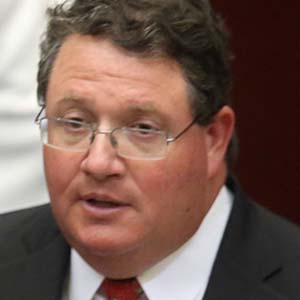
James Talarico, a Texas Democrat running for U.S. Senate, accused his Republican opponent, Attorney General Ken Paxton, of giving a sex offender a light jail sentence.
The lenient plea deal generated plenty of headlines and criticism, but Talarico drew even more attention to it in a May interview — accusing Paxton of doling out “Epstein-style sweetheart deals to pedophiles.”
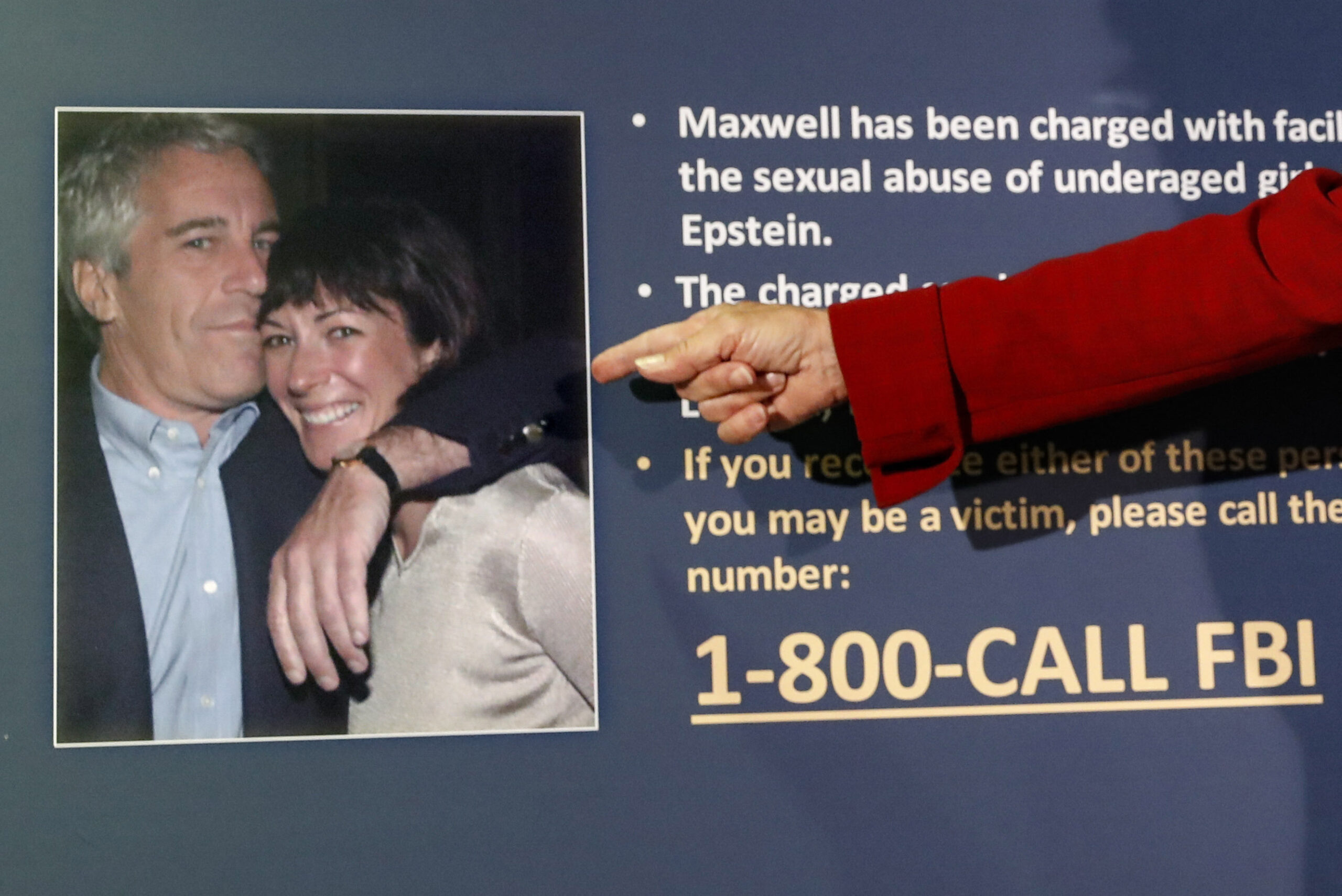
The accusation in the Texas Senate race is one of many attacks related to the late sex offender Jeffrey Epstein in the 2026 midterm elections, mostly coming from Democrats. Opposition researchers have scoured candidate records, looking for donations by people with Epstein ties, highlighting votes on releasing the Epstein files or digging up any tenuous connection to Epstein.
Epstein’s life — and his lenient sweetheart deal in Florida on state charges — is a tale about extreme wealth, sex, violence, power and lack of government transparency. He has spurred mysteries and conspiracy theories, including about his death. Associations with him have had consequences for powerful people, while the handling of Epstein’s case or investigative files led to an early exit for two of President Donald Trump’s Cabinet members.
“The Epstein saga, undoubtedly, has captured the attention of the American public,” said Alex Coppock, a Northwestern University political scientist. “There are long-lasting and recurring news cycles about every aspect of the Epstein story, especially as new troves of information are made available and then new political figures are in turn connected to Epstein.”
Many candidates have taken swipes at elites by criticizing the “Epstein class” — a nod to rich, high-powered people from both political parties who mingled with Epstein. Some candidates running against the party establishment have cited Epstein.
“If you’re part of the billionaire Epstein class that’s destroying the greatest nation on the planet, your days in control are numbered,” said Dan Osborn, an independent running for U.S. Senate in Nebraska, in an Aug. 6 X post.
Why campaigns are leveling Epstein attacks
Voters told pollsters this year their top concerns are about the economy, inflation and cost of living. So why so many ads about Epstein?
People take candidates’ character into account when voting, so campaign statements about the “Epstein class” could be a message to voters. The line of attack also plays into anti-elite messaging.
“Research on political advertising attacks suggest that negative advertising works when it’s relevant to voters — as perhaps the Epstein saga is relevant when it signals a candidate’s character weakness,” said Kim Fridkin, an Arizona State University professor who has researched negative campaigning.
Most Americans disapprove of Epstein and those who protected him, said Erika Franklin Fowler, Wesleyan University government professor.
The issue of corruption and ethics cuts across political parties. A YouGov poll found 85% of Americans — including 94% of Democrats and 84% of Republicans — think powerful elites helped Epstein target girls for sex crimes and they should be investigated.
Voters are sincere when they say they care about issues such as the economy or immigration. However, Coppock said, “It’s difficult to break through the media noise with messages about those issues whereas attacks that connect your opponent to one of the most difficult to look away from news stories in a decade is effective at grabbing attention.”
In Massachusetts, a brazen example of stretching Epstein files facts
Battling to end Sen. Ed Markey’s 50-year congressional career, fellow Democrat Rep. Seth Moulton unleashed a fresh attack on a Massachusetts debate stage weeks before the primary.
“Why would you even take a meeting with a lobbyist on behalf of Jeffrey Epstein?” Moulton said.
Markey fired back that he had never met Epstein and accused Moulton of “character assassination.” Their brawl stuck out in the contest between two Democrats who share disdain for Trump and found some common ground in a previous debate. It dominated news reports in the week that followed, landing with more punch than any policy tiffs.
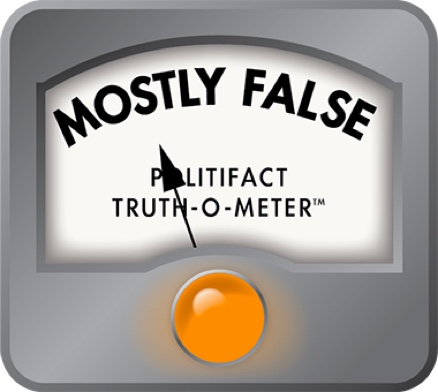
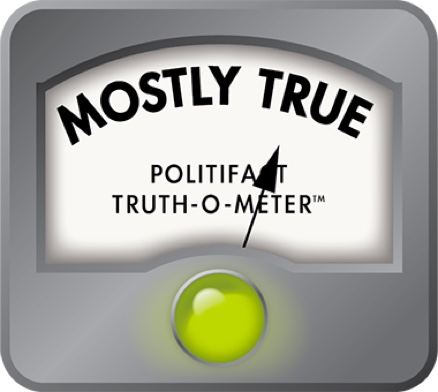
Moulton later posted an Instagram slideshow that included a graphic showing Markey and two men, one of them Epstein. “DOJ Epstein files reveal Senator Ed Markey was part of Epstein lobbying effort,” one slide read. We rated the statement Mostly False.
The attack is sparse on details, letting the voter’s mind wander. But whether Epstein emails show Markey was “part of” anything is thin.
Moulton was referring to a 2015 email in the Epstein files that mentioned Markey in connection with a person named Karim Wade, the son of the former president of Senegal.
At the time, Karim Wade was imprisoned in Senegal for corruption. Emails show Epstein offered to pay for U.S. lobbying on Wade’s behalf for his release from detention. An email said a lobbyist briefed Markey about the Wade case, but it had no details. Markey told a radio station in August that he wasn’t briefed.
In Georgia race, Ossoff leverages Epstein files for Collins attack
An ad by Sen. Jon Ossoff, D-Ga., says his Republican rival U.S. Rep. Mike Collins “admitted” Trump was in the Epstein files. We rated it Mostly False.
Before Trump signed the law that led to the files’ release, he shifted his position several times, fueling speculation that his former friendship with Epstein would feature prominently in the government’s trove.
Collins speculated that Trump was in the files, but Ossoff’s ad left out the big reason why. Collins said it’s logical Trump would be in there because he had flagged Epstein’s criminal behavior. Without this information, the ad gives the impression that Collins thinks Trump is in the files because of criminal behavior. Being in the files is not evidence of wrongdoing.
Ohio ads play up donor links to Epstein
The Ohio Senate campaigns of Democrat Sherrod Brown and Republican Sen. Jon Husted have run ads accusing each other of receiving six-figure donations from people they call “associates” of Epstein.
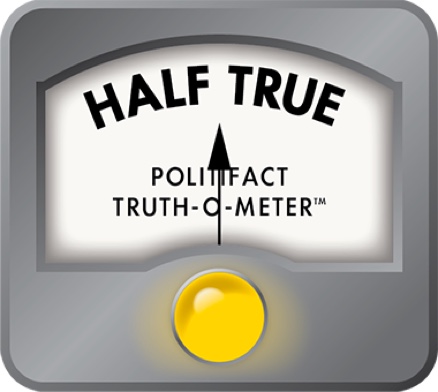
Brown’s ad accused Husted of taking $116,892 over more than two decades from Les Wexner, who hired Epstein as a financial adviser. Husted received donations from Wexner, but the attack is missing context about how much went to Husted individually. Wexner donated $79,900 to Husted as a solo candidate and $36,992 once Husted joined the ticket as the lieutenant governor candidate in Mike DeWine’s 2018 gubernatorial campaign. The ad also doesn’t mention that the Husted campaign later donated some of the money.
Husted’s spot accused Brown of taking more than $124,000 from more than a dozen people it calls Epstein associates.
WCMH-TV Channel 4 analyzed the donations and found that most were from people who interacted with Epstein socially but didn’t have a clear tie to his crimes.
In 2024 and 2025, Brown’s campaign received $10,300 from Larry Summers, former U.S. Treasury secretary and former Harvard University president who was a longtime Epstein friend.
PolitiFact Staff Writer Caleb McCullough and Contributing Writer Ben Brasch contributed to this article.
Our Sources
PolitiFact, Fact-checking James Talarico’s attack on Texas AG Ken Paxton about sex abuse plea deal, June 3, 2026
PolitiFact, Rival TV ads in Ohio’s US Senate race play up donors’ Epstein links. Are they legit? June 8, 2026
PolitiFact, Did Mike Collins admit that Trump was in the Epstein files? A Jon Ossoff ad omits critical facts, June 18, 2026
PolitiFact, Moulton cherrypicks Epstein files to turn tenuous connection to Ed Markey into campaign attack, Aug. 6, 2026
PolitiFact, There’s no evidence the Trump administration had a role in Jeffrey Epstein’s death, Aug. 13, 2019
PolitiFact, President Trump fires Attorney General Pam Bondi: How she helped his agenda, and shaded the truth, April 2, 2026
PBS, Larry Summers steps down from public commitments after emails show friendly relationship with Jeffrey Epstein, Nov. 18, 2025
NPR, Epstein files fallout takes down elite figures in Europe, while U.S. reckoning is muted, Feb. 14, 2026
Marquette Today, New Marquette Law School Poll national survey finds inflation and cost of living the most important issue; economy next most important, Aug. 5, 2026
YouGov, Half of Americans think Donald Trump was involved in Jeffrey Epstein’s alleged crimes, Feb. 10, 2026
Graham Platner, X post, June 10, 2026
Dan Osborn, X post, Aug. 6, 2026
Pew Research Center, As the 2026 Midterms Approach, Economy Is Front and Center, July 23, 2026
Email interview, Alex Coppock, associate professor of political science, Northwestern University, Aug. 7, 2026
Email interview, Erika Franklin Fowler, professor of government atWesleyan University and co-director Wesleyan Media Project, Aug. 7, 2026
Email interview, Kim Fridkin, foundation professor, School of Politics and Global Studies at Arizona State University, Aug. 7, 2026