Why sleep experts say permanent daylight saving time is a bad idea

If your time is short
- No longer changing the clocks and switching to permanent daylight saving time, what some House lawmakers want, would mean darker mornings and brighter evenings in the winter. Sleep experts say that would disrupt the body’s circadian rhythms and worsen sleep.
- Experts support doing away with clock changes, but they’d rather we make standard time permanent. This would mean more morning light and darker evenings.
- Light exposure helps the human body regulate its metabolism, hormone levels, temperature, blood pressure, digestion and immune system function. Bright mornings and dark evenings are important for keeping people’s internal clocks regulated.
Tired of changing the clock on your oven twice a year when the time changes? You are not alone.
Only 12% of Americans are satisfied with the nation’s current semiannual system of shifting clocks.
Congress is considering a bill to get rid of the changes.
On July 14, the U.S. House passed the Sunshine Protection Act to put the nation’s clocks on permanent daylight saving time, meaning darker mornings and more daylight in the evenings through the winter. It has not yet passed the Senate.
Getting rid of clock changes is popular, but people are divided over whether year-round daylight saving time or standard time is best.
Health and sleep experts, meanwhile, aren’t.
The American Medical Association, the American Academy of Sleep Medicine and the National Sleep Foundation support getting rid of our clock changes but agree that permanent standard time — the opposite of what Congress is advocating for — would be best for the nation’s health.
Darker mornings and bright evenings that come with daylight saving time could mess with the body’s internal clock, disrupt sleep, and harm long-term health.
Here’s why.
The sun regulates the body’s internal clock
We may not “tick” like the clock-swallowing crocodile in Peter Pan, but we all have our own internal clocks, called circadian rhythms.
These internal clocks keep our bodies on a schedule: spikes of cortisol, the stress hormone, help wake us up in the morning. Melatonin surges in the evening and makes us sleepy. We get a surge of hormones stimulating hunger before expected mealtimes, and appetite-suppressing hormones while we sleep.
It’s not just hormones that run on time. Research shows that blood pressure, metabolism, body temperature, digestion and the immune system all fluctuate throughout the day according to our internal clocks.
And that clock’s most important signal? Light.
“That’s why we get so concerned with discussion about anything that could disrupt that alignment,” said Dr. Anita Shelgikar, professor of neurology at the University of Michigan.
Morning light, with its shorter wavelengths of blue-green light, is especially important to training circadian rhythms. It enhances our mood and alertness, said Dr. Phyllis C. Zee, a specialist in sleep medicine at Northwestern University. Late-afternoon and evening light is composed of longer orange-red wavelengths that are more relaxing and less activating.
We can’t change how much the sun shines — days will be longer in the summer, shorter in the winter, and just how long depends on where you live. What we can change is how well our literal clocks — the ones that generally guide our sleep-wake schedules — line up with those external light patterns.
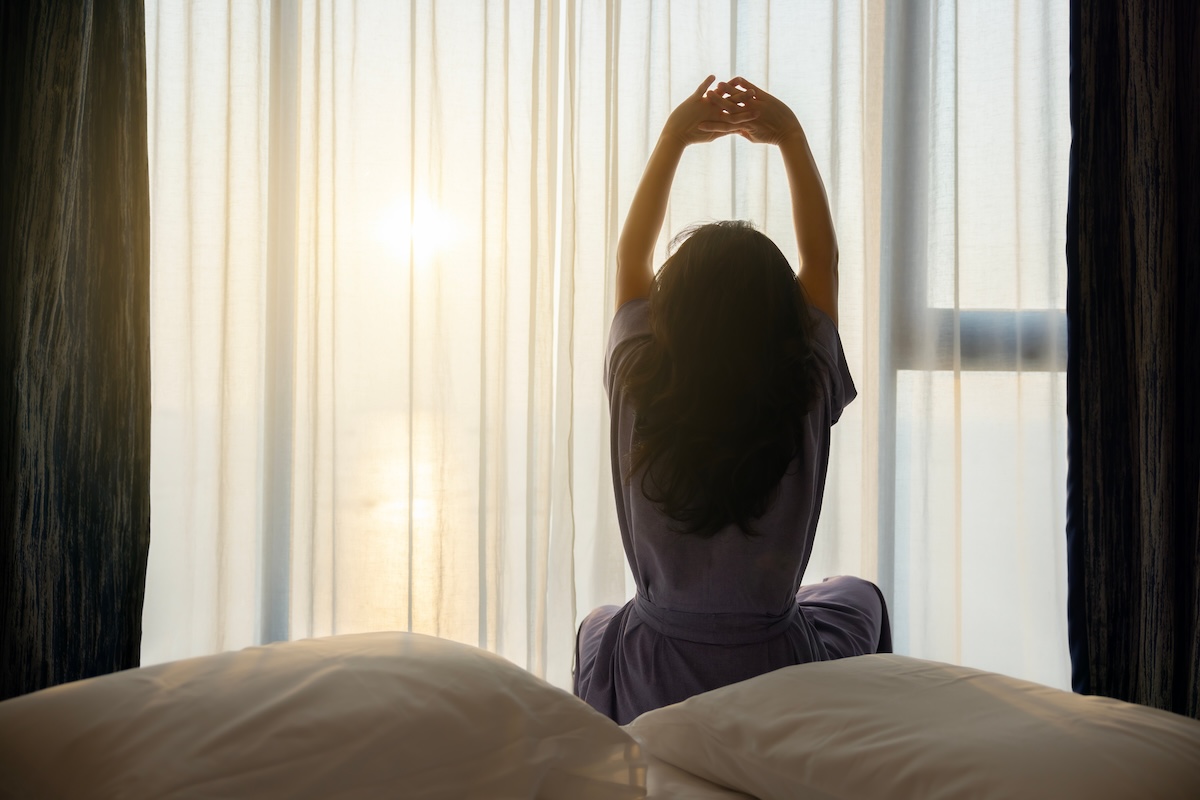
Changing clocks twice a year affects circadian rhythms
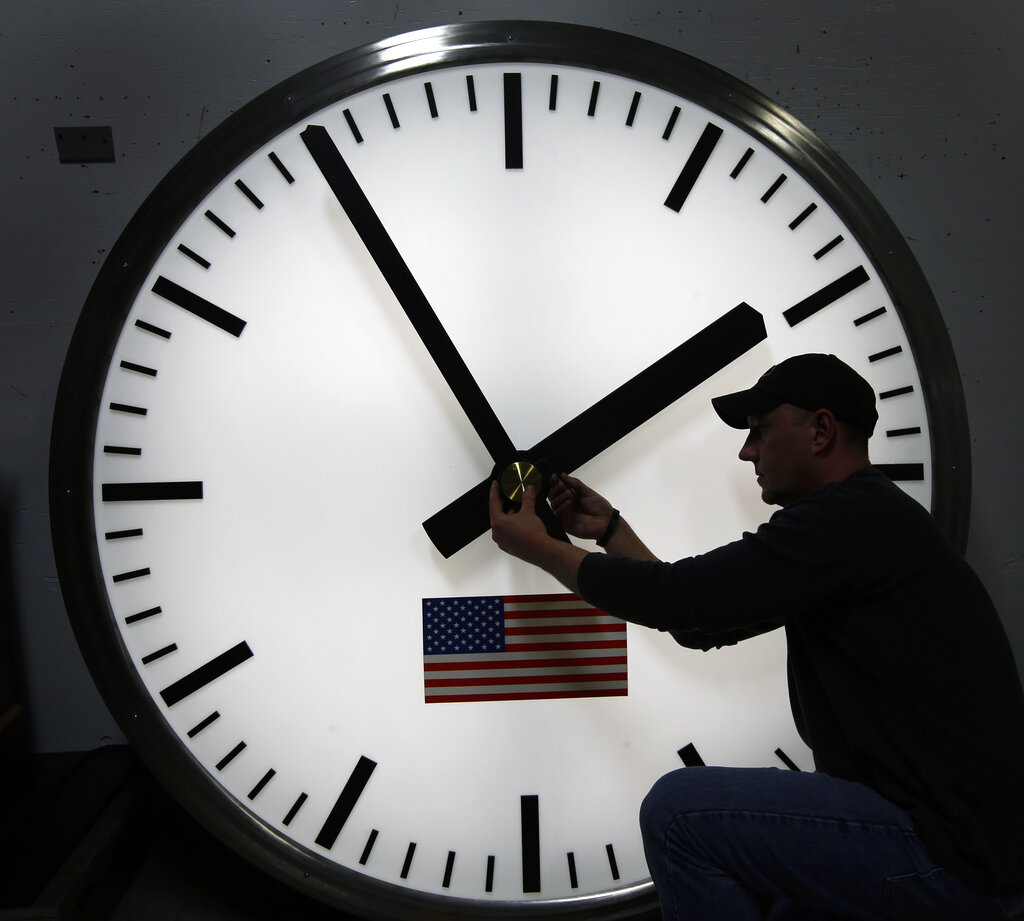
The U.S. in 1966 codified the current model of switching between standard time and daylight saving time. It aims to give people the best of both worlds — bright mornings in winter, sunny evenings in the summer. Under the current system, standard time runs from the first Sunday in Nov. to mid-March and daylight saving time kicks in the rest of the year.
But sleep experts warn that the current pattern comes with a cost.
Heart attacks, strokes, traffic accidents, workplace injuries, sleep loss and other cardiovascular events increase in the days after the time change, some research shows. Other studies have found no effect.
The negative effects are most pronounced in the spring, when the time change can cause people to lose an hour of sleep.
“The risk to any individual is small,” Jamie Zeitzer, professor and co-director of the Center for Sleep and Circadian Sciences at Stanford University, said via email. After all, there are many days when people wake up earlier than they would like to without major consequences. “But when 300+ million people do this on the same day, you can see the effect.”
Eliminating the switch would mean sacrificing sunny summer evenings or bright winter mornings.
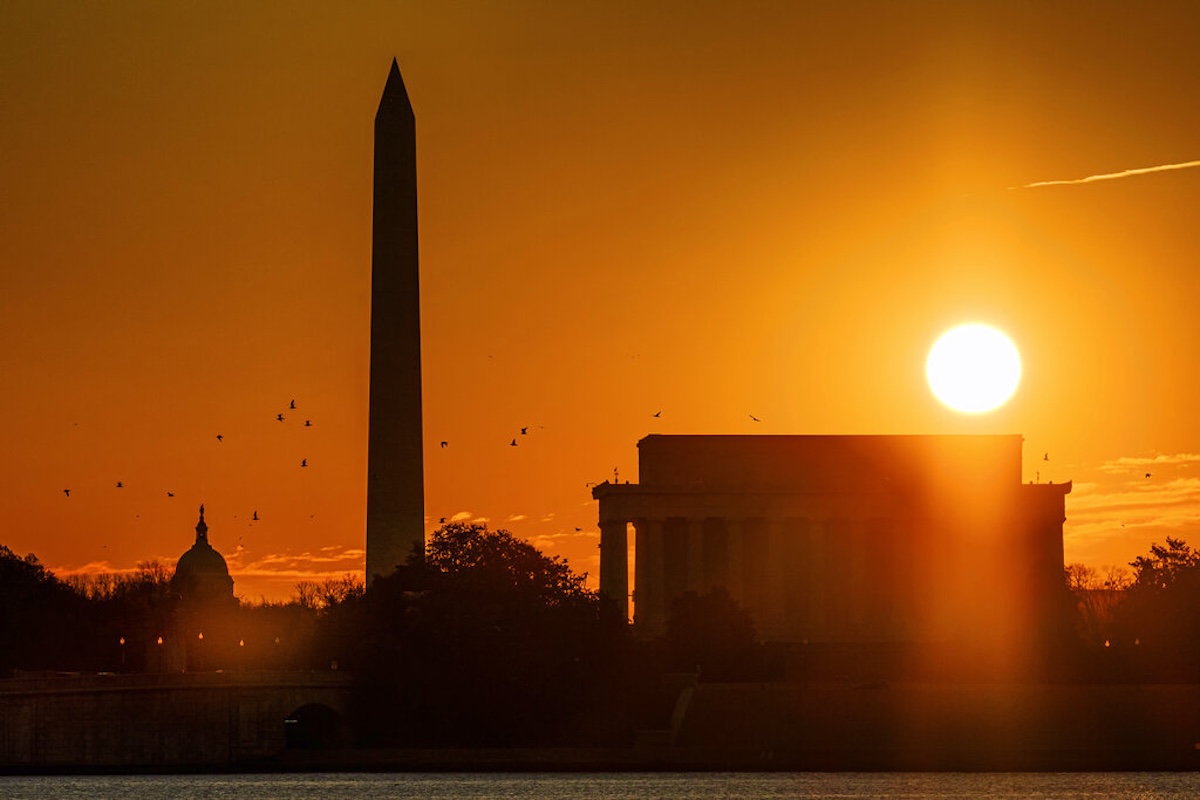
Why experts say permanent standard time is better for our health
Following standard time is the best way to sync the body’s internal clock with light from the sun, sleep experts say. Our bodies are designed to wake up to light in the morning, and our sleep patterns embrace having darkness in the evening.
“Bright light in the morning actually helps us fall asleep at night,” said Dr. Beth Malow, a neurologist and sleep researcher at Vanderbilt University. “It seems kind of paradoxical, but by resetting our clocks, we’re ready to go to sleep at night.”
Shifting to daylight saving time in those winter months would mean many Americans wouldn’t experience sunrises until after 8 a.m. Waking up in darkness leaves your body without the light signal it needs to start its daytime routine, whereas bright evenings suppress melatonin production and make it harder to fall asleep when bedtime arrives.
These circadian disruptions throw our hormones, appetite and mood out of whack, and could do damage over the long term.
It also leads to chronically less sleep, which is already linked to negative health outcomes, including dementia, heart disease, type 2 diabetes and some cancers.
Researchers found that within a given time zone, those who live further west and experience a later sunrise and sunset get less sleep and have worse health outcomes than people on the eastern side of the time zone.
Hawaii, Arizona, and other U.S. territories like Puerto Rico and Guam have already shifted to year-round standard time.

If it’s bad for human health, why do people want it?
The short answer is health is not all we care about.
Many industries centered around shopping, outdoor recreation and tourism love that extra summer hour of sunshine. We have memories and traditions associated with long summer days.
Yet the science points the other way.
“It would be wonderful if we could get to a point where we don’t look at these things as mutually exclusive. Like I have to choose between my health and making great memories or socializing with people I care about,” Dr. Shelgikar said. “Both can happen. And actually, if we are better rested and get the amount of sleep that we need, then maybe those things can become even more enjoyable.”
The last time the U.S. chose to move to permanent daylight saving, Congress scrapped the schedule within months amid popular outcry.
Our Sources
Email interview with Jamie Zeitzer, professor and co-director of the Center for Sleep and Circadian Sciences at Stanford University, July 16, 2026
Email interview with Dr. Phyllis C. Zee, director of the Northwestern Medicine Sleep Disorders Center, July 16, 2026
Interview with Dr. Anita Shelgikar, professor of neurology at the University of Michigan, July 16, 2026
Interview with Dr. Beth Malow, a neurologist and sleep researcher at Vanderbilt University, July 16, 2026
AP-NORC Center for Public Affairs Research, Few people support the daylight saving time system and more want year-round light in the evenings, October 30, 2025
Congress.gov, H.R.139 Sunshine Protection Act of 2025, accessed July 17, 2026
Gallup, Half want daylight saving time sunsetted, March 4, 2025
American Medical Association, AMA calls for permanent standard time, Nov. 15, 2022
Journal of Clinical Sleep Medicine, Permanent standard time is the optimal choice for health and safety, Jan. 1, 2024
National Sleep Foundation, Permanent Standard Time: A Position Statement from the National Sleep Foundation, accessed July 17, 2026
NPJ Biological Timing and Sleep, Endocrine regulation of circadian rhythms, March 8, 2025
American Heart Association, Circadian Rhythm, Clock Genes, and Hypertension: Recent Advances in Hypertension, Oct. 4, 2021
Metabolism, Circadian Regulation of Glucose, Lipid, and Energy Metabolism in Humans, July 1, 2019
UCLA Health, Circadian Rhythms – Sleep Medicine, accessed July 16, 2026
Nature, Circadian clocks in the digestive system, February 2, 2021
Nature, Circadian rhythm regulates the function of immune cells and participates in the development of tumors, April 27, 2024
Open Heart, Daylight savings time and myocardial infarction, 2014
American Academy of Neurology, Does Daylight Saving Time Increase Risk of Stroke?, Feb. 29, 2016
University of Colorado Boulder, Spring forward to daylight saving time brings surge in deadly crashes, Jan. 30, 2020
Journal of Safety Research, Daylight saving time and fatal crashes: The impact of changing light conditions, July 2025
American Psychological Association, Changing to Daylight Saving Time Cuts Into Sleep and Increases Workplace Injuries, 2009
MayoClinic Proceedings, Daylight Saving Time Practice and the Rate of Adverse Cardiovascular Events in the United States: A Probabilistic Assessment in a Large Nationwide Study, Feb. 2024
Sleep Medicine, Changes in atrial fibrillation admissions following daylight saving time transitions, Jan. 27, 2020
JAMA Network Open, Daylight Savings Time and Acute Myocardial Infarction | Cardiology, September 9, 2025
Journal of Environmental Public Health, Daylight Saving Time Transitions and Road Traffic Accidents – PMC No effect, June 27, 2010
The Conversation, Trump wants to make daylight saving time permanent – but some fear the move would be a nightmare, July 15, 2026
Hopkins Medicine, Health Risks of Poor Sleep, accessed July 16, 2026
Harvard Medical School, Why Sleep Matters: Consequences of Sleep Deficiency, Oct. 1, 2021
Journal of Health Economics, Sunset time and the economic effects of social jetlag: evidence from US time zone borders, May 2019
National Institute of General Medical Sciences, Circadian Rhythms, Sept. 2023
PLOS Computational Biology, Measurable health effects associated with the daylight saving time shift, June 8, 2020
Journal of Clinical Sleep Medicine, Adverse Effects of Daylight Saving Time on Adolescents, August 15, 2015
Cleveland Clinic, Circadian Rhythm, March 15, 2024
Proceedings of the National Academy of Sciences, Circadian-informed modeling predicts regional variation in obesity and stroke outcomes under different permanent US time policies, Sept. 15, 2025
Journal of Clinical Sleep Medicine, Debunking myths about daylight saving time: ten things everyone should know about the benefits of permanent standard time, Sept. 1, 2023
Sleep, It is time to abolish the clock change and adopt permanent standard time in the United States, Sept. 2022
Stanford Medicine, Study suggests most Americans would be healthier without daylight saving time, Sept. 15, 2025
Northwestern Medicine, Daylight savings time your health, December 3, 2024
YouGov, The times they are a-changin’ — but most Americans would rather they not, March 4, 2026
United States Studies Centre, Daylight savers or night wasters? The case against permanent daylight saving time in the United States, March 8, 2024
NBC News, House passes Trump-backed bill that would make daylight saving time permanent, July 15, 2026
Johns Hopkins Bloomberg School of Public Health, 7 Things to Know About Daylight Saving Time, March 9, 2023
MDPI, Daylight Saving Time and Acute Myocardial Infarction: A Meta-Analysis, March 23, 2019
Sleep Medicine, Changes in ischemic stroke occurrence following daylight saving time transitions, Dec. 2016
Brain, Behavior and Immunity, Influence of sleep deprivation and circadian misalignment on cortisol, inflammatory markers, and cytokine balance, July 2015
Newsweek, Daylight saving vs Standard Time compared: pros and cons for each, July 15, 2026
Stanford University, Sleep Corner: Circadian Rhythms and Routines: Cultivate Consistency for Improved Mental Health, accessed July 16, 2026
New York Times, Senate Votes Return to Standard Time For Four Months and Sends Bill to Ford – The New York Times, Oct. 1, 1974
Cornell University, Peter Pan and Wendy _ by J. M. Barrie, accessed July 21, 2026
YouTube, Crocodile Song – Peter Pan, Feb. 16, 2023
Stanford Medicine, How Sleep Deprivation Affects Your Metabolic Health, Aug. 12, 2024
American Heart Association, Hypertension: Causes and Consequences of Circadian Rhythms in Blood Pressure, March 14, 2024
Johns Hopkins Medicine, Lack of Sleep and Cancer: Is There a Connection?, accessed Jul 21, 2026
The University of Chicago, How sleep affects human health, explained, Oct. 2024
Centers for Disease Control and Prevention, About Sleep and Your Heart Health, May 15, 2024
University of Michigan, Tick tock tock tock: Consequences of a disrupted circadian rhythm, Dec. 5, 2025