Fact-checking Roger Marshall, Adam Hamilton on diesel prices, SNAP in Kansas U.S. Senate debate
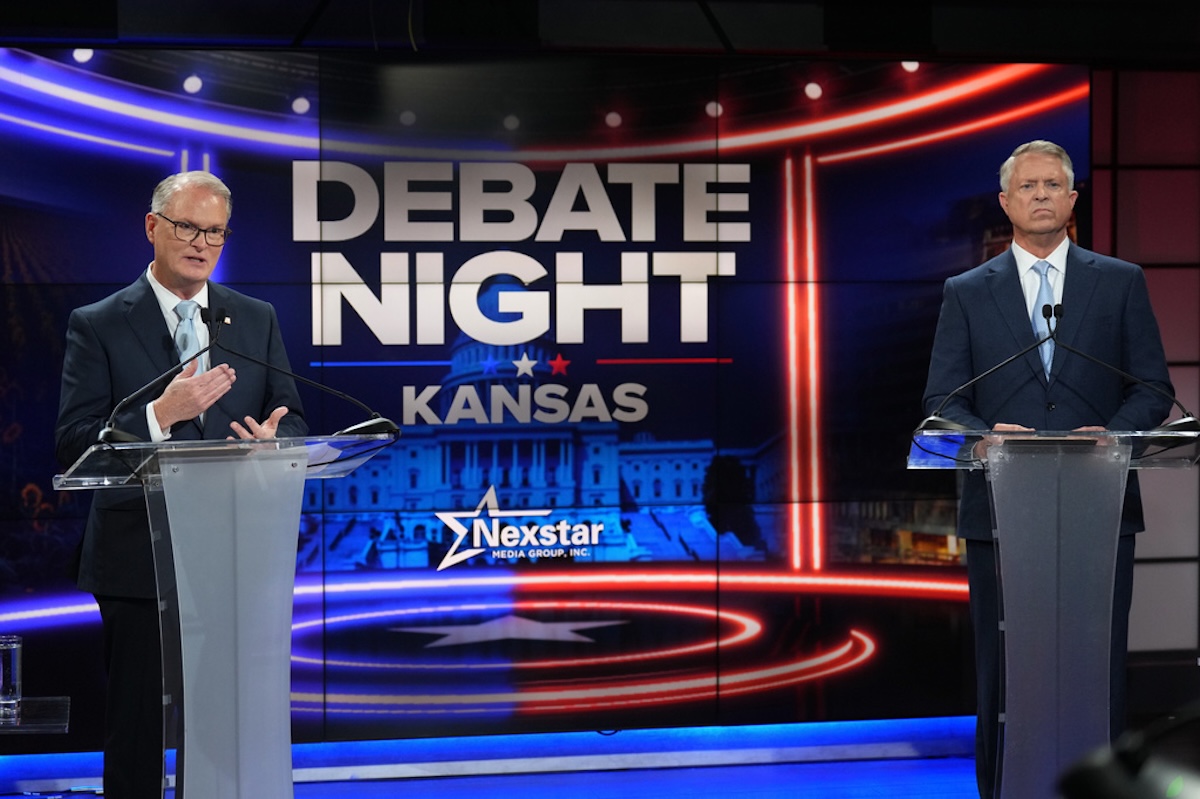



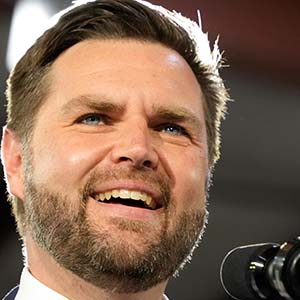
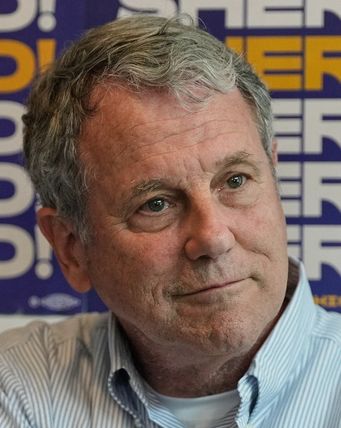
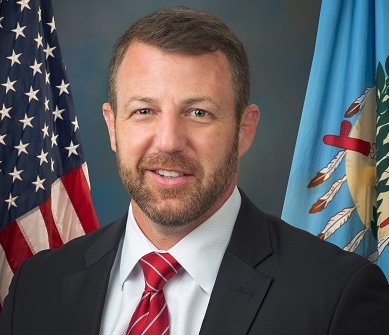
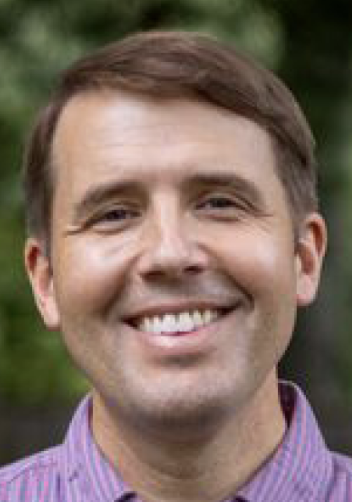
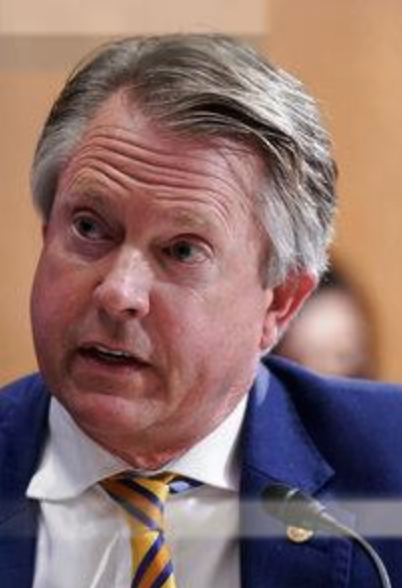
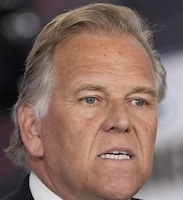
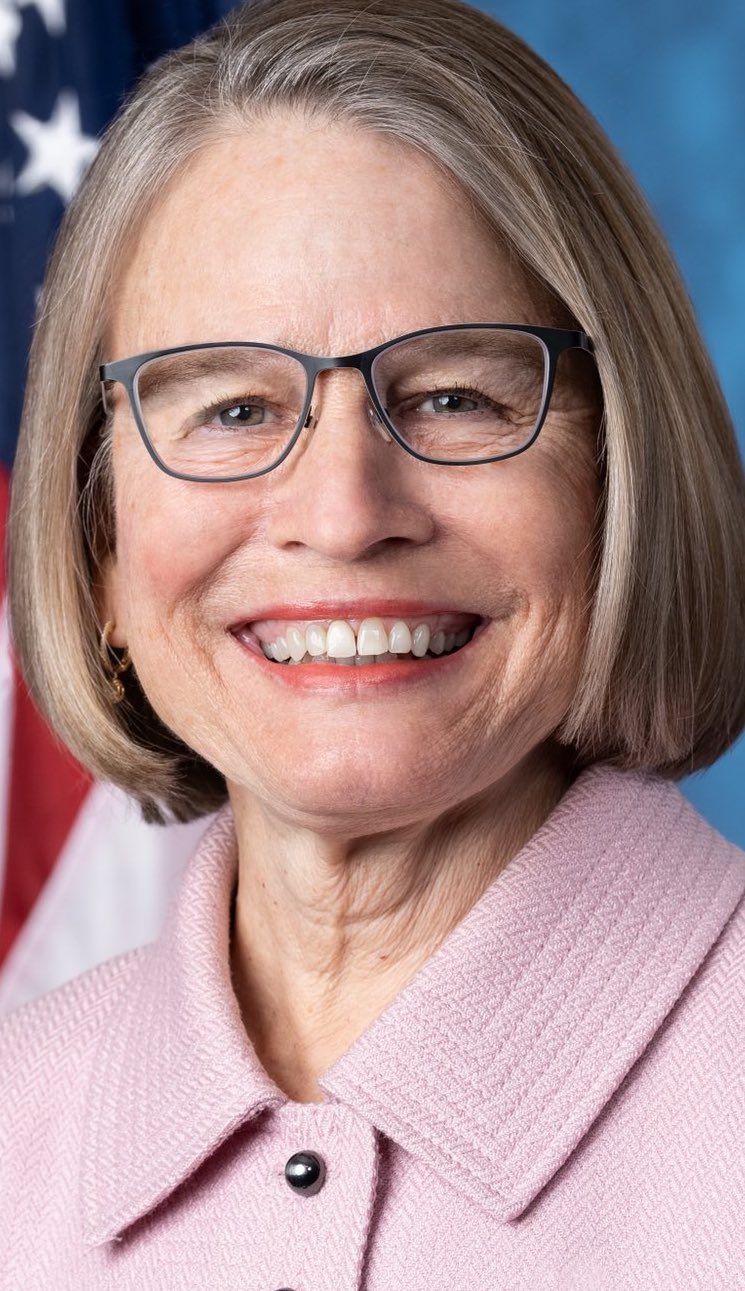
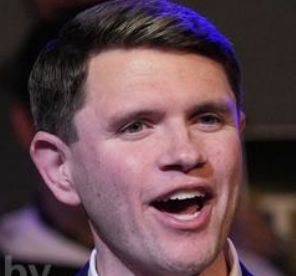
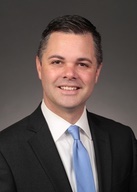
In a Senate race that unexpectedly ranks among the nation’s hottest, Republican Sen. Roger Marshall debated his Democratic challenger, pastor Adam Hamilton, with each trying to tie the other to their parties’ most partisan factions.
Marshall cited Senate Minority Leader Chuck Schumer, D-N.Y., by name 19 times, saying that losing Republican control of the Senate would mean Democrats would use their newfound power to “create open borders,” amounting to “a threat to our republic.”
Hamilton argued that President Donald Trump’s policies, including starting the Iran war and imposing tariffs, had raised diesel fuel prices and hampered international trade — key elements for the Kansas economy.
The debate was hosted by WDAF-TV in Kansas City, Missouri.
Here are fact-checks of some of the candidates’ claims.
Marshall: “The real problem with the cost of diesel, in particular, is, No. 1, the Ukraine war, and because of that, diesel production has gone down.”
Hamilton, when it was his turn to respond: “Nobody believes that. This happened in response to the war in Iran that didn’t need to happen.”
The candidates sparred over the causes of the current high cost of diesel fuel — especially important in a state like Kansas, where agriculture plays a significant role in the economy.
Both Marshall and Hamilton have a point.
In the U.S., diesel prices soared from $3.81 per gallon on the eve of the Iran war to $6.29 on Oct. 21. What kicked this price rise into high gear in recent months, experts told PolitiFact, is declining Russian production caused by Ukraine’s attacks on oil infrastructure as it tries to fight off the invasion Russia launched in 2022.
Ukrainian’s successful attacks have left a hole in the world’s diesel supply. And even though the U.S. implemented an embargo on Russian diesel in 2022, the price for U.S. customers depends on the global price. That means farmers and truckers here feel the pinch from lower diesel output in Russia, too.
But Hamilton’s also correct that the Iran war made matters worse.
Persian Gulf countries such as Saudi Arabia that refine crude oil have been hampered by Iran’s attempt to squeeze the Strait of Hormuz, and also by Iranian counter-attacks on U.S. allies in the region since the war began Feb. 28. Had the Russian oil infrastructure problems occurred on their own — without the added complication of the Iran war — those Persian Gulf nations would have been able to fill some of the gap in diesel production, Patrick De Haan, head of petroleum analysis for the gasoline price tracker GasBuddy, told PolitiFact this week.
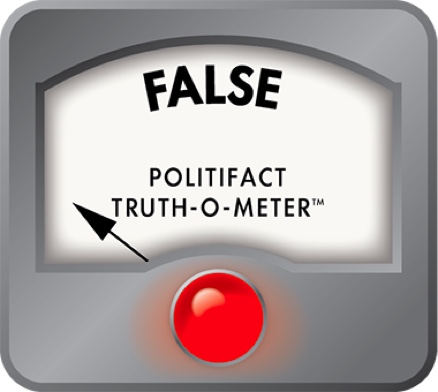
Marshall: “Last year, Kansas had in the third quarter the leading GDP in the country of over 6%.”
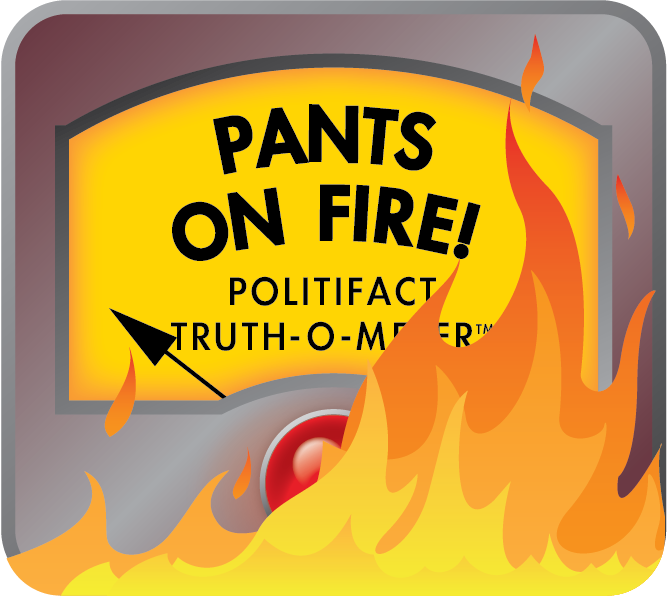
Marshall’s statistic on gross domestic product, which is the sum of a state’s economic activity, is misleading, according to official state-by-state data from the U.S. Commerce Department.
In the third quarter of 2025, Kansas saw annualized, year-over-year growth in gross domestic product of 4.7%. That’s a strong showing, but not over 6%, and not first among the 50 states.
That quarter, California ranked first with 11.4% growth, followed by Rhode Island, New Hampshire, Nebraska, Idaho, Delaware, New York, Tennessee and Nevada. Kansas came next, at 10th nationally.
Generally, state GDP growth figures fluctuate a lot from quarter to quarter, so choosing one amounts to cherry picking. By choosing the quarter he did, Marshall was ignoring three more recent quarterly numbers, each with growth lower than the one he cited.
Since the start of 2025, Kansas has experienced some hot quarters (8.3% growth in the second quarter of 2025), some cold ones (6.3% decrease in the first quarter of 2025) and some so-so ones (growth of 1.8% in the fourth quarter of 2025).
In the most recent quarter — the second quarter of 2026 — Kansas saw its GDP shrink by 0.6%.
Hamilton: “I have never advocated for amnesty.”
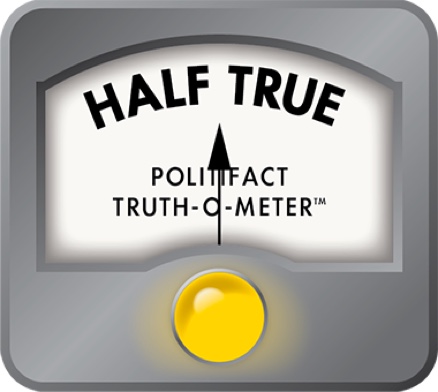
This needs context.
Hamilton was responding to Marshall saying, “My opponent has always supported amnesty and giving illegal immigrants benefits, welfare benefits.”
The term “amnesty” has no legal definition in immigration policy. It’s often interpreted as any policy waiving punishments for immigration violations, but it’s also sometimes understood as a widespread granting of citizenship to people in the country illegally.
We found no instance in which Hamilton called for across-the-board legalization of immigrants in the country illegally.
On the agriculture portion of his campaign agenda, his website references giving a “path to legal status” to farm workers. He calls on Congress to “reform the broken H-2A guest-worker program — permitting year-round visas that reflect modern needs, lowering compliance costs, and giving existing workers a path to legal status.” That temporary visa program is used by farmers.
In a questionnaire by the Johnson County Post published earlier this month, Hamilton wrote, “I’m not for open borders, and dangerous criminals don’t belong here.” He also wrote that ICE’s operations caused chaos for families, communities and businesses.
During a September debate at the Kansas State Fair, Hamilton called immigration under former President Joe Biden and President Donald Trump a “disaster.” During the Oct. 21 debate, he repeated his talking point about Biden border policies being a “disaster.”
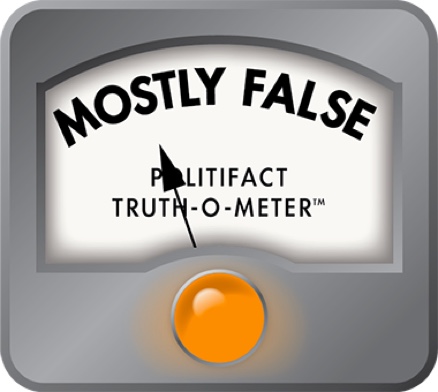
Marshall: “We’ve increased the spending on food stamps from $80 billion a year … to $150 billion a year.”
That’s exaggerated.
In fiscal year 2025, the Supplemental Nutrition Assistance Program, sometimes referred to as food stamps, spent $101.7 billion with benefits averaging $187.94 per participant per month, according to the U.S. Department of Agriculture.
Spending on the program was higher from 2021 to 2023 as the country recovered from the COVID-19 pandemic, but it never reached $150 billion. Marshall is correct that SNAP spending was previously around $80 billion; we found close to that amount in 2019.
We asked Marshall’s spokespersons for the source of his figure and did not receive an immediate reply.
The Center for Budget and Policy Priorities estimated that SNAP participation nationwide fell in the year after the July 2025 enactment of the One Big Beautiful Bill Act, which changed work requirements for participants. The total drop came to more than 5 million people, nearly 13% nationally by June 2026, based on USDA data. In Kansas, participation fell by about 25,000, or 13.5%.
Hamilton: “More than 36,000 people have lost health insurance in the state of Kansas. We think today, closer to 50,000 people.”
Hamilton’s wording is a little hard to follow, but if anything, he understated the numbers.
KFF, a healthcare policy think tank, tracks state-by-state data for healthcare coverage losses for both policies purchased on Affordable Care Act marketplaces and Medicaid.
Both programs have seen participation decline either because of changes enacted by the One Big Beautiful Bill Act, Trump’s signature spending and tax bill from 2025, or because of the loss of enhanced subsidies on policies purchased from the ACA marketplace.
In 2021, then-President Joe Biden signed legislation that made the subsidies more generous; those enhanced subsidies expired at the end of 2025 after the Republican-controlled Congress did not extend them.
Between 2025 and 2026, KFF estimated, marketplace enrollment fell by 36,040 in Kansas, while Medicaid enrollment in the state dropped by 25,736 over a similar period. Combined, those two declines add up to 61,776 — larger than the 50,000 figure Hamilton cited in the debate.
PolitiFact researcher Caryn Baird contributed to this article.
RELATED: Live fact-checking the midterms
Our Sources
Sources linked in story.