AI data centers, explained: Why do tech companies request NDAs? What’s a moratorium?
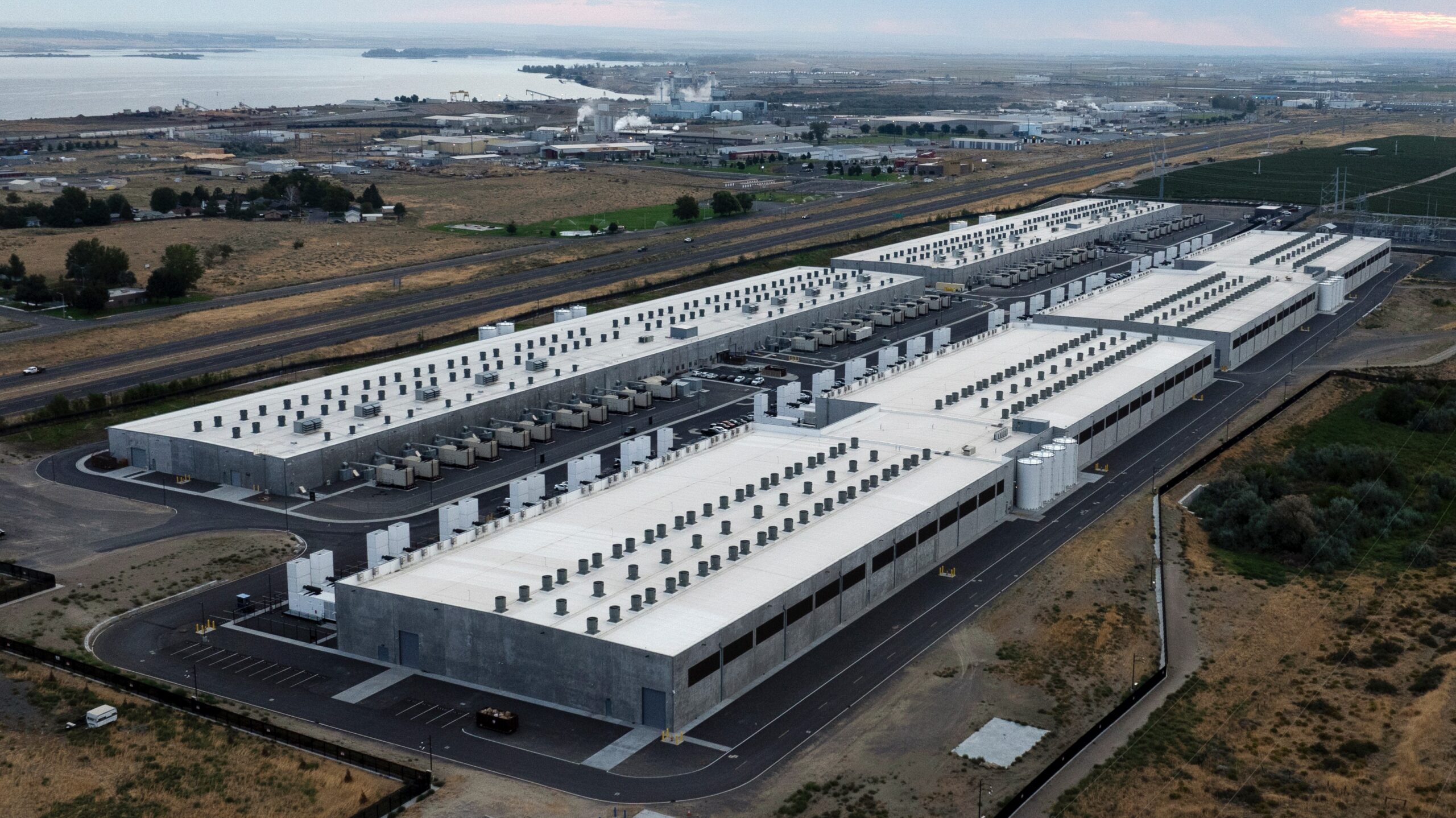

After the city of Salem, Oregon, announced this summer that a data center could soon open in the area, residents crammed into a council meeting to air their grievances.
For more than a year, city officials had been meeting privately with a California-based tech company, Verrus, to discuss the proposed project, which many of the residents who spoke up that day in July opposed. One called a nondisclosure agreement between Salem and Verrus a “definitive blow to our trust.” Others worried that the data center would hum nonstop, harming the health of humans and animals alike. Residents couldn’t afford energy prices to spike, someone else said.
Among the blindsided citizens: Salem council member Vanessa Nordyke, who said she didn’t know about the NDA with Verrus until that month.
The city manager signed the NDA with Verrus, a data center technology and development company, in March 2025. The company then worked with city staff to review the potential site’s feasibility, utility capacity, environmental factors and other considerations. It wasn’t until a couple of months ago that Verrus, now ready for the next phase, allowed Salem to publicly share information about its plans. Verrus submitted a land use application late July.
As people increasingly use artificial intelligence for daily online activities, data center demand has grown to house the thousands of computers and other equipment that facilitate those tasks.
Whether to build those data centers, and how political candidates would protect residents from electricity rate hikes and other pitfalls, has become one of the most contentious issues in the midterm election cycle.
PolitiFact previously explained how data centers operate and AI’s role in their development. Now, we’re exploring who decides whether a data center can open, why some cities are signing NDAs and others are choosing to pause projects already underway.
@politifact What are data centers and why is everyone talking about them? Data centers power almost all of our online activity. They’ve sparked fierce debates around the U.S. as the AI industry grows and plans to build more of them. Supporters say they will create jobs and tax revenues, while opponents say they will drain local water and hike up electric bills. At PolitiFact, we understand that sometimes you just want the facts. So in our new series, we’re breaking down what to know about data centers — what they do, how they operate and what it means if one opens near you. #datacenters #ai #politics #facts
Who decides if a data center can open?
Local government officials generally make the final decision on whether a new data center can open in a community. People who live near that location often don’t know about the proposed project until later because local governments regularly sign broad nondisclosure agreements that conceal preliminary information about the project’s costs, including potential tax breaks, zoning and land use, and utility use. The NDA may even prevent officials from acknowledging that an NDA exists.
The government parties involved in the NDAs vary, but can include an elected county leader, a city lawyer or economic development official, said Eric Bonds, a University of Mary Washington sociology associate professor.
In Louisiana, for example, where Meta is building one of the largest AI data centers in the world, Meta and Louisiana’s largest energy company used NDAs with the governor, state and local officials to avoid opposition and to speed up the approval process, according to The New York Times. They worked on the deal over nine months, and community members didn’t learn about it until it was finalized, the Times said.
Elsewhere, Amazon, Google and xAI have signed NDAs with local governments for proposed and operational data center projects in Virginia, Arizona, and Tennessee.
@politifact AI data centers can be… kinda needy. The computers in these centers need lots of electricity to run constantly. They also need fresh water from local systems to keep the equipment from overheating. A typical AI data center can consume as much electricity annually as 100,000 households. The largest data centers under construction will demand 20 times that amount. Why do data centers for AI need so much more energy? Follow our page for the next video diving into that question. datacenters ai electricity watersupply
Why companies request NDAs and why some experts think it’s problematic
Without NDAs, competitive tech companies may be hesitant to share proprietary information with localities and other third parties when looking for where to build a data center, said Jon Hukill, vice president of communications for the Data Center Coalition, a membership association that advocates for the data center industry.
Like in Louisiana, companies are also likely using NDAs to avoid detractors amid “relatively high community opposition to data centers,” said Hannah Wiseman, a Penn State University law professor who teaches about energy and environmental law. She pointed to a summer survey from the University of Pennsylvania’s Annenberg Public Policy Center, which found that a majority of the 1,320 people polled somewhat or strongly opposed the construction of a new data center in their area.
Some NDAs require local governments to find legal ways to block public record requests about the project, forcing the people pursuing that information to go to court to defend their request, said David Cuillier, director of the Joseph L. Brechner Freedom of Information Project at the University of Florida.
“They muzzle local officials, preventing them from speaking out to their constituents,” said Cuillier, who believes locals should have a say in whether a data center opens near them.
NDAs “may be used to improperly and even illegally prevent disclosure of information mandated by (Freedom of Information Act) and open records laws,” said Bonds, who studies data center development and AI’s environmental effects.
He experienced this kind of stonewalling as he and a co-author tried to pin down how common NDAs are between local governments and data center companies. Of the 31 Virginia localities they contacted in 2024 and last year, 25 reported having such agreements.
And they obtained full information about data centers’ water use in two Virginia counties after filing FOIA requests and threatening legal action.
If a land zone in Virginia is classified as a “technology district,” Bonds said, a data center can typically move into that area, without public input, unless the city or county explicitly exempt data center development. But how much sway a community has in data center construction proposals can vary.
On Aug. 18, Pennsylvania Gov. Josh Shapiro, a Democrat, signed an executive order to ban the use of NDAs for data center development.
And so did Salem City Council members on Sept. 14. The following week, the city also approved a four-month pause on the development and construction of data centers across the city. That means that, for now, Verrus cannot break ground on its project.
@politifact If we use data centers for almost every kind of online activity, why are so many conversations about them focused on AI? Experts told us AI has changed the scale of computing. Training a large AI model can involve thousands of computers working together for a long time. And if everybody is sending requests to AI chatbots expecting a fast response, it requires much more computing power from data centers. This is one part of our series breaking down the facts about data centers. Head to our page to learn more. datacenters ai energy computing
Why are local governments proposing moratoriums?
In most cases, moratoriums pause approvals, expansions or the issuance of building permits for new data center projects. They don’t necessarily stop ongoing negotiations between governments and companies, and they don’t nullify existing NDAs, Wiseman said.
Texas, New York and multiple counties in Florida have approved yearlong moratoriums so that local governments can evaluate how these facilities’ will affect their communities. Other states are considering their own pauses.
Meanwhile, at least 300 cities, towns and counties have paused data center approvals until county officials or state agencies determine how much power and water they will use, what cooling systems will be in place and whether the tech companies are receiving tax breaks.
In some cases, some municipalities are evaluating electrical grids to determine whether they can sustain the demand from new centers, or if they need upgrades. A typical AI data center can consume as much electricity annually as 100,000 households. The largest data centers now under construction will demand 20 times that amount, the International Energy Agency estimated.
Bonds said these moratoriums could help governments craft policies that balance quality of life, environmental protection, and industrial development.
“And help local officials understand,” he said, “at what point enough is enough and data center development is no longer desirable.”
PolitiFact Researcher Caryn Baird contributed to this report.
RELATED: Did you know most of your daily online activities rely on data centers? Here’s how it works
Our Sources
The Oregonian, Salem residents rage against proposed data center and city NDA that kept plans secret, July 28, 2026
Jasmine Sun’s Substack, no data centers in my backyard, Aug. 3, 2026
Perfect Union’s Instagram post, July 24, 2026
Facebook post, March 18, 2026
Facebook post, July 31, 2026
Facebook post, accessed Aug. 4, 2026
TikTok post, June 3, 2026
TikTok post, July 24, 2026
X post, June 3, 2026
Abdul El-Sayed’s Facebook post, Aug. 1, 2026
Wisconsin Public Radio, Superior joins growing number of Wisconsin communities to pass data center moratorium, June 17, 2026
New York State, First Statewide Moratorium on New Hyperscale Data Centers Launched by Governor Kathy Hochul, July 14, 2026
IBM, What is hyperscale?, accessed Aug. 4, 2026
Cornell Law School, non-disclosure agreement (NDA), accessed Aug. 4, 2026
NBC News, How NDAs keep AI data center details hidden from Americans, Oct. 28, 2025
Virginia Mercury, Data centers, non-disclosure agreements and democracy, April 30, 2025
WWL Louisiana, Louisiana’s use of NDAs in AI data center push raises questions over transparency, July 27, 2026
Louisiana Economic Development, Meta Commits More Than $50 Billion for North Louisiana Project, Becoming One of the Largest Data Centers in History, July 13, 2026
The New York Times, 5 Things to Know About Meta’s Giant Data Center in Louisiana, July 27, 2026
The New York Times, How Meta Got Everything It Wanted in a Secret Louisiana Data Center Deal, July 27, 2026
Public Citizen, The Secret Data Center Buildout, July 8, 2026
MPR News, No to NDAs? Proposals demanding more data center transparency gain bipartisan support, March 18, 2026
Tucson Spotlight, Secrecy around Project Blue prompts calls for NDA limits, Aug. 28, 2025
Forbes, How Elon Musk Muzzled Government Employees From Talking About xAI’s New Supercomputer, Oct. 11, 2024
Louisiana State Legislature, HB461, accessed Aug. 4, 2026
Inside Climate News, Alabama Data Center Non-Disclosure Agreement Required City Officials to Destroy Records, Document Shows, July 13, 2026
SELC.ORG, City of Besser’s NDA with Logistic Land Investment, LLC, June 18, 2026
Microsoft, Putting communities first: Our decision to end NDAs with local governments, accessed Aug. 4, 2026
Cornell Law School, moratorium, accessed Aug. 4, 2026
Oil & Gas Watch, Growing use of secrecy agreements between developers and local governments troubles advocates of open government, Feb. 26, 2026
Florida Executive office of the Governor, Governor Ron DeSantis Signs Law to Protect Floridians from Subsidizing Data Centers, May 7, 2026
The Florida Senate, CS/CS/SB 484: Data Centers, accessed Aug. 4, 2026
USGS, Consumptive water use, accessed Aug. 4, 2026
FOX13 Tampa Bay, Florida data center freeze: Pasco County joins regional moratoriums on tech growth, July 15, 2026
Tampa Bay 28, Lakeland officials pass 1-year data center moratorium, Aug. 3, 2026
Bradenton Herald, AI data centers in Manatee County? Commissioners look to block them for now, July 28, 2026
Politico, Pennsylvania’s GOP candidate for governor calls for data center moratorium, June 2, 2026
NOLA.com, Some Louisiana lawmakers backing out of NDAs as questions arise over data centers, other deals, July 29, 2026
Bernie Sanders, NEWS: Sanders, Ocasio-Cortez Announce AI Data Center Moratorium Act, March 25, 2026
Congress.gov, S.4214 – Artificial Intelligence Data Center Moratorium Act, accessed Aug. 4, 2026
Brookings, Data center moratoriums are not a substitute for oversight, July 28, 2026
NCSL, Which States Are Banning Data Centers?, Sept. 15, 2026
Politico, Data centers’ NDA problem, Sept. 3, 2026
14News, Amidst data center concerns, Posey Co. commissioners reveal they’ve signed an NDA, July 21, 2026
NPR, NDAs are hiding data center deals, drawing ire from locals — and attention from lawmakers, Aug. 27, 2026
KSWO, Oklahoma lawmaker files bill to ban NDAs for public officials, Jan. 13, 2026
Louisville Public Media, Neighbors to Kentucky hyperscale data centers demand transparency, Aug. 24, 2026
OPB, Oregon Gov. Kotek stops state from selling land for Salem data center, July 30, 2026
WRIC, ‘We’re in a cave with the lights out’: Petersburg leaders call for more transparency as data center plans advance, July 27, 2026
The Center Square, Big money, enforced silence play roles in Pennsylvania’s data center push, June 23, 2026
NewsData, Oregon Governor Terminates Land Sale for $5 Billion Data Center Project, Aug. 4, 2026
Interconnected Capital LLC, US Data Center Moratorium Tracker, accessed Sept. 18, 2026
Michigan Legislature, House Bill 6140 of 2026, accessed Sept. 18, 2026
Oklahoma State Legislature, HB 2992 by Boles and Green, accessed Sept. 18, 2026
The Ohio Legislature, House Bill 695, accessed Sept. 18, 2026
Capital Community Media, Salem City Council Meeting – July 27, 2026, July 27, 2026
Capital Community Media, City of Salem Council Meeting – September 14 , 2026, Sept. 14, 2026
City of Salem, CITY OF SALEM Meeting Agenda City Council, July 27, 2026
City of Salem, Topics of Interest: Verrus’ Mill Creek Data Center Project, accessed Sept. 25, 2026
WWNO, Gov. Jeff Landry personally signed an NDA with Meta. Here’s what it says., July 24, 2026
PolitiFact, Did you know most of your daily online activities rely on data centers? Here’s how it works, Aug. 17, 2026
Data Center Coalition, accessed Sept. 25, 2026
Annenberg Public Policy Center, Opposition to Local Data Centers Rises Sharply, Annenberg Survey Finds, accessed Sept. 25, 2026
Commonwealth of Pennsylvania Governor’s Office, Executive Order 2026-05 – Protecting Pennsylvania Consumers from Data Center Impacts, Aug. 18, 2026
Salem Statesman Journal, Salem City Council bans NDAs, gets update on data center moratorium, Sept. 17, 2026
KPTV Fox 12 Oregon, Salem pauses data center projects for 4 months, Sept. 22, 2026
IEA, Executive summary, accessed Sept. 25, 2026
Email interview with Eric Bonds, an associate professor of Sociology at the University of Mary Washington, Aug. 4-5 and Sept. 17, 2026
Email interview with Hannah Wiseman, a law professor at Penn State University, Aug. 4, 2026 AND Sept. 24, 2026
Email interview with Jon Hukill, Data Center Coalition’s vice president of communications, Aug. 19, 2026
Email interview with David Cuillier, director of the Brechner Freedom of Information Project at the University of Florida, Sept. 16, 2026